Why history books often stretch a century to 125 years
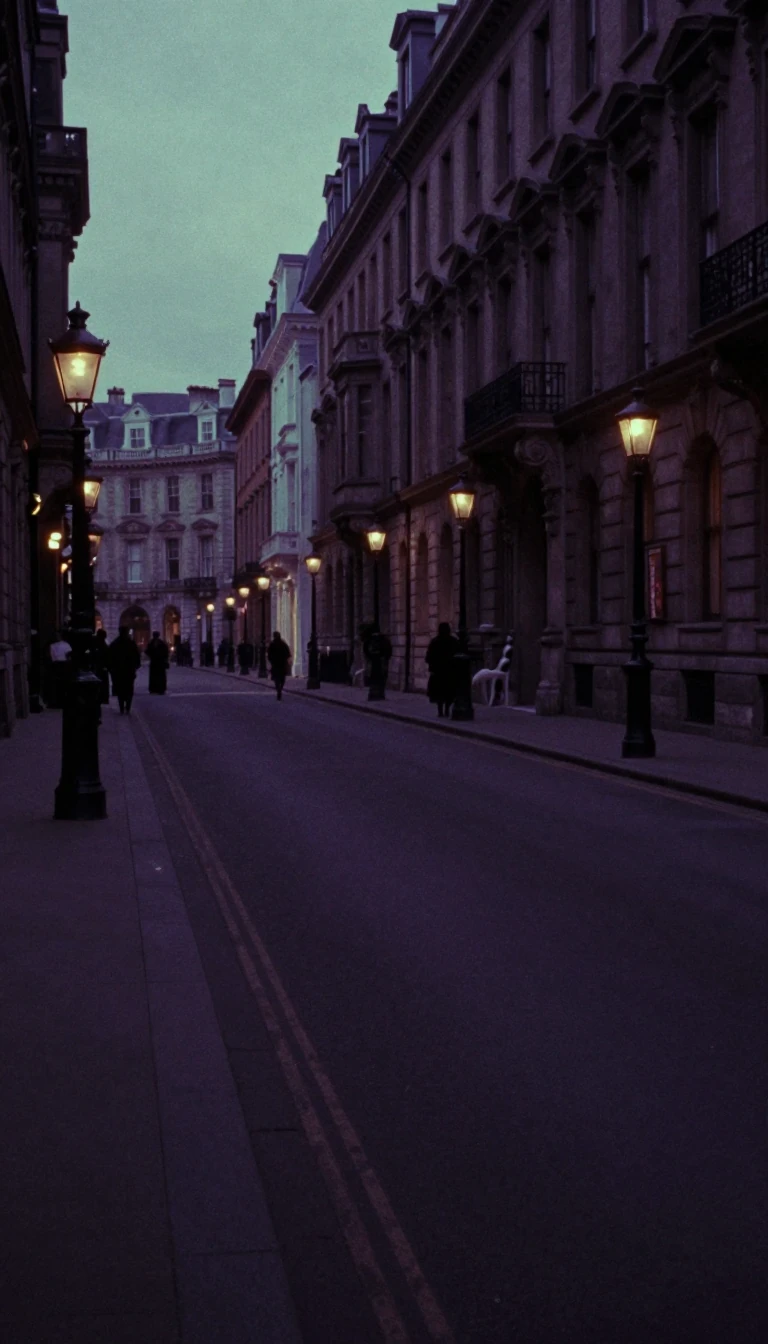
In short: The 19th century didn't just happen between 1800 and 1900. To historians, this era is a sprawling 125-year arc of transformation. By stretching the timeline, scholars can capture the true momentum of the revolutions and industrial shifts that fundamentally rebuilt the modern world.
The concept of the 'long nineteenth century' is a recognized category of literary history used to group vast societal shifts into a single analytical framework. While the standard century spans 100 years, this expanded view typically begins with the French Revolution in 1789 and concludes with the outbreak of World War I in 1914. The term was first coined by Soviet writer Ilya Ehrenburg and later gained significant academic prominence through the work of British historian Eric Hobsbawm.
Hobsbawm’s specific framing relies on two 'dual revolutions' as the starting point: the Industrial Revolution, which drove technological and societal upheaval, and the French Revolution, which championed universal and egalitarian citizenship. He divided this era into three distinct ages: the Age of Revolution (1789–1848), the Age of Capital (1848–1875), and the Age of Empire (1875–1914). This structure allows historians to track the evolution of global markets, power balances, and cultural identities more fluidly than a rigid century allows.
The definition of the period varies depending on the discipline. For example, in the context of the Catholic Church, the 'long 19th century' is even broader, spanning from 1789 until the death of Pope Pius XII in 1958. This version focuses on the centralization of papal power against rising nation-states. Other scholars, such as Peter Stearns, use a generalized version spanning from 1750 to 1914 to study world history. These varying boundaries demonstrate that 'long' centuries are tools for connecting broader audiences to the underlying mechanisms of modernity.
This interdisciplinary approach is now a staple of modern research, connecting history with literature, fashion, architecture, and the arts. By studying the period from the early Romantic era to the onset of the First World War, researchers can better understand the enduring legacies of the first industrial cities and the global networks they created.
Opens the Intellect+ feed with this card first. Swipe up for the next one.
Sources
- Summary by Intellect · source: Long nineteenth century
- Also: long19thcentury.mmu.ac.uk — The Long Nineteenth Century Network - The Long 19th Century Network
To cite this card, link to https://intellectplus.co.uk/app/history-long-nineteenth-century.
How we source, check and correct cards: Editorial standards.
General information, not professional advice. Spotted an error? Flag the card or see corrections and complaints.
Intellect Plus is a visual educational discovery platform for exploring fascinating facts and ideas. Brain Food, Not Brain Rot. What is Intellect Plus?
Related
More in 19th century · More in History · Latest · A–Z · All topics
