Did a pirate discover the Falkland Islands while hunting for Spanish gold?
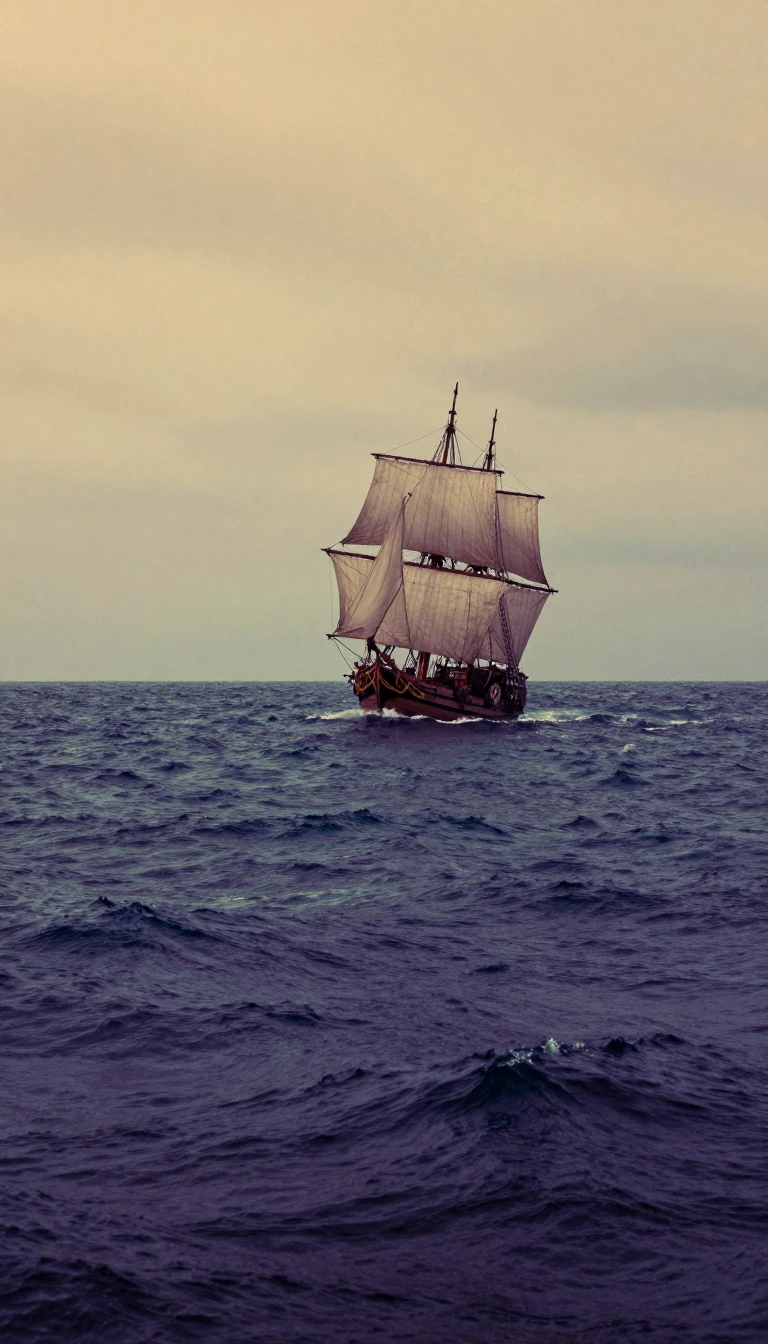
In short: Richard Hawkins was a quintessential Elizabethan privateer, sailing the Dainty to plunder Spanish possessions. Yet, he insisted his 1593 expedition was purely for geographical discovery. Along the way, he stumbled upon a mysterious land he named after his Queen, a territory we now recognize as the Falkland Islands.
Born around 1562 to the famous Admiral Sir John Hawkins, Richard Hawkins was steeped in maritime life from youth. By 1593, he had already served in major naval engagements, including the fight against the Spanish Armada in 1588. His own command of the galleon Dainty was ostensibly a scientific voyage, though historical evidence suggests his true intent was to raid Spanish assets in the South Seas. This ambiguity defined his legacy; decades later, he wrote an account of his travels, perhaps convincing himself that his motives were noble rather than mercenary.
The voyage took a dramatic turn in 1594 when a storm forced the Dainty off course near the Magellan Strait. On February 2, Hawkins sighted an unknown land, which he christened 'Hawkins Maiden land' in honor of Queen Elizabeth I. While he claimed this discovery for the crown, his expedition soon descended into violence. After raiding Valparaíso, he was intercepted in the Bay of San Mateo by Spanish forces. Despite a valiant defense, he was forced to surrender on July 1, 1594, after suffering severe wounds and losing 27 men.
Hawkins spent years in Spanish captivity before returning to England in 1602. His later life was marked by contradictions: he became Mayor of Plymouth and a Member of Parliament, yet as Vice-Admiral of Devon, he often colluded with the very pirates he was tasked to suppress, taking bribes instead of prosecuting them. Beyond his exploits, he left a lasting medical observation, noting the power of citrus fruits to treat scurvy—a discovery often attributed to James Lind over a century later. He died in 1622, leaving behind a narrative that remains a cornerstone of Elizabethan adventure literature.
Opens the Intellect+ feed with this card first. Swipe up for the next one.
Sources
- Summary by Intellect · source: Richard Hawkins
To cite this card, link to https://intellectplus.co.uk/app/history-richard-hawkins.
How we source, check and correct cards: Editorial standards.
General information, not professional advice. Spotted an error? Flag the card or see corrections and complaints.
Intellect Plus is a visual educational discovery platform for exploring fascinating facts and ideas. Brain Food, Not Brain Rot. What is Intellect Plus?
Related
More in Explorers · More in History · Latest · A–Z · All topics
