The Privateer Who Rescued Robinson Crusoe and Then Hunted Pirates in the Bahamas
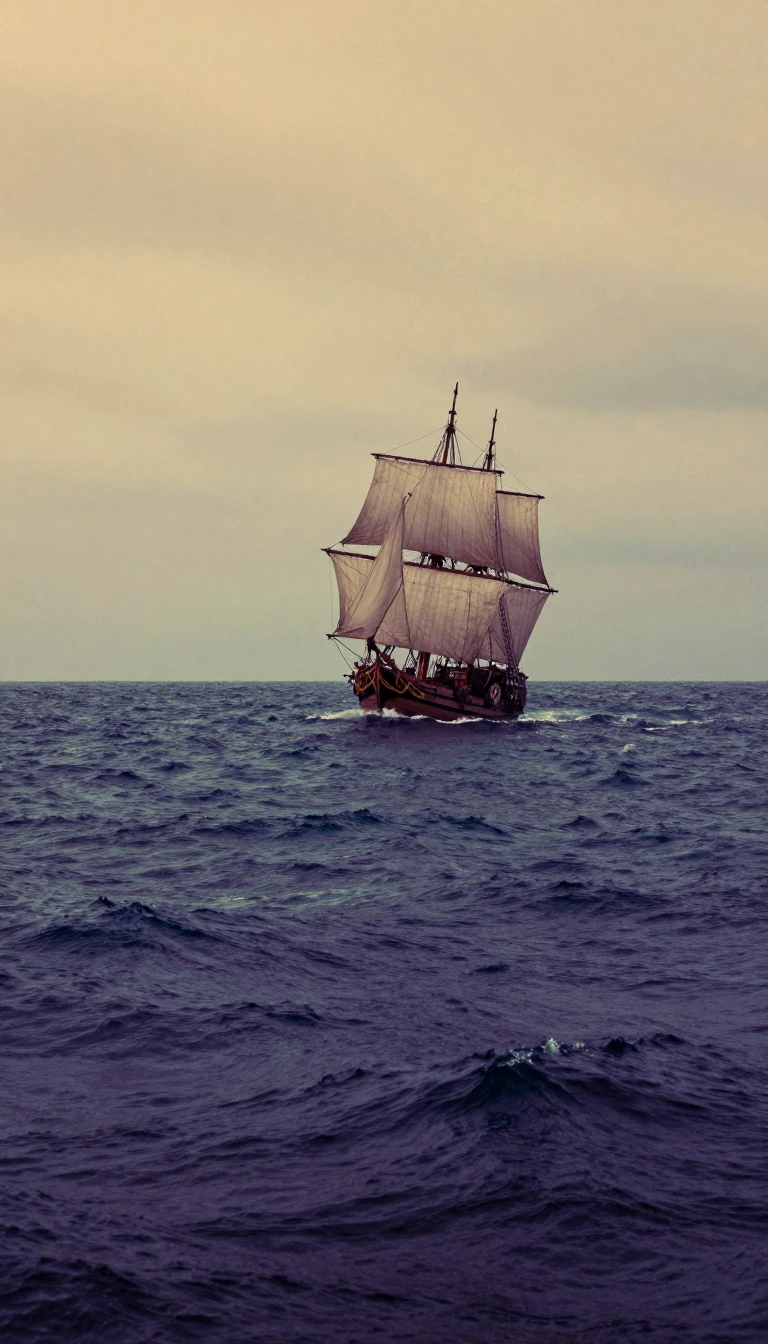
In short: Woodes Rogers was a sea captain who circumnavigated the globe, rescued a marooned sailor who inspired a literary classic, and later governed the Bahamas. Tasked with clearing the Caribbean of outlaws, he transformed a lawless pirate haven into a stable colony, though the effort left him bankrupt and broken.
Born around 1679, Woodes Rogers was a Bristol-based mariner who turned to privateering to recover financial losses sustained during the War of the Spanish Succession. In 1708, he led a two-ship expedition around the world. During this voyage, he famously rescued Alexander Selkirk from Juan Fernández Island in 1709. Selkirk’s survival story, documented in Rogers's successful 1712 book, A Cruising Voyage Round the World, provided the inspiration for Daniel Defoe’s Robinson Crusoe. While the expedition doubled the money for its investors, it cost Rogers his brother and left him physically wounded.
Following his return, Rogers faced significant financial hardship, eventually leading him to seek a new role as the royal governor of the Bahamas in 1718. At the time, Nassau was a notorious pirate stronghold. Rogers arrived with a mandate to offer the King's Pardon to those who surrendered. He faced immense challenges, including disease, Spanish threats, and internal mutinies. To maintain order, he enforced martial law and executed several captured pirates, an act that famously prompted one condemned man to remark on his harsh but effective governance.
Rogers's governorship was a period of intense struggle. He personally financed the colony's defenses, leading to his eventual bankruptcy and imprisonment for debt upon his return to England in 1721. However, his reputation was later restored, and he was reappointed governor in 1728. He served until his death in Nassau in 1732. His legacy in the Bahamas was cemented by the colony's official motto, which celebrated the expulsion of piracy and the restoration of trade, a principle that guided the islands until they achieved independence in 1973.
The historical impact of Rogers is multifaceted. He was a pioneer in maritime navigation, pushing his ships to extreme southern latitudes, and his writings served as essential guides for later explorers. Despite his status as a national hero, his life was defined by the tension between public service and private ruin. His efforts to reform the Bahamas were not merely about law enforcement but were part of a broader attempt to integrate the region into the British imperial economy.
Opens the Intellect+ feed with this card first. Swipe up for the next one.
Sources
- Summary by Intellect · source: Woodes Rogers
- Also: www.britannica.com — Woodes Rogers | Pirate Hunter, Bahamas Governor & Privateer | Britannica
To cite this card, link to https://intellectplus.co.uk/app/society-woodes-rogers.
How we source, check and correct cards: Editorial standards.
General information, not professional advice. Spotted an error? Flag the card or see corrections and complaints.
Intellect Plus is a visual educational discovery platform for exploring fascinating facts and ideas. Brain Food, Not Brain Rot. What is Intellect Plus?
Related
More in Household items · More in Society · Latest · A–Z · All topics
