The only violent overthrow of a Marxist-Leninist government in the 1989 Eastern Bloc revolutions.
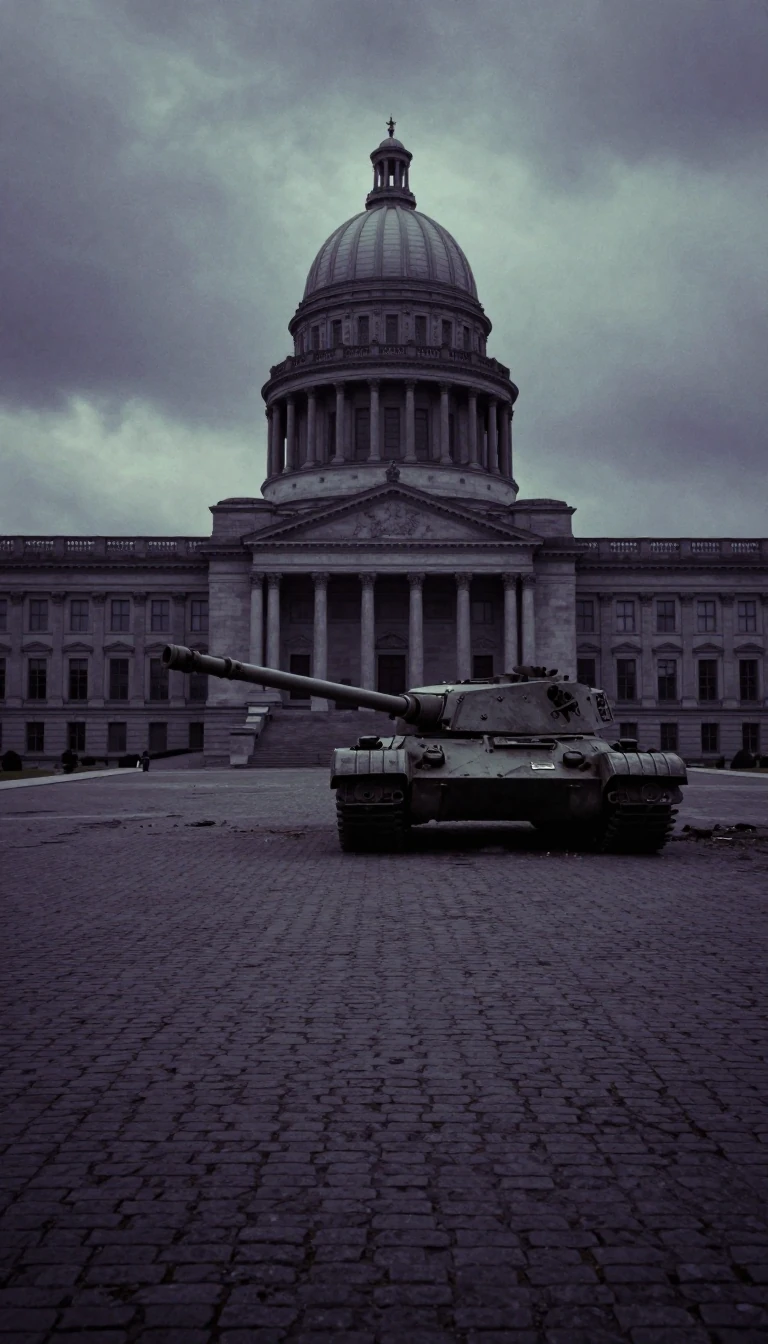
In short: In December 1989, Romania’s long-standing Communist regime collapsed in a wave of violent civil unrest. Unlike its neighbors, where transitions were largely negotiated, Romania’s path to democracy involved a dramatic military defection, a televised public speech that descended into chaos, and the summary execution of its dictator, Nicolae Ceaușescu.
By the late 1980s, Romania had become a rigid police state under Nicolae Ceaușescu. To liquidate a national debt of 11 billion US dollars, the regime imposed severe austerity measures that rationed basic necessities like food and heating, leading to widespread malnutrition and economic malaise. The Securitate, one of the largest secret police forces in the Eastern Bloc, maintained control through pervasive surveillance and brutality, making organized dissent nearly impossible.
The revolution began in mid-December 1989 in Timișoara, sparked by the government's attempt to evict a Hungarian Reformed Church pastor, László Tőkés. Protests quickly escalated into anti-government riots that the military and Securitate failed to contain. By 20 December, massive columns of workers joined the movement, chanting slogans against the dictator. Ceaușescu, having returned from a trip to Iran, attempted to regain control with a televised speech in Bucharest on 21 December. The broadcast was interrupted by a mysterious scream from the crowd, signaling the end of his authority.
The turning point arrived on 22 December when the military, following the death of Defence Minister Vasile Milea and the defection of acting minister Victor Stănculescu, switched sides to support the protesters. Ceaușescu and his wife, Elena, fled by helicopter but were captured in Târgoviște. A drumhead military tribunal convicted them of genocide and abuse of power, leading to their immediate execution on Christmas Day 1989. While the National Salvation Front subsequently took power and initiated democratic reforms, the revolution left a legacy of over one thousand deaths and a country deeply marked by its violent break from the Communist past.
The aftermath of the revolution was characterized by confusion and lingering violence, as armed forces personnel mistakenly engaged one another, believing the other side to be Securitate 'terrorists.' Despite popular narratives, no evidence has ever confirmed an organized Securitate resistance. Romania eventually integrated into Western institutions, joining NATO in 2004 and the European Union in 2007, finally moving beyond the shadow of the Ceaușescu era.
Opens the Intellect+ feed with this card first. Swipe up for the next one.
Sources
- Summary by Intellect · source: Romanian revolution
To cite this card, link to https://intellectplus.co.uk/app/history-romanian-revolution.
How we source, check and correct cards: Editorial standards.
General information, not professional advice. Spotted an error? Flag the card or see corrections and complaints.
Intellect Plus is a visual educational discovery platform for exploring fascinating facts and ideas. Brain Food, Not Brain Rot. What is Intellect Plus?
Related
More in Contemporary (1945-) · More in History · Latest · A–Z · All topics
