How Romania navigated four decades of Soviet influence and internal totalitarian control
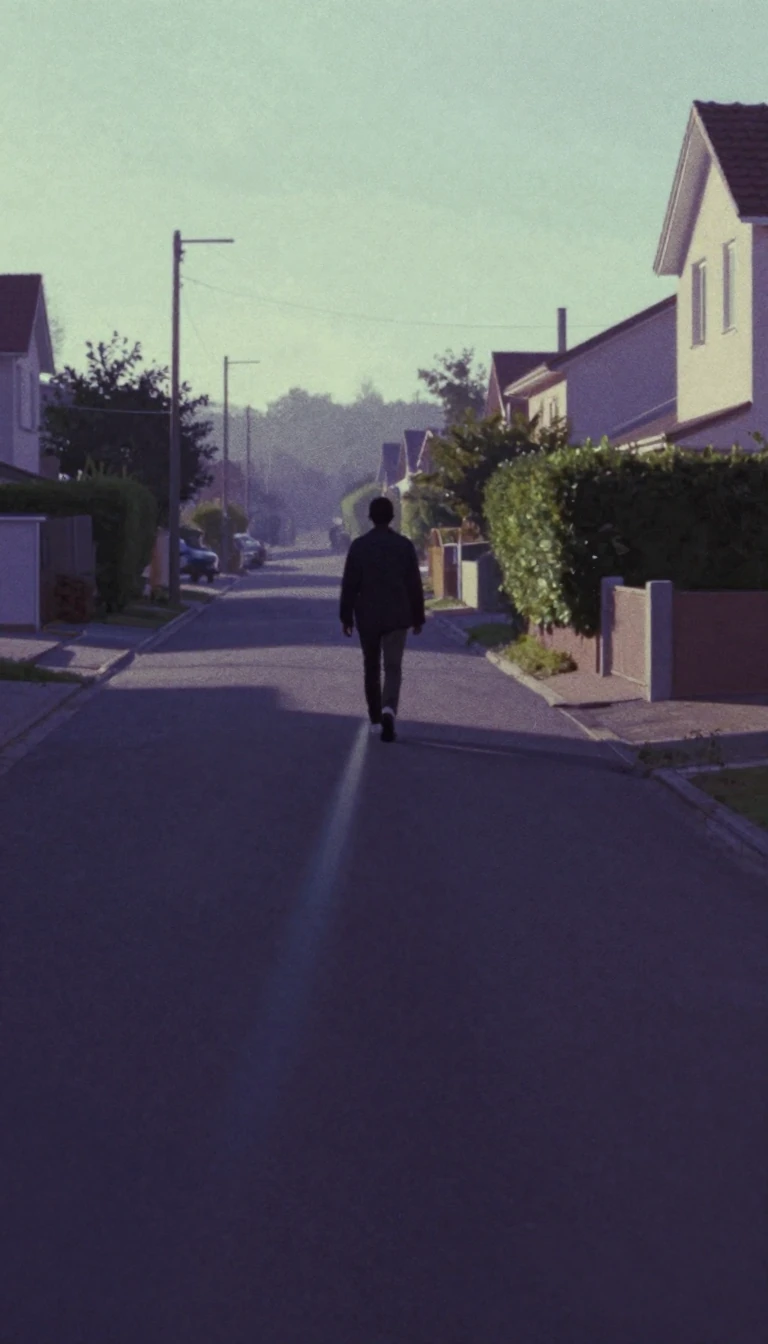
In short: From 1947 to 1989, the Socialist Republic of Romania functioned as an Eastern Bloc state defined by shifting allegiances and severe repression. While the regime achieved significant industrial and social gains during the mid-century, it ultimately descended into a totalitarian system that collapsed violently at the end of the Cold War.
The origins of communist rule in Romania were rooted in the post-World War II occupation by the Soviet Union. Following the forced removal of King Michael I in December 1947, the country transitioned into a socialist republic. Early governance was characterized by the 'SovRom' system, which drained national resources to benefit the Soviet Union, and the establishment of a security apparatus known as the Securitate. This period saw the systematic elimination of political opposition, the nationalization of banks and large businesses, and the implementation of a Stalinist model of governance.
Under Gheorghe Gheorghiu-Dej, the regime began to assert a degree of nationalist independence, notably by distancing itself from Soviet economic directives and heavy-handed cultural influence. Despite this, the state remained deeply repressive. The government utilized forced labor camps, such as those linked to the Danube–Black Sea Canal project, and conducted infamous 'reeducation' programs like the Pitești experiment. Tens of thousands of citizens were arrested or died in custody, particularly during the Stalinist era of the 1950s.
Nicolae Ceaușescu assumed leadership in 1965, initially gaining popularity for denouncing the Soviet invasion of Czechoslovakia and relaxing internal restrictions. However, this period of relative openness was short-lived. By the 1970s, Ceaușescu’s regime had shifted toward extreme austerity and totalitarian control. Economic stagnation in the 1980s exacerbated public suffering, leading to the violent revolution of December 1989. The socialist system was officially dismantled, and a new constitution was adopted in 1991, marking the country's transition to a semi-presidential democratic system.
Opens the Intellect+ feed with this card first. Swipe up for the next one.
Sources
- Summary by Intellect · source: Socialist Republic of Romania
- Also: Wikidata — Socialist Republic of Romania · CC0
To cite this card, link to https://intellectplus.co.uk/app/places-socialist-republic-of-romania.
How we source, check and correct cards: Editorial standards.
General information, not professional advice. Spotted an error? Flag the card or see corrections and complaints.
Intellect Plus is a visual educational discovery platform for exploring fascinating facts and ideas. Brain Food, Not Brain Rot. What is Intellect Plus?
Related
More in Countries and other regions · More in Countries & Cities · Latest · A–Z · All topics
