Was Iceland the last major landmass on Earth to be permanently settled by humans?
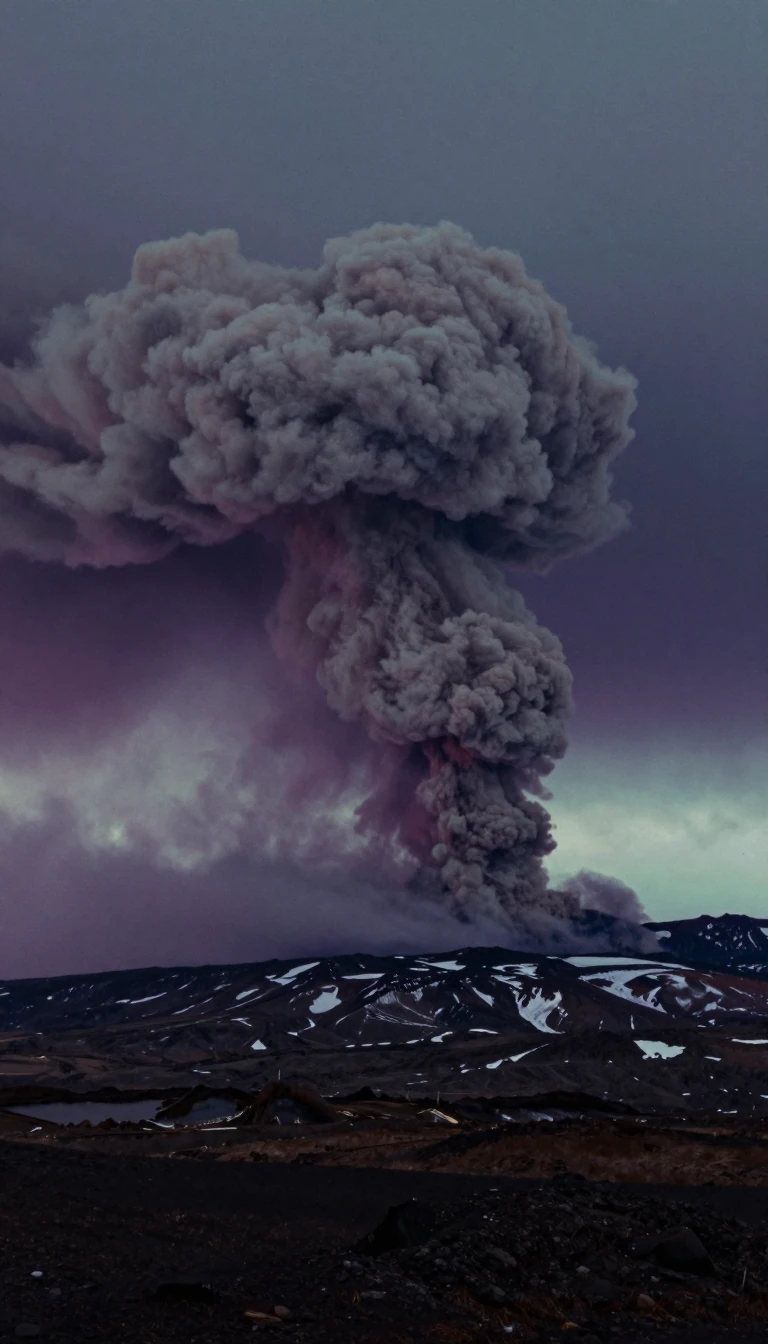
In short: Iceland stands out as the second-to-last major landmass permanently settled by humans, following only New Zealand. While medieval sagas point to a ninth-century Norse arrival, modern archaeology suggests a more complex story involving seasonal outposts, Irish monks, and a genetic foundation far more diverse than the traditional Norwegian narrative.
Traditionally, the Icelandic Age of Settlement is dated from 874 to 930, a period defined by the arrival of Norse settlers like Ingólfr Arnarson and the subsequent founding of the Alþingi parliament. Medieval texts like the Íslendingabók and Landnámabók provide the backbone of this history, yet they were written centuries after the events they describe. Recent archaeological findings have challenged this tidy timeline, revealing evidence of human activity that predates the 874 arrival. Excavations in Reykjavík and at a site in Stöð have uncovered structures built well before the ninth century, suggesting that the island may have hosted seasonal hunting or fishing outposts long before it became a permanent home.
The identity of these early visitors remains a subject of intense study. While Norse sagas claim the settlers encountered Gaelic monks known as papar, archaeological evidence at sites like Kverkarhellir cave supports the presence of a Hiberno-Scottish mission around 800. Furthermore, genetic research has upended the idea that Iceland was purely a Norse colony. While patrilineal ancestry is heavily Scandinavian, roughly 62% of the matrilineal ancestry of modern Icelanders traces back to Scotland and Ireland. This suggests that many of the early settlers from the British Isles were likely enslaved people, whose lower status and limited reproductive success shaped the island's unique demographic profile.
The motivations for this migration were likely multifaceted. While medieval sources blame the tax policies and centralization efforts of Harald I of Norway, modern historians point to a shortage of arable land in Scandinavia and the lure of resources like walrus ivory. Once established, the settlers underwent a profound cultural shift. Abandoning the raiding lifestyle common in the Viking world, they developed a community-minded society governed by chieftains known as godar. This self-governing structure, centered on the Althing, fostered a distinct cultural identity that prioritized individual integrity and restrained conflict, setting Iceland apart from other Norse settlements of the time.
Opens the Intellect+ feed with this card first. Swipe up for the next one.
Sources
- Summary by Intellect · source: Settlement of Iceland
- Also: Iceland - Viking Settlement, Geothermal Energy, Volcanic Activity | Britannica
To cite this card, link to https://intellectplus.co.uk/app/history-settlement-of-iceland.
How we source, check and correct cards: Editorial standards.
General information, not professional advice. Spotted an error? Flag the card or see corrections and complaints.
Intellect Plus is a visual educational discovery platform for exploring fascinating facts and ideas. Brain Food, Not Brain Rot. What is Intellect Plus?
Related
More in Ancient · More in History · Latest · A–Z · All topics
