The 1637 Shimabara Rebellion was the final, violent gasp of Japanese Christianity.
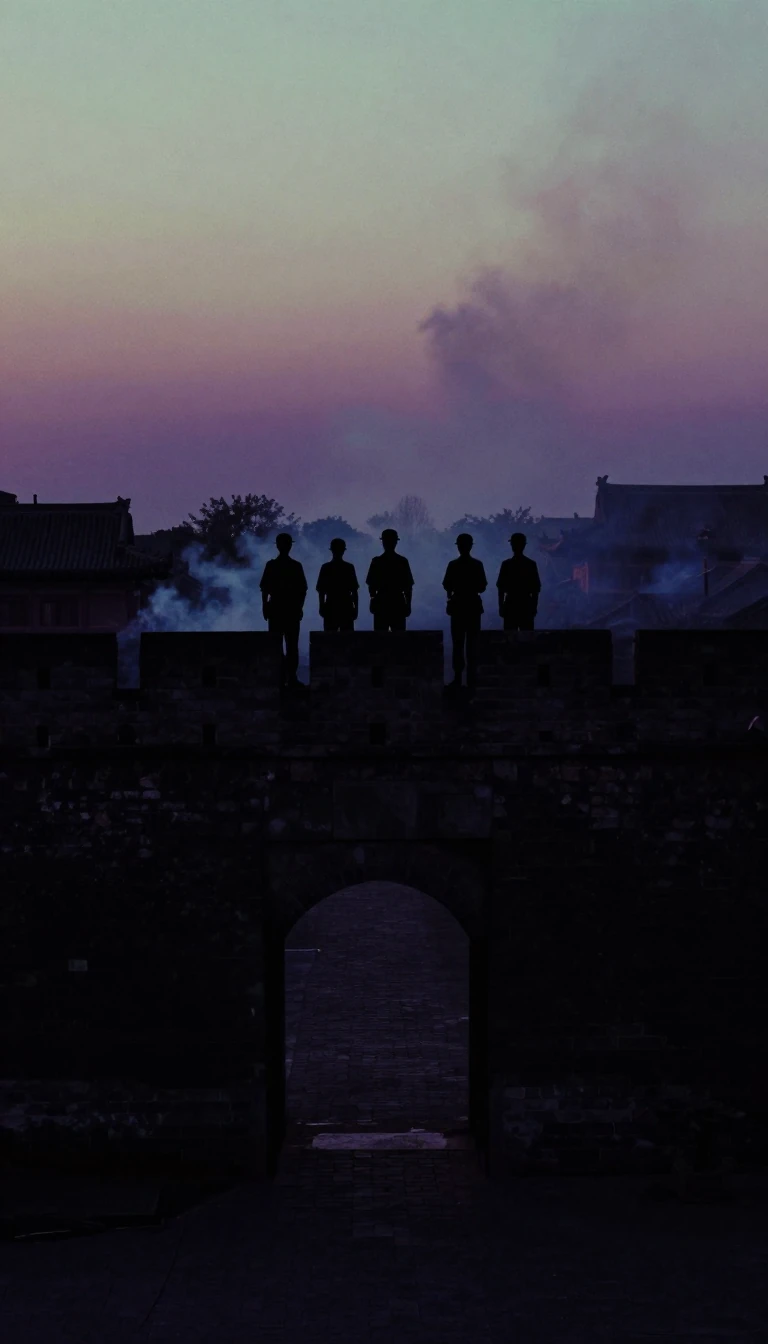
In short: When thousands of peasants and masterless samurai rose against their lords in 17th-century Japan, the Tokugawa shogunate responded with overwhelming force. This uprising, fueled by crushing taxes and religious persecution, ultimately triggered a policy of total national isolation that would define the country for over two centuries.
The Shimabara Rebellion, occurring between 1637 and 1638, was a pivotal moment in the Tokugawa period. While often remembered as a religious conflict, the uprising was fundamentally rooted in economic desperation. Peasants, who comprised 80 percent of the population, faced extreme tax burdens imposed by local lords like Matsukura Katsuie to fund massive construction projects and demonstrate loyalty to the shogunate. This fiscal pressure, combined with the violent prohibition of Christianity, pushed the local population to the breaking point.
The rebellion began in December 1637 with the assassination of a local magistrate. Led by the charismatic 16-year-old Amakusa Shirō, the rebels—a mix of peasants, fishermen, and unemployed samurai known as rōnin—eventually retreated to the ruins of Hara Castle. The shogunate, under Tokugawa Iemitsu, viewed the uprising as a direct threat to the stability of his military dictatorship. Fearing foreign influence and military intervention from Catholic powers like Spain and Portugal, the government mobilized a massive force of over 125,000 troops to crush the resistance.
The aftermath of the rebellion was absolute. Following the fall of Hara Castle, an estimated 37,000 rebels and sympathizers were executed. The shogunate used the event to justify the final implementation of its national seclusion policy, which had been developing through a series of exclusion decrees in the 1630s. By banning travel abroad and limiting foreign trade to a few Dutch and Chinese merchants in Nagasaki, the government effectively severed Japan from the outside world. This isolation, intended to ensure internal peace and prevent the spread of foreign ideas, remained the status quo until the mid-19th century.
Opens the Intellect+ feed with this card first. Swipe up for the next one.
Sources
- Summary by Intellect · source: Shimabara Rebellion | Christianity, Peasants, Samurai | Britannica
- Also: Shimabara Rebellion
To cite this card, link to https://intellectplus.co.uk/app/history-shimabara-rebellion.
How we source, check and correct cards: Editorial standards.
General information, not professional advice. Spotted an error? Flag the card or see corrections and complaints.
Intellect Plus is a visual educational discovery platform for exploring fascinating facts and ideas. Brain Food, Not Brain Rot. What is Intellect Plus?
Related
More in Early modern · More in History · Latest · A–Z · All topics
