A teenage messiah led a doomed Christian rebellion against the Japanese Shogunate in 1638.
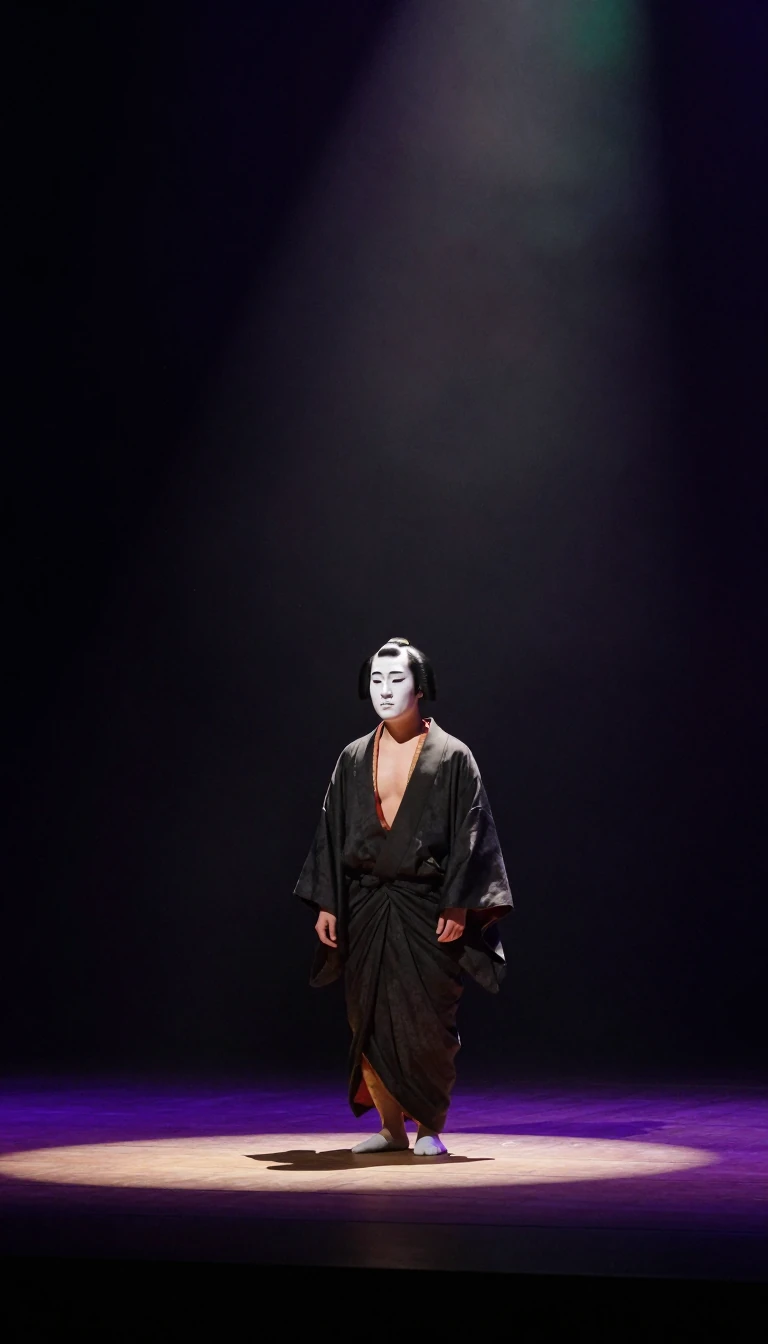
In short: At just 17, Amakusa Shirō became the spiritual figurehead of the Shimabara Rebellion, a desperate uprising of Japanese Christians. Revered as a miracle-worker and messenger from heaven, he led thousands into a final, tragic stand at Hara Castle. His story remains a haunting chapter of faith, betrayal, and total annihilation.
Born around 1621 to Catholic parents, Masuda Shirō Tokisada—known as Amakusa Shirō—emerged as a charismatic leader during a period of intense religious suppression in Japan. By age 15, he was already being hailed by followers as a divine messenger capable of performing miracles. While legends once speculated he might be the illegitimate son of the powerful Toyotomi Hideyori, historians generally dismiss these claims as lacking credibility. Instead, he is recognized as a masterless samurai, or rōnin, who galvanized a coalition of peasants and Christians in the Shimabara Peninsula to challenge the Shogunate.
The conflict culminated in a five-month siege at Hara Castle. Shirō and his followers mounted a fierce defense, but they faced insurmountable odds. With no logistical support and dwindling food supplies, the rebel morale began to fracture. The situation turned fatal when a rebel soldier named Yamada Emosaku betrayed the group, leaking intelligence about their starvation to the Shogunate forces. This information allowed the government army to launch a final, decisive assault that resulted in the massacre of nearly 40,000 rebels. Yamada was the sole survivor of the slaughter.
Following the fall of the castle, Shirō was captured and executed. In a grim display of authority, the Shogunate placed his severed head on a pike near Nagasaki, where it remained for an extended period as a chilling warning to any remaining Christians. Despite the total defeat of his movement, Shirō’s legacy persisted, eventually inspiring artistic interpretations like the 1962 film by Nagisa Oshima. His life and death serve as a stark reminder of the extreme measures taken during the Edo period to enforce national seclusion and eradicate Christianity from Japanese society.
Opens the Intellect+ feed with this card first. Swipe up for the next one.
Sources
- Summary by Intellect · source: Amakusa Shirō
- Also: Amakusa Shiro | Japanese samurai | Britannica
To cite this card, link to https://intellectplus.co.uk/app/history-amakusa-shir.
How we source, check and correct cards: Editorial standards.
General information, not professional advice. Spotted an error? Flag the card or see corrections and complaints.
Intellect Plus is a visual educational discovery platform for exploring fascinating facts and ideas. Brain Food, Not Brain Rot. What is Intellect Plus?
Related
More in Rebels, revolutionaries and activists · More in History · Latest · A–Z · All topics
