Why a tiny Mediterranean island became the most bombed place on the planet
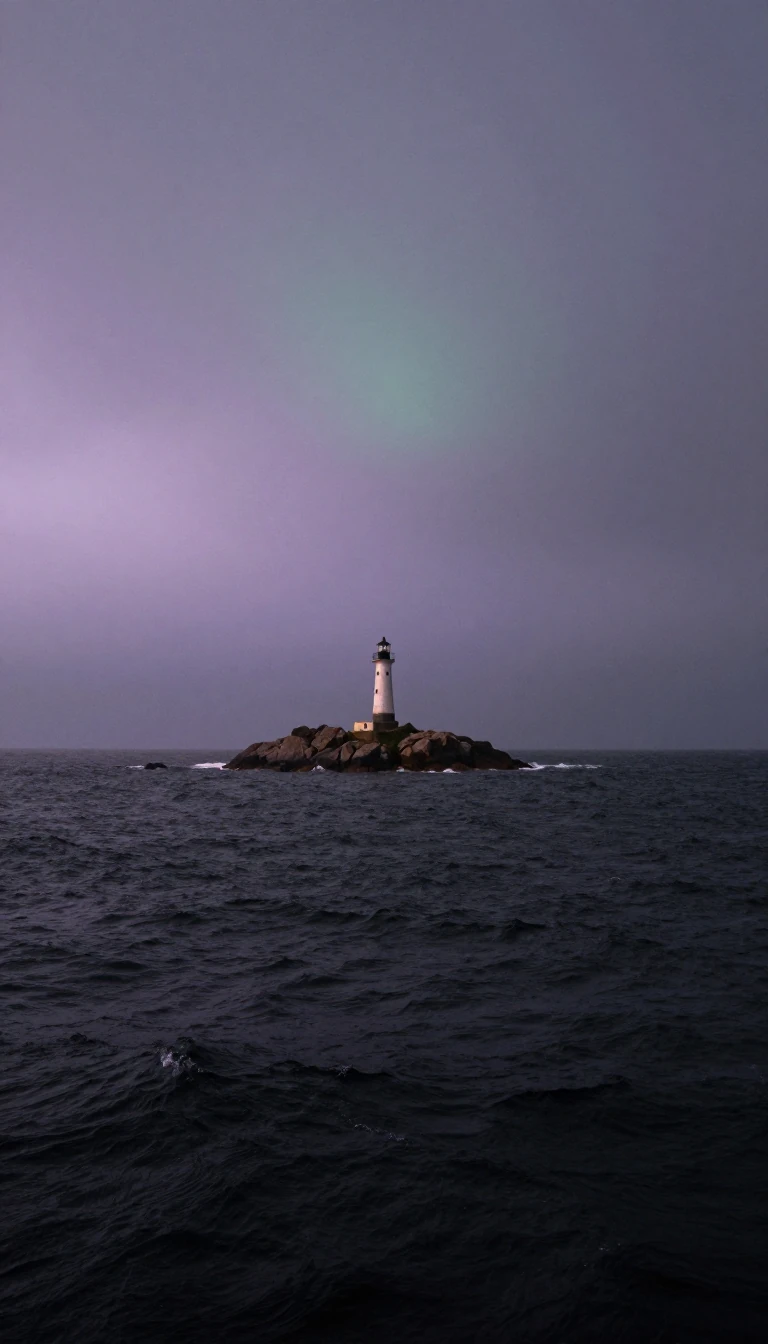
In short: During World War II, Malta was a vital British outpost that threatened Axis supply lines to North Africa. To neutralize this strategic thorn, German and Italian forces unleashed an unprecedented aerial assault, dropping thousands of tons of explosives on the island's small, densely populated Grand Harbour area for two years.
Malta’s strategic value was immense. Positioned between Gibraltar and Alexandria, it served as the only Allied base in the central Mediterranean. From here, British submarines and aircraft could interdict Axis shipping, a capability General Erwin Rommel recognized as critical to the North African campaign. By 1941, Axis forces were determined to either starve the island into submission or soften it for a planned amphibious invasion known as Operation Herkules.
The aerial bombardment was relentless. Over two years, the Luftwaffe and the Italian Regia Aeronautica executed 3,000 raids, concentrating their efforts on the Grand Harbour. This area was exceptionally congested, with 28,000 people living in just 1.3 square kilometers. Despite the intensity of the attacks, the island remained a persistent threat. The British reinforced their defenses with Hurricanes and later utilized the island as a launchpad for the invasion of Sicily.
The conflict also highlighted the shifting nature of naval warfare. The British initially underestimated the danger, believing the island could be defended from Alexandria. However, the arrival of German dive-bombers in 1941 proved that land-based air power could dominate the seas. When the carrier HMS Illustrious was heavily damaged by Ju 87 Stukas in January 1941, it forced the Royal Navy to withdraw its heavy units from the central Mediterranean, fundamentally changing the regional balance of power.
By November 1942, the tide turned. Following the Axis defeat at the Second Battle of El Alamein and the Allied landings in North Africa, the pressure on Malta eased. The island transitioned from a defensive fortress to an offensive base. By May 1943, Allied forces operating from Malta achieved the highest sinking rate of the war, destroying 230 Axis ships in just 164 days.
Opens the Intellect+ feed with this card first. Swipe up for the next one.
Sources
- Summary by Intellect · source: Siege of Malta (World War II)
To cite this card, link to https://intellectplus.co.uk/app/history-siege-of-malta-world-war-ii.
How we source, check and correct cards: Editorial standards.
General information, not professional advice. Spotted an error? Flag the card or see corrections and complaints.
Intellect Plus is a visual educational discovery platform for exploring fascinating facts and ideas. Brain Food, Not Brain Rot. What is Intellect Plus?
Related
More in Modern (1800-1945) · More in History · Latest · A–Z · All topics
