How Stalinist architecture turned the Soviet urban landscape into a permanent, theatrical stage set.
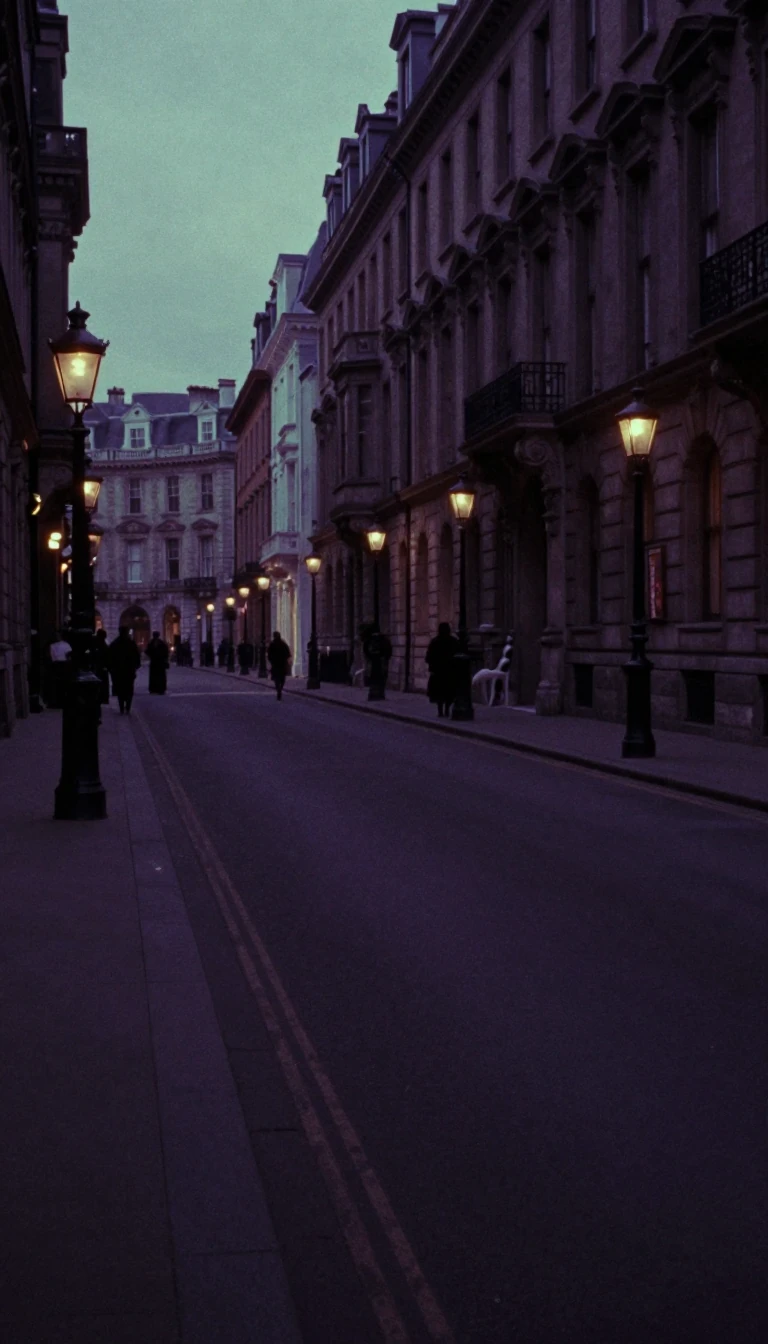
In short: From the mid-1930s to the mid-1950s, the USSR replaced functional modernism with a monumental aesthetic of power. By prioritizing grand façades and palatial interiors over practical housing, architects created a visual triumph of the socialist state, transforming city streets into ceremonial spaces designed for mass processions and demonstrations.
Stalinist architecture, often called socialist classicism, emerged as a deliberate rejection of the preceding Constructivist movement. While Constructivists focused on industrial utility, Stalinist design favored a synthesis of classicism, baroque, and Art Deco. This style was not merely decorative; it was a political tool. By utilizing expensive materials like marble, granite, and bronze, the state sought to project an image of a 'bright future' and aesthetic superiority, where the visual impact of a building consistently outweighed its functional rationality.
The urban planning of this era was dictated by the 1935 Moscow Master Plan, which mandated that development proceed by whole ensembles rather than individual structures. This decree effectively banned low-cost mass housing in city centers, forcing funds into grand, high-density projects. City blocks were expanded to as large as 15 hectares, and streets were widened to accommodate the logic of state-sanctioned spectacles. Even the engineering, such as the steel frames used in the iconic 'Seven Sisters' high-rises, served the goal of creating a vertical, global socialist metropolis.
The extent of Joseph Stalin’s personal influence remains a subject of historical conjecture, largely centered on the 1931–1933 Palace of Soviets competition. While Stalin’s specific critiques of designs—revealed in a 1932 memorandum—shaped the trajectory of major projects, he also retained a diverse group of architects. Traditionalists like Ivan Zholtovsky and Alexey Shchusev worked alongside former Constructivists like Konstantin Melnikov in state-run workshops. This forced collaboration ensured that even those with modernist backgrounds contributed to the creation of the era's emphatically historical, Roman-inspired aesthetic.
Opens the Intellect+ feed with this card first. Swipe up for the next one.
Sources
- Summary by Intellect · source: Stalinist architecture
To cite this card, link to https://intellectplus.co.uk/app/history-stalinist-architecture.
How we source, check and correct cards: Editorial standards.
General information, not professional advice. Spotted an error? Flag the card or see corrections and complaints.
Intellect Plus is a visual educational discovery platform for exploring fascinating facts and ideas. Brain Food, Not Brain Rot. What is Intellect Plus?
Related
More in Modern · More in History · Latest · A–Z · All topics
