Was the Sukhothai Kingdom truly the first Thai state, or a complex regional network?
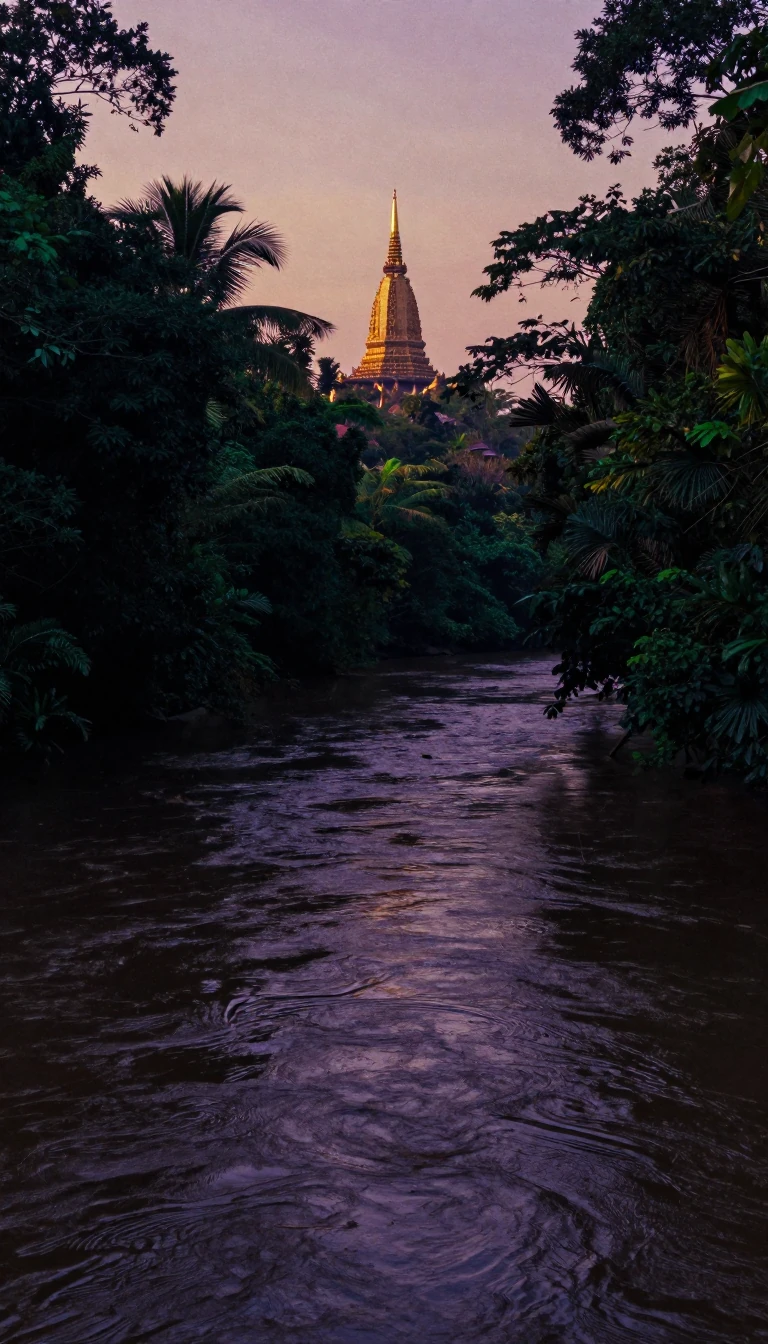
In short: Long celebrated as the dawn of the Thai nation, the Sukhothai Kingdom is now viewed by historians as a sophisticated, contested mandala of city-states. Far from a simple monolith, its rise in 1238 emerged from shifting alliances, Khmer-influenced power struggles, and a strategic position as a vital regional trade entrepôt.
The traditional narrative of Sukhothai as the first Thai kingdom, once a cornerstone of national historiography, has been largely dismantled by modern scholarship. While the events of 1238—when Si Inthrathit rose to power—are traditionally cited as the kingdom's founding, this date is now interpreted as a complex power shift between local lords rather than a singular liberation from Khmer rule. Earlier records suggest a long, layered history of settlement, with some chronicles tracing the city's origins back to the 5th or 7th century, long before the rise of the Sukhothai dynasty.
The kingdom’s political structure was defined by the relationship between Sukhothai and its sister city, Si Satchanalai. Historians debate whether this pairing represented a unified capital or two distinct polities governed by separate ruling lines. Under Ram Khamhaeng the Great, who reigned until 1298, the kingdom purportedly reached its greatest extent. However, later scholars argue that the territorial claims inscribed during his era describe a network of tributary relationships rather than direct administrative control. These bonds were fragile; after his death, the regional confederations largely dissolved, and the kingdom’s influence waned significantly.
By 1349, Sukhothai had become a tributary to the rising power of Ayutthaya, though the depth of this subjection remains a subject of academic dispute. Despite its political fragmentation, the Sukhothai nobility continued to exert profound influence on the Ayutthaya monarchy for centuries. Today, the ruins of the capital, located 12 km from the modern town of Sukhothai Thani, serve as a UNESCO World Heritage site, offering a physical testament to a civilization that was as much a product of its diverse cultural exchanges—including Mon, Tai, and Xiān influences—as it was a distinct political entity.
Opens the Intellect+ feed with this card first. Swipe up for the next one.
Sources
- Summary by Intellect · source: Sukhothai Kingdom
To cite this card, link to https://intellectplus.co.uk/app/history-sukhothai-kingdom.
How we source, check and correct cards: Editorial standards.
General information, not professional advice. Spotted an error? Flag the card or see corrections and complaints.
Intellect Plus is a visual educational discovery platform for exploring fascinating facts and ideas. Brain Food, Not Brain Rot. What is Intellect Plus?
Related
More in Post-classical · More in History · Latest · A–Z · All topics
