When a locked door at Versailles sparked the end of the French monarchy
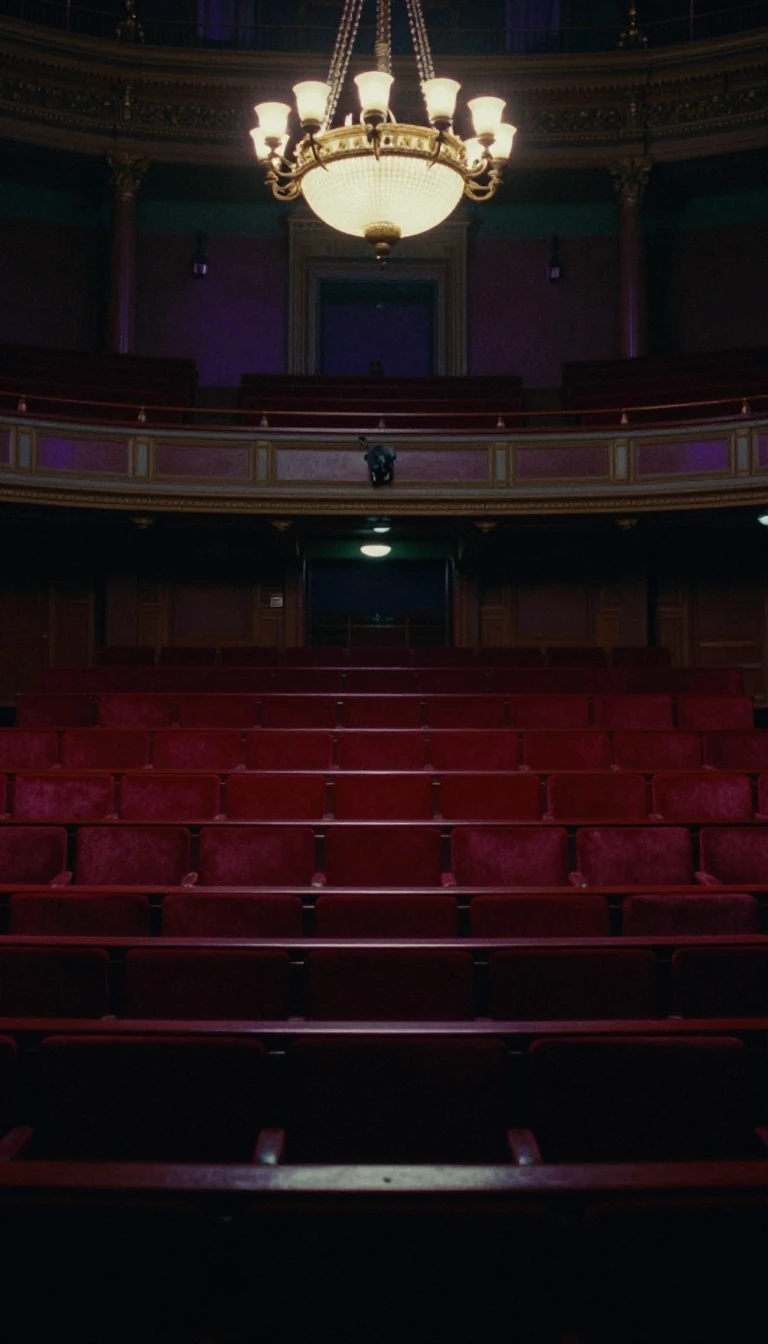
In short: On June 20, 1789, French commoners arrived at their meeting hall only to find it barred by soldiers. Fearing a royal crackdown, they retreated to a nearby indoor tennis court. There, they swore an oath that fundamentally shifted the source of political power from the king to the people.
The French Estates-General had convened in May 1789 to address a crushing fiscal and agricultural crisis. However, proceedings stalled over voting procedures. The Third Estate, representing 97 percent of the population, demanded voting by head to overcome the veto power held by the clergy and nobility. When the Third Estate declared itself the National Assembly, King Louis XVI responded by locking them out of the Salle des Menus-Plaisir. Fearing an imminent military assault, the deputies followed the advice of Joseph-Ignace Guillotin and gathered in a nearby indoor tennis court to continue their work.
Led by figures such as Jean Sylvain Bailly, 576 of the 577 Third Estate members pledged never to separate until they had established a national constitution. This act was a direct challenge to the monarchy, asserting that authority resided in the people and their representatives. The oath was influenced by the American Declaration of Independence and signaled the first formal opposition to the king. It forced Louis XVI to eventually concede, ordering the other estates to join the Assembly and agreeing to vote by head count on June 27, 1789.
The implications of the oath rippled through French society, triggering events like the Storming of the Bastille and the abolition of feudalism. Emmanuel Joseph Sieyes, a key intellectual of the era, argued that the Third Estate was the true foundation of the nation, capable of flourishing without the privileged orders. While the king attempted to suppress the movement, the solidarity of the deputies proved insurmountable. The site itself, once a royal tennis facility, fell into disrepair over the following century, only to be restored in 1989 to mark the bicentenary of the revolution that permanently altered the course of French governance.
Opens the Intellect+ feed with this card first. Swipe up for the next one.
Sources
- Summary by Intellect · source: Tennis Court Oath
To cite this card, link to https://intellectplus.co.uk/app/history-tennis-court-oath.
How we source, check and correct cards: Editorial standards.
General information, not professional advice. Spotted an error? Flag the card or see corrections and complaints.
Intellect Plus is a visual educational discovery platform for exploring fascinating facts and ideas. Brain Food, Not Brain Rot. What is Intellect Plus?
Related
More in Early modern · More in History · Latest · A–Z · All topics
