Is the universe a machine, or does it have a secret purpose?
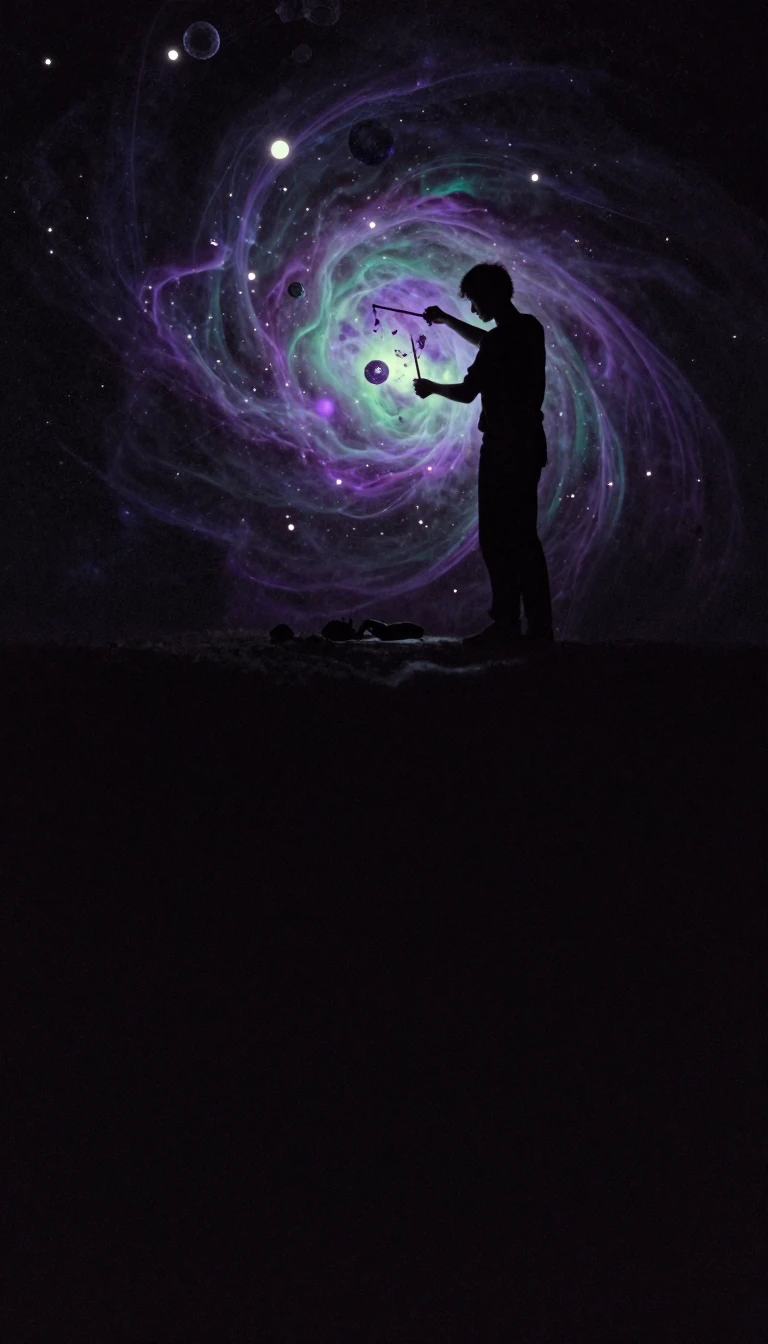
In short: Teleology is the philosophical study of purpose. While ancient thinkers like Aristotle believed nature itself possessed intrinsic goals, modern science largely replaced this with mechanical causality. Today, the debate persists: are our actions driven by inherent ends, or are we merely complex biological machines reacting to external stimuli?
Teleology, derived from the Greek telos, meaning end or goal, posits that events are best explained by their purpose rather than just their physical causes. In classical philosophy, Aristotle argued that everything in nature has an intrinsic telos—an acorn, for instance, is naturally destined to become an oak tree. Socrates similarly insisted that true understanding requires identifying the 'good' or the reason for which an action is taken, rather than just describing the physical mechanics involved.
The modern era, roughly 1600 to 1900, saw a sharp shift away from this view. Thinkers like René Descartes, Francis Bacon, and Thomas Hobbes rejected Aristotelian teleology, favoring a mechanistic perspective where life is merely the motion of limbs and joints, akin to a machine. Bacon argued that focusing on final causes hindered scientific discovery, while Descartes believed God's designs were too incomprehensible for humans to decipher. By the late 18th century, Immanuel Kant famously claimed that science would never explain the origin of life, viewing teleology as a subjective, albeit necessary, human perception rather than a biological reality.
Despite this, teleological thinking evolved into 'grand narratives' in the 19th century. Hegel viewed history as a process of humanity moving toward self-conscious freedom through clashing ideas, while Marx applied this to class struggle. In the 20th century, Ludwig von Mises utilized teleology in praxeology, arguing that all human action is purposeful, driven by the desire to achieve specific ends. Today, the concept remains central to ethics; consequentialism, such as utilitarianism, judges acts by their outcomes, whereas deontological ethics, like Kant's categorical imperative, insists that the morality of an act is independent of its goal. Modern science, however, remains cautious, often preferring the term teleonomy to avoid implying purpose in natural processes.
Opens the Intellect+ feed with this card first. Swipe up for the next one.
Sources
- Summary by Intellect · source: Teleology
To cite this card, link to https://intellectplus.co.uk/app/history-teleology.
How we source, check and correct cards: Editorial standards.
General information, not professional advice. Spotted an error? Flag the card or see corrections and complaints.
Intellect Plus is a visual educational discovery platform for exploring fascinating facts and ideas. Brain Food, Not Brain Rot. What is Intellect Plus?
Related
More in Early modern · More in History · Latest · A–Z · All topics
