Thutmose II ruled Egypt for years that scholars still cannot agree on
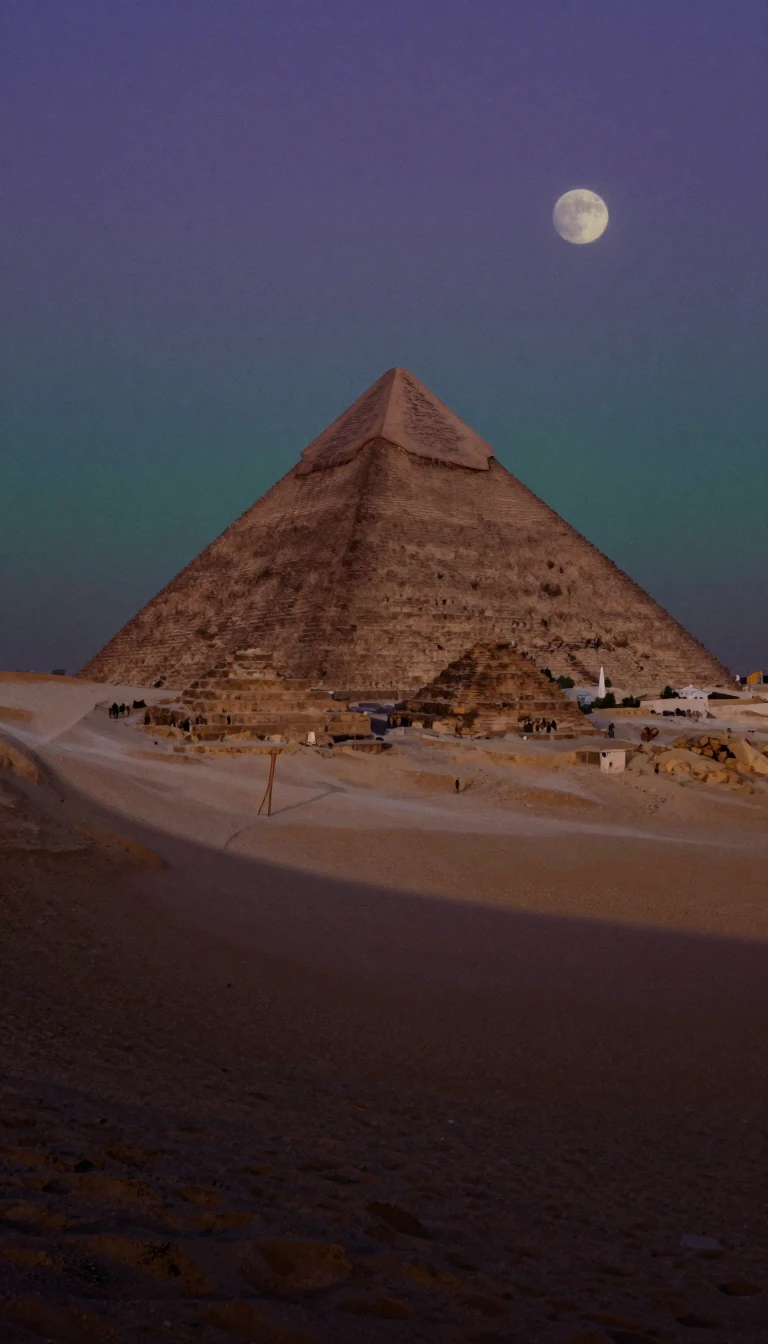
In short: Thutmose II was a pharaoh of the Eighteenth Dynasty, yet he is overshadowed by his father, his wife and his son. His reign might have lasted three years or fourteen. A tomb identified as his was found only in 2022, and his mummy has been questioned. Here is why one obscure king is such a puzzle.
Thutmose II was the fourth pharaoh of Egypt's Eighteenth Dynasty. He was the son of Thutmose I and a lesser wife, and he married his fully royal half-sister, Hatshepsut, which helped secure his kingship. Because of the timing of his birth, he probably came to the throne in his early teens. Military campaigns against revolts in Nubia and a raid on the Shasu Bedouin in the Sinai were carried out by his generals rather than by the king himself, which is often read as a sign that he was still young. The length of his reign remains disputed. Traditional estimates give 13 or 14 years, while others argue for about three. Historians have counted surviving scarabs, the small seals that are hard to alter, and found far fewer for him than for Thutmose I or Hatshepsut. Monuments are a weaker guide, because Hatshepsut placed her own name on many of his works and Thutmose III later reassigned others.
The one major monument clearly his, a limestone gateway at Karnak, was not finished until his son's reign. His tomb was a long-standing mystery. A team led by Piers Litherland found a tomb in the Western Wadis in 2022, and it was confirmed as his in 2025 through inscribed vessels bearing his name and Hatshepsut's. Its site, under waterfalls, left it exposed to flash floods that damaged it over the centuries. His mummy, found in a royal cache in 1881, shows injuries from ancient tomb robbers and signs of illness, though its identification is still debated. Why this matters is that Thutmose II shows how much of ancient history depends on incomplete evidence. Scholars must weigh scarabs, monuments, tombs and mummy labels against one another, and reach only tentative conclusions. A king who left so little behind still prompts careful questions about how we know what we know.
Egypt's historical record is shaped by what survives and by what later rulers chose to rewrite, and Thutmose II is a clear example of both forces.
Opens the Intellect+ feed with this card first. Swipe up for the next one.
Sources
- Summary by Intellect · source: Thutmose II
To cite this card, link to https://intellectplus.co.uk/app/history-thutmose-ii.
How we source, check and correct cards: Editorial standards.
General information, not professional advice. Spotted an error? Flag the card or see corrections and complaints.
Intellect Plus is a visual educational discovery platform for exploring fascinating facts and ideas. Brain Food, Not Brain Rot. What is Intellect Plus?
Related
More in Ancient egypt · More in History · Latest · A–Z · All topics
