The 40-year reign of Egypt's third pharaoh is a puzzle
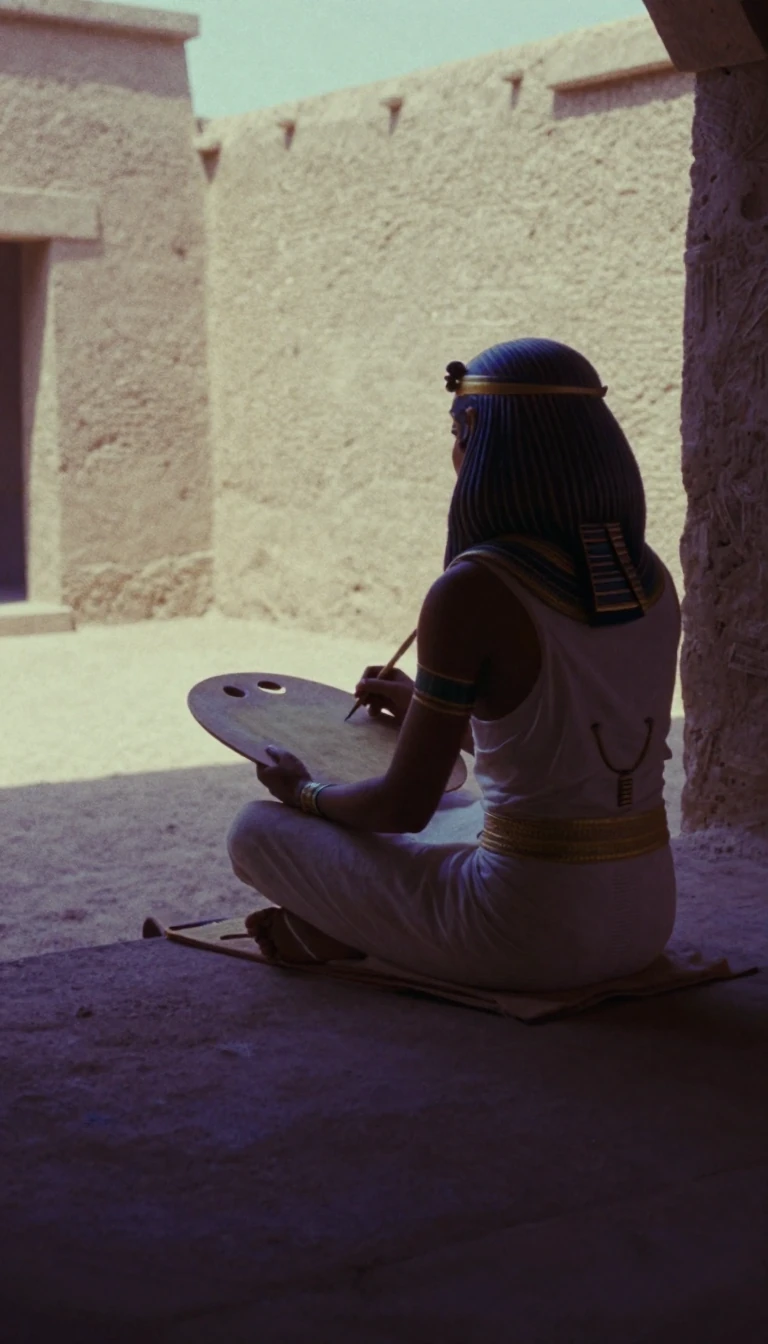
In short: Djer ruled ancient Egypt during the First Dynasty, yet his legacy is obscured by centuries of scribal errors and debated translations. From suspected human sacrifice to mysterious anatomical treatises, the records surrounding this early king reveal how history can be distorted over three millennia.
Djer (also known as Zer or Sekhty) reigned around the mid-31st century BC, succeeding a regency led by Neithhotep. While modern Egyptology identifies him as the third pharaoh of the First Dynasty, his historical record is complicated by later traditions. For instance, New Kingdom king lists from the 13th century BC record a different name, possibly due to scribes mistaking Djer's honorifics for his actual name. Similarly, the priest Manetho recorded him as Kenkenês in the 3rd century BC, a name scholars believe may actually be a corruption of the throne name of a later king, Den.
The duration of Djer's reign is a point of significant scholarly contention based on reconstructions of the Palermo Stone. While Roman historian Julius Africanus cited Manetho's figure of 31 years, modern analysis suggests a much longer tenure. Toby Wilkinson estimates a reign of about 41 years, while other scholars like Erik Hornung and Wolfgang Helck propose reigns of 47 and 57 years, respectively. These discrepancies highlight the difficulty of interpreting nearly lost administrative records from the dawn of Egyptian civilization.
Djer's life is punctuated by ritualistic and architectural milestones recorded in early hieroglyphs. The Palermo Stone tracks his reign through Nile heights, noting events such as the 'smiting of the land of Setjet' in year 26 and the planning of the building 'Companion of the Gods.' Most strikingly, some inscriptions may depict First Dynasty human sacrifice; specifically, a label from year 4 might show the decapitation of Penebui. These records provide a rare, visceral glimpse into the transition from tribal leadership to divine kingship.
Djer's lineage connects him to the foundational figures of Egypt: he was the son of Hor-Aha and grandson of Narmer. His reign also highlights the early power of royal women; several women with titles later associated with queens were buried in subsidiary tombs near his own at Abydos. These figures, including Nakhtneith and Herneith, suggest a complex dynastic structure where female relatives held significant status alongside the king.
Opens the Intellect+ feed with this card first. Swipe up for the next one.
Sources
- Summary by Intellect · source: Djer
To cite this card, link to https://intellectplus.co.uk/app/wars-djer.
How we source, check and correct cards: Editorial standards.
General information, not professional advice. Spotted an error? Flag the card or see corrections and complaints.
Intellect Plus is a visual educational discovery platform for exploring fascinating facts and ideas. Brain Food, Not Brain Rot. What is Intellect Plus?
Related
More in Ancient & biblical wars · More in Wars & Conflicts · Latest · A–Z · All topics
