How a Geologist Led the First Overland Crossing of the Antarctic Continent
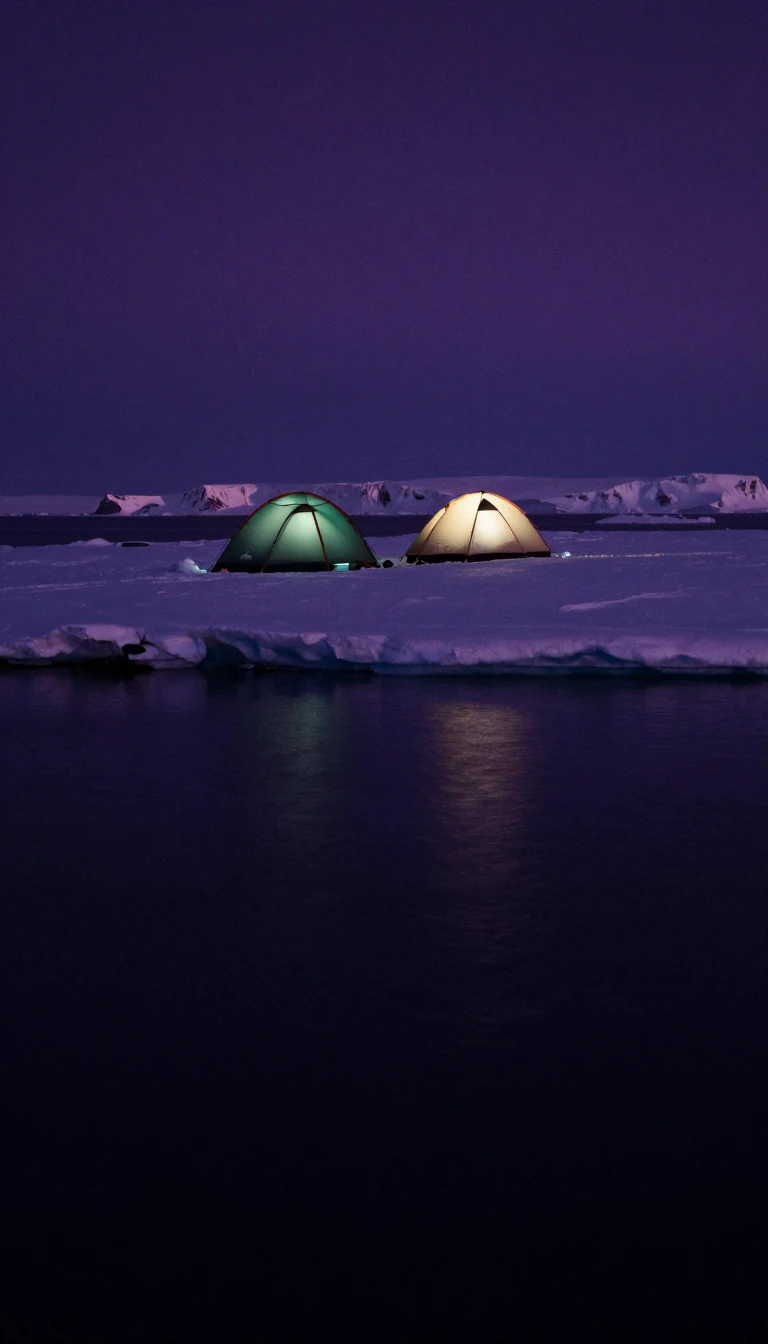
In short: Sir Vivian Fuchs, a scientist-explorer, transformed our understanding of the frozen south. By leading the Commonwealth Trans-Antarctic Expedition in 1958, he proved that a solid landmass lay beneath the massive polar ice sheet. His journey across 2,158 miles of wilderness remains a landmark achievement in the history of exploration.
Born in 1908 on the Isle of Wight, Vivian Fuchs was trained as a geologist at Cambridge, viewing the field as a gateway to outdoor adventure. His early career was defined by diverse expeditions, ranging from Greenland in 1929 to the Rift Valley in East Africa. These experiences, which included surviving the loss of companions during a 1934 survey of Lake Rudolf, prepared him for the logistical and physical rigors of his later work in the polar regions.
Fuchs joined the Falkland Islands Dependencies Survey in 1947, an organization tasked with asserting British claims in Antarctica alongside scientific research. By 1953, he began planning the Commonwealth Trans-Antarctic Expedition. The mission aimed to traverse the continent from the Weddell Sea to the Ross Sea, crossing the South Pole. Departing from Shackleton Base in November 1957, Fuchs and his team utilized Sno-Cat tractors to navigate the treacherous terrain.
The 99-day trek concluded on March 2, 1958, at Scott Base. Beyond the feat of endurance, the expedition provided critical scientific data. Through seismic soundings and gravimetric readings, the team confirmed that a single, continuous landmass existed beneath the Antarctic ice. This discovery fundamentally altered geological knowledge of the continent. Following the expedition, Fuchs served as director of the British Antarctic Survey until 1973, cementing his legacy as a central figure in polar science.
Fuchs was knighted by Queen Elizabeth II in 1958 for his contributions to exploration. His life was marked by both professional triumph and personal hardship, including the loss of a daughter to cerebral palsy and the death of his first wife, Joyce. He remained active in the scientific community until his death in 1999 at the age of 91, leaving behind a legacy that continues to be honored through the Fuchs Medal.
Opens the Intellect+ feed with this card first. Swipe up for the next one.
Sources
- Summary by Intellect · source: Vivian Fuchs
- Also: Sir Vivian Ernest Fuchs | Antarctic Expedition & Facts | Britannica
To cite this card, link to https://intellectplus.co.uk/app/history-vivian-fuchs.
How we source, check and correct cards: Editorial standards.
General information, not professional advice. Spotted an error? Flag the card or see corrections and complaints.
Intellect Plus is a visual educational discovery platform for exploring fascinating facts and ideas. Brain Food, Not Brain Rot. What is Intellect Plus?
Related
More in Explorers · More in History · Latest · A–Z · All topics
