The Weimar Republic was a fragile democratic experiment born from imperial collapse and war.
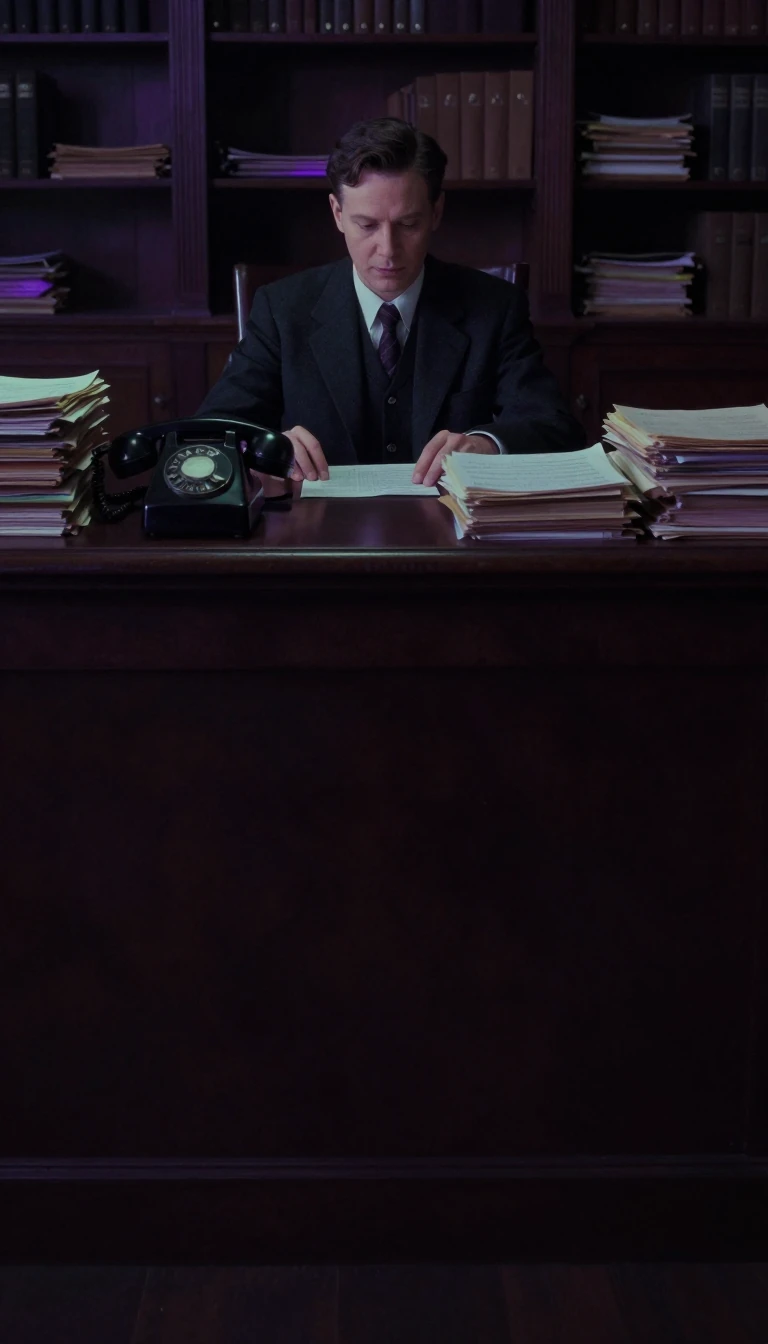
In short: Emerging from the ashes of World War I, the Weimar Republic was Germany’s first constitutional democracy. Yet, it was haunted by economic ruin, political violence, and the shadow of a lost empire. Its brief, turbulent life—from 1918 to 1933—remains a cautionary study of how democracy can unravel from within.
The Republic was born on 9 November 1918, following the abdication of Kaiser Wilhelm II and the collapse of the German Empire. Its name, adopted unofficially, stems from the city of Weimar, where the National Assembly convened from 6 February to 11 August 1919 to draft a new constitution. This transition was marked by profound instability; the new government faced immediate challenges, including hyperinflation, political murders, and attempted coups by paramilitary groups. The state was also burdened by the Treaty of Versailles, signed on 28 June 1919, which stripped Germany of 13% of its territory and 12% of its population, while imposing heavy reparations and the stigma of war guilt.
A period of relative stability, the 'Golden Twenties,' arrived by 1924, characterized by cultural flourishing and international reintegration, such as joining the League of Nations in 1926. However, the Great Depression of October 1929 shattered this progress. Unemployment surged, and the government shifted toward an authoritarian presidential system. President Paul von Hindenburg began using emergency powers to appoint chancellors, eventually naming Adolf Hitler to the post on 30 January 1933. Within months, Hitler utilized the Reichstag Fire Decree and the Enabling Act to dismantle parliamentary control, effectively ending the republic and establishing a one-party dictatorship.
The military played a destabilizing role throughout the period. The Reichswehr, limited to 100,000 men by the Treaty of Versailles, often operated as a 'state within the state,' largely removed from parliamentary oversight. Figures like Hans von Seeckt and later Kurt von Schleicher maneuvered to influence government policy, ultimately contributing to the rise of an authoritarian climate. Meanwhile, the 'stab-in-the-back' myth—the false claim that the civilian population and socialists betrayed the army—was weaponized by the right to undermine the legitimacy of the democratic government, ensuring that many conservatives remained hostile to the republic until its final collapse.
Opens the Intellect+ feed with this card first. Swipe up for the next one.
Sources
- Summary by Intellect · source: Weimar Republic
To cite this card, link to https://intellectplus.co.uk/app/history-weimar-republic.
How we source, check and correct cards: Editorial standards.
General information, not professional advice. Spotted an error? Flag the card or see corrections and complaints.
Intellect Plus is a visual educational discovery platform for exploring fascinating facts and ideas. Brain Food, Not Brain Rot. What is Intellect Plus?
Related
More in Early modern · More in History · Latest · A–Z · All topics
