The Wali: How Islamic tradition defines the 'Friends of God' and their cosmic role
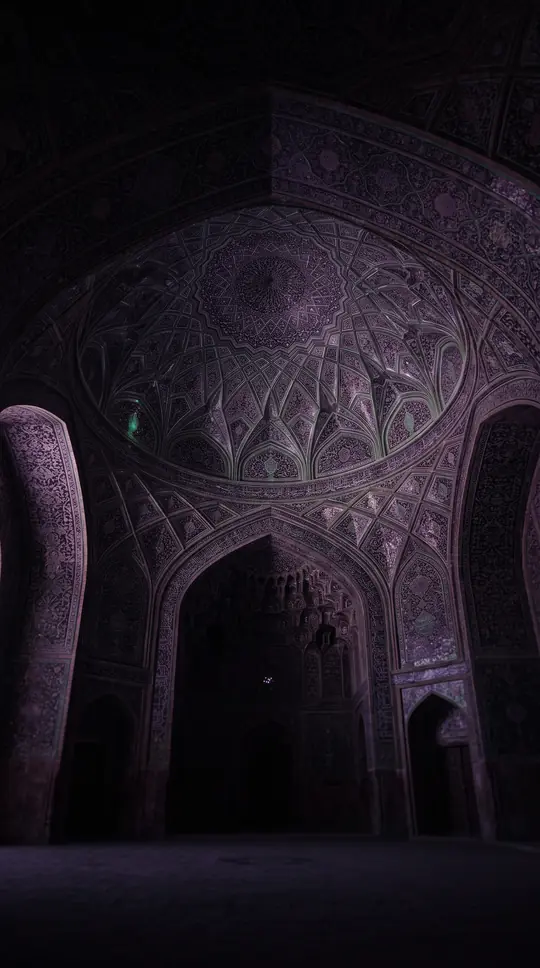
In short: In Islamic tradition, a wali is a 'friend of God'—a saintly figure endowed with divine favor and miraculous gifts. Far from mere historical relics, these figures have been central to Muslim piety for over a millennium, serving as spiritual guides and, according to some, as pillars maintaining the world’s existence.
The concept of the wali, or 'friend of God,' is rooted in early interpretations of the Quran, such as verse 10:62, which speaks of those who shall know no fear or sorrow. While some modern movements like Salafism and Wahhabism have challenged the veneration of saints as an unacceptable deviation or even idolatry, the classical doctrine remains a vital part of daily life in many Muslim-majority nations. Historically, the wali was not canonized by an institution but recognized through popular acclaim and consensus, often manifesting as a contemplative whose spiritual perfection left a lasting legacy for disciples.
By the ninth century, scholars like al-Hakim al-Tirmidhi began systematically articulating a celestial hierarchy of saints. This framework suggests that specific groups—such as the forty abdāl, or 'substitute-saints'—are appointed to preserve divine knowledge across generations. These figures are believed to act as governors of the universe, with their presence and prayers influencing the natural world, such as the falling of rain or the growth of plants. This hierarchy often includes ranks like the qutb, or 'pole,' who serves as the axis of this spiritual court.
The distinction between a wali and a spiritual master, or pīr, is often one of function. While a wali is defined by his intimacy with God and miraculous capacity, a pīr specifically serves as a guide for disciples on the mystical path. The terminology varies significantly across regions—from the Turkish 'baba' to the Persian 'pīr'—yet the underlying belief persists: these saints are 'spiritual giants' who mirror the light of God, acting as mirrors of divine qualities and remaining active in their graves to answer the invocations of the faithful.
Opens the Intellect+ feed with this card first. Swipe up for the next one.
Sources
- Summary by Intellect · source: Wali
To cite this card, link to https://intellectplus.co.uk/app/history-wali.
How we source, check and correct cards: Editorial standards.
General information, not professional advice. Spotted an error? Flag the card or see corrections and complaints.
Intellect Plus is a visual educational discovery platform for exploring fascinating facts and ideas. Brain Food, Not Brain Rot. What is Intellect Plus?
Related
More in Early modern · More in History · Latest · A–Z · All topics
