How photosynthesis works
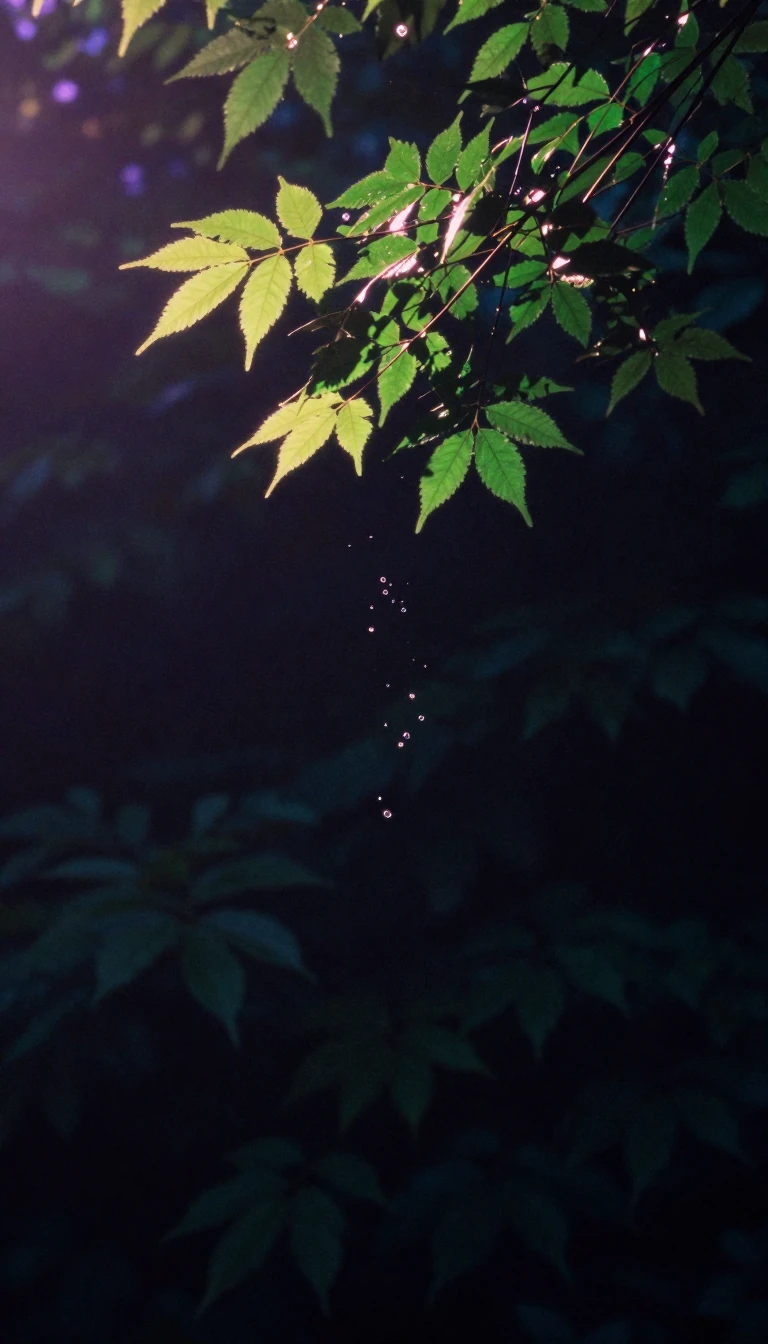
In short: Leaves use light energy to turn carbon dioxide and water into sugar, releasing oxygen.
1. Chlorophyll, the green pigment in leaves, absorbs light energy. 2. Carbon dioxide from the air enters the leaf through tiny pores called stomata. 3. Water is carried up from the roots to the leaves. 4. The light's energy turns carbon dioxide and water into sugars such as glucose. 5. Oxygen is released into the air as a by-product.
Sources: Wikipedia, “Photosynthesis (Wikipedia)” (CC BY-SA 4.0); Wikipedia, “Stomata (Wikipedia)” (CC BY-SA 4.0); Wikipedia, “Xylem (Wikipedia)” (CC BY-SA 4.0). Illustrative, not to scale.
Opens the Intellect+ feed with this card first. Swipe up for the next one.
Sources
- Summary by Intellect · source: Photosynthesis
- Also: Wikipedia: Stomata (Wikipedia) · CC BY-SA 4.0
- Also: Xylem
To cite this card, link to https://intellectplus.co.uk/app/how-photosynthesis-works.
How we source, check and correct cards: Editorial standards.
General information, not professional advice. Spotted an error? Flag the card or see corrections and complaints.
Intellect Plus is a visual educational discovery platform for exploring fascinating facts and ideas. Brain Food, Not Brain Rot. What is Intellect Plus?
Related
More in Science · Latest · A–Z · All topics
