Aśvaghoṣa: The Indian poet whose verses were so profound they entranced even horses
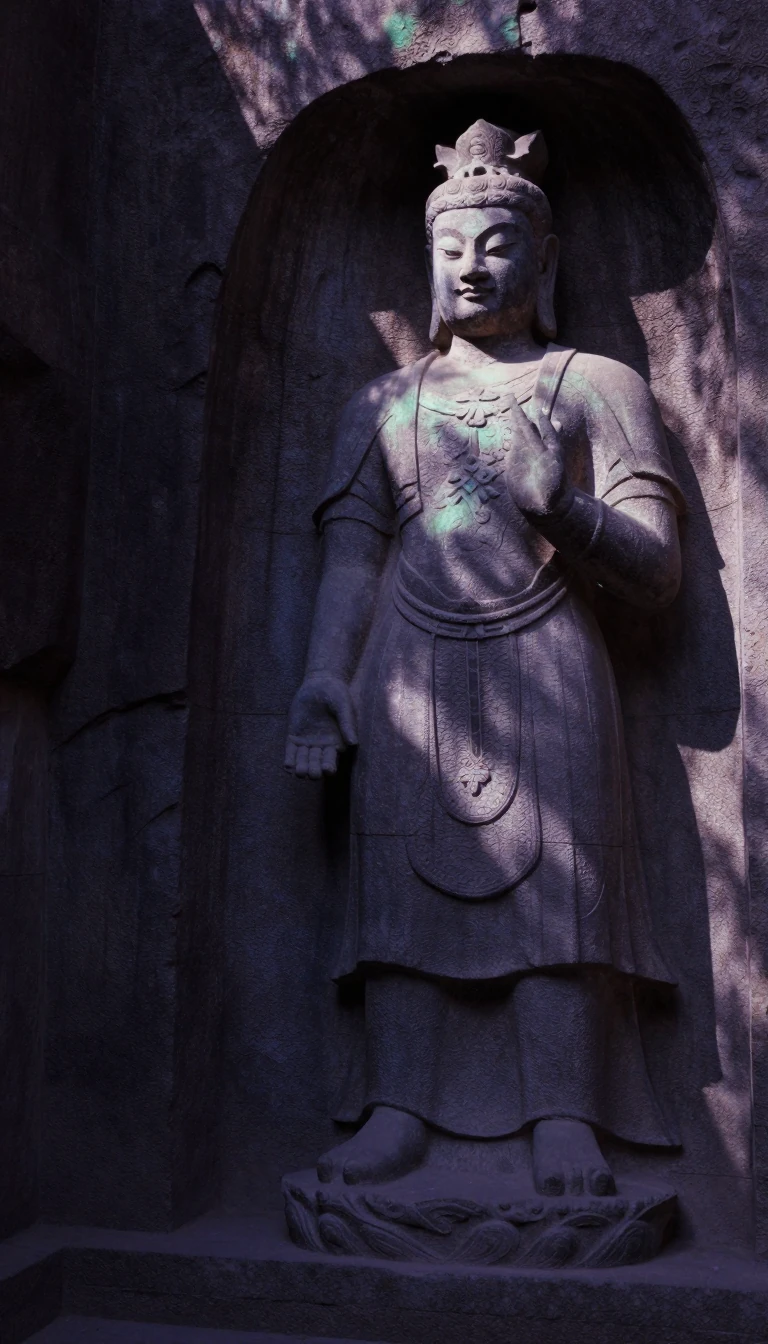
In short: Aśvaghoṣa was a legendary Indian poet and dramatist who lived around the 2nd century CE. Renowned as the greatest Sanskrit poet before Kālidāsa, his influence spanned from India to the South Sea islands. His name, meaning Horse-Cry, reflects the mythic power attributed to his voice and his spiritual mastery.
Born in Ayodhya, Aśvaghoṣa was a wandering ascetic before his conversion to Buddhism. According to tradition, he was a formidable debater who challenged Buddhist monks until he met the elder Pārśva. After losing a debate regarding the nature of peace and prosperity, he became a monk. His reputation grew so immense that a Kuṣāna king reportedly demanded him as part of a tribute payment, valuing the monk at 100,000 gold pieces. Legend claims that when he preached, even starving horses were so moved by his words that they listened with tears in their eyes, earning him his famous moniker.
Aśvaghoṣa was a prolific writer in Classical Sanskrit, a shift from the Pāli and Prakrit traditions that dominated earlier Buddhist literature. His epic, Buddhacharita, was widely read across India and Southeast Asia for its ability to condense complex doctrine into elegant, compact verse. He also authored Saundarananda, which explores the conversion of the Buddha's half-brother, Nanda, and fragments of his dramatic work, Śāriputraprakaraṇa, have survived. These works cemented his status as a central figure in Buddhist court literature.
While his legacy is immense, his authorship of several texts remains a subject of scholarly debate. For instance, while he was long credited with the influential East Asian text The Awakening of Faith in the Mahayana, modern research suggests it was composed in China. Conversely, his authorship of the Vajrasuchi—a sharp critique of caste and Vedic inequity—has been a focus of Western scholarship since Brian Houghton Hodgson published a translation in 1835. Today, researchers continue to analyze his kavya poems to determine his precise philosophical affiliations, which may include the Yogacara or Sautrantika schools.
Opens the Intellect+ feed with this card first. Swipe up for the next one.
Sources
- Summary by Intellect · source: Aśvaghoṣa
To cite this card, link to https://intellectplus.co.uk/app/ideas-a-vagho-a.
How we source, check and correct cards: Editorial standards.
General information, not professional advice. Spotted an error? Flag the card or see corrections and complaints.
Intellect Plus is a visual educational discovery platform for exploring fascinating facts and ideas. Brain Food, Not Brain Rot. What is Intellect Plus?
Related
More in Writers · More in Ideas & Philosophy · Latest · A–Z · All topics
