What if the ultimate reality is not a thing, but a self-knowing activity?
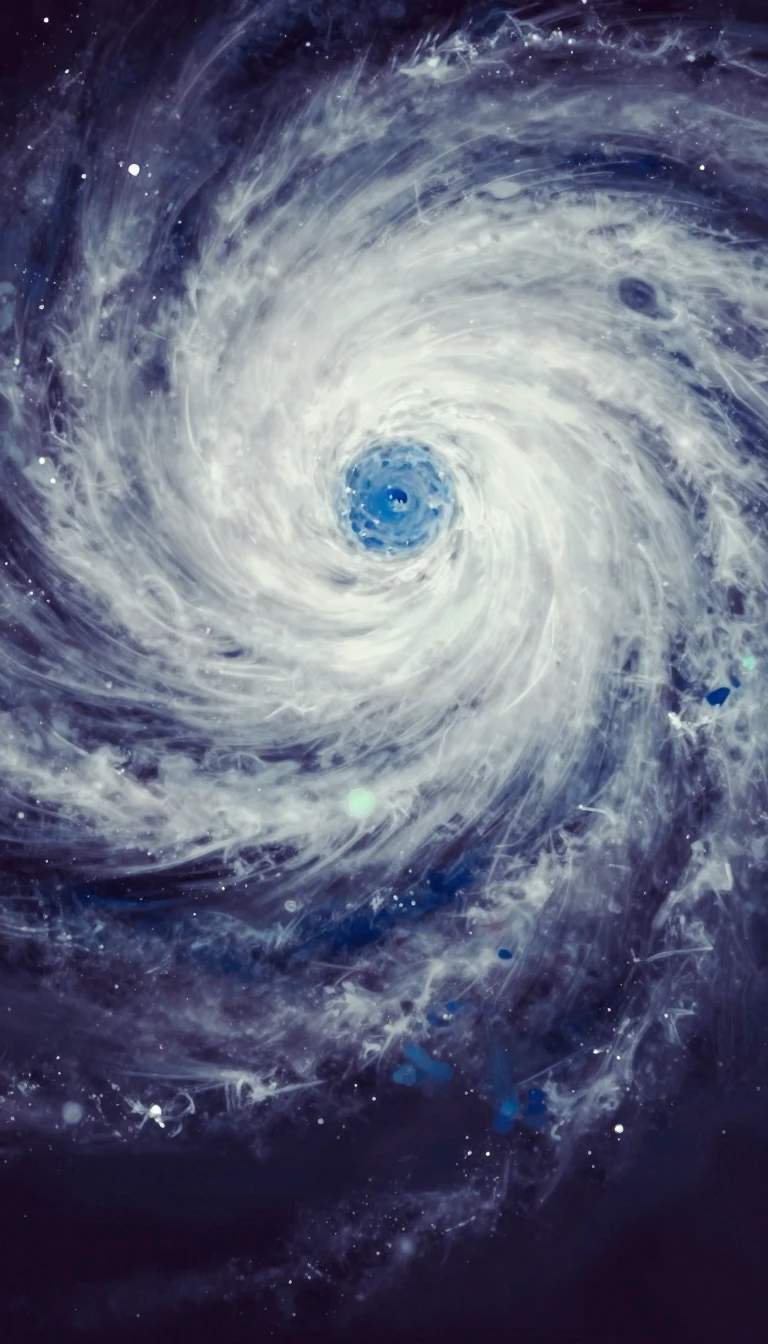
In short: The Absolute is a philosophical heavyweight, representing a reality that is perfectly self-sufficient and free from all external conditions. While often associated with the divine, this concept spans from ancient Indian metaphysics to German idealism, challenging our understanding of whether truth is an objective anchor or a subjective human creation.
Derived from the Latin absolutus, meaning detached or unrestricted, the Absolute signifies a reality that transcends contingency. In Hindu thought, Adi Shankara identified this as Brahman, an unchanging, non-dual ground of existence, while Jainism famously countered such claims with Anekantavada, the doctrine that all truth is relative. Across mystical traditions, from Sufism’s Unity of Being to the Zen experience of satori, the Absolute is frequently described as an ineffable state where the boundaries between the self and the universe dissolve.
In Western philosophy, the term is often mistakenly tethered solely to G.W.F. Hegel, though it appeared earlier in the work of Nicholas of Cusa. Hegel’s interpretation, influenced by Fichte and Schelling, reframed the Absolute not as a static object, but as an activity. According to scholars like Allegra de Laurentiis and Michael Inwood, Hegel viewed the Absolute as a process of 'absolute knowing,' where the subject and object of experience become one. This self-conditioned spirit reaches its peak through art, religion, and philosophy, functioning as a system that is complete in itself.
The concept has faced significant pushback. Søren Kierkegaard argued that the pursuit of an abstract Absolute threatens the integrity of personal faith, insisting that truth is fundamentally subjective. Friedrich Nietzsche took a more radical stance, using the 'death of God' to signal the collapse of metaphysical absolutes, urging humanity to forge its own values instead. Whether viewed as the ultimate ground of being or a dangerous illusion, the Absolute remains a central pivot point for debates on the nature of reality, knowledge, and the limits of human intellect.
Opens the Intellect+ feed with this card first. Swipe up for the next one.
Sources
- Summary by Intellect · source: Absolute (philosophy)
To cite this card, link to https://intellectplus.co.uk/app/ideas-absolute-philosophy.
How we source, check and correct cards: Editorial standards.
General information, not professional advice. Spotted an error? Flag the card or see corrections and complaints.
Intellect Plus is a visual educational discovery platform for exploring fascinating facts and ideas. Brain Food, Not Brain Rot. What is Intellect Plus?
Related
More in Philosophy · More in Ideas & Philosophy · Latest · A–Z · All topics
