Ananda Coomaraswamy: The polymath who decoded the universal language of ancient human tradition
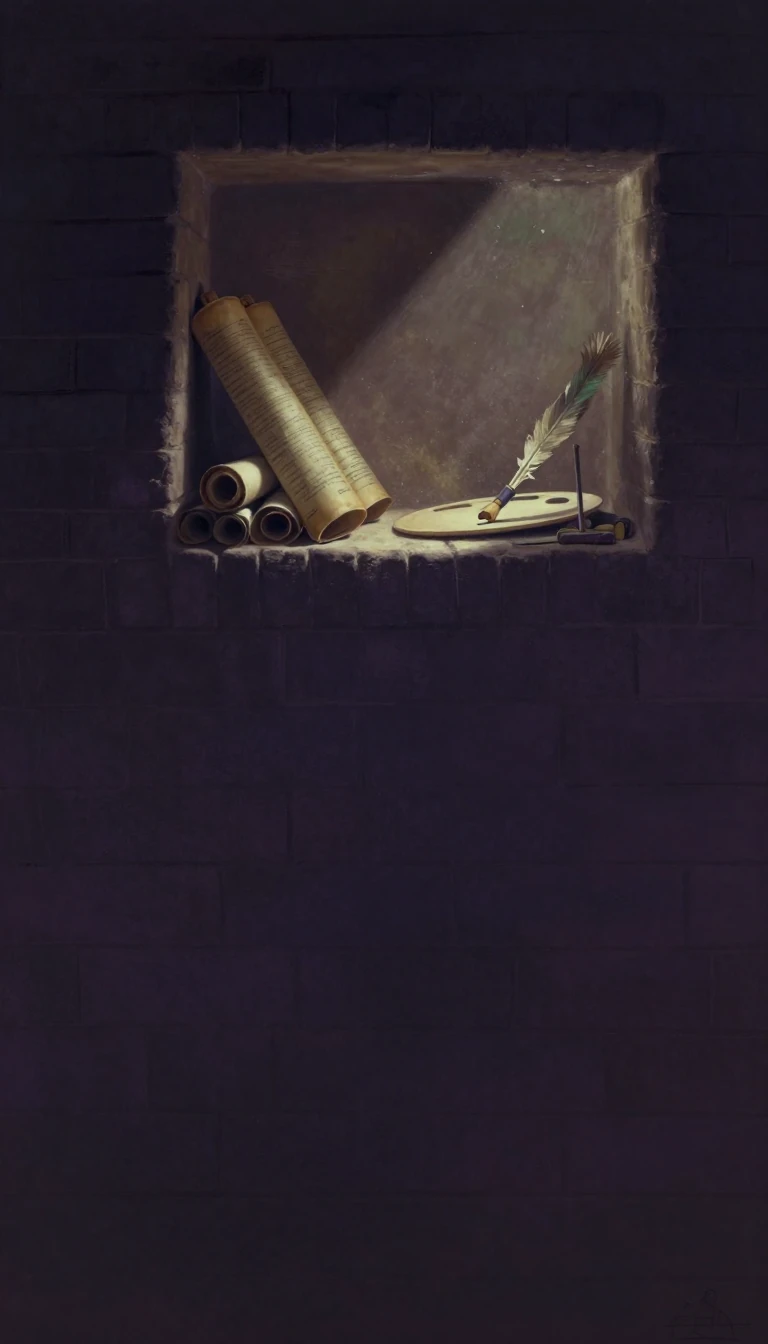
In short: Born in Ceylon and educated in London, Ananda Coomaraswamy became a bridge between Eastern metaphysics and Western art history. He challenged modern academic silos, arguing that ancient symbols were not mere artifacts but a coherent, universal language of human wisdom that we have largely forgotten how to read today.
Ananda Coomaraswamy (1877–1947) was a singular intellectual force who spent his life documenting the continuity of human culture. Trained as a geologist and botanist at University College London, he eventually pivoted to art history and metaphysics. His work was defined by a radical comparative method, which sought to identify the 'bedrock of tradition'—a set of universal doctrines handed down from prehistoric times, transcending racial and national boundaries.
Coomaraswamy’s career was marked by a persistent critique of Western academic specialization. He argued that modern scholars, obsessed with categorization and progress, often failed to grasp the metaphysical depth of non-literate cultures. He famously clashed with the academic establishment, asserting that symbols were meant to convey objective ideas rather than subjective emotions. For Coomaraswamy, the evolution of art from abstract, symbolic representations of the divine toward sentimental, human-centered portraiture represented a 'gradual decay' in human understanding.
His influence was profound, particularly in his role at the Boston Museum of Fine Arts, where he established the first major American collection of Indian art. Beyond his curatorial work, he was a founder of the Traditionalist School, deeply influenced by René Guénon. He possessed a staggering linguistic range, reading Sanskrit, Pali, Greek, Latin, and Persian to trace themes like the 'Water Cosmology' or the 'Coincidence of Opposites' across disparate civilizations. He viewed science and metaphysics not as enemies, but as complementary lenses for viewing reality.
Ultimately, Coomaraswamy’s legacy is a challenge to the modern mind. He insisted that the 'folk' preserved ancient wisdom without fully understanding it, and that it was the scholar's duty to recover these meanings. By treating folklore, myth, and scripture as a unified field of study, he provided a framework for seeing the world as a singular, interconnected tapestry of meaning, rather than a collection of isolated historical accidents.
Opens the Intellect+ feed with this card first. Swipe up for the next one.
Sources
- Summary by Intellect · source: Ananda Coomaraswamy
To cite this card, link to https://intellectplus.co.uk/app/ideas-ananda-coomaraswamy.
How we source, check and correct cards: Editorial standards.
General information, not professional advice. Spotted an error? Flag the card or see corrections and complaints.
Intellect Plus is a visual educational discovery platform for exploring fascinating facts and ideas. Brain Food, Not Brain Rot. What is Intellect Plus?
Related
More in Philosophers · More in Ideas & Philosophy · Latest · A–Z · All topics
