Why the weight of your freedom is the source of your deepest anxiety
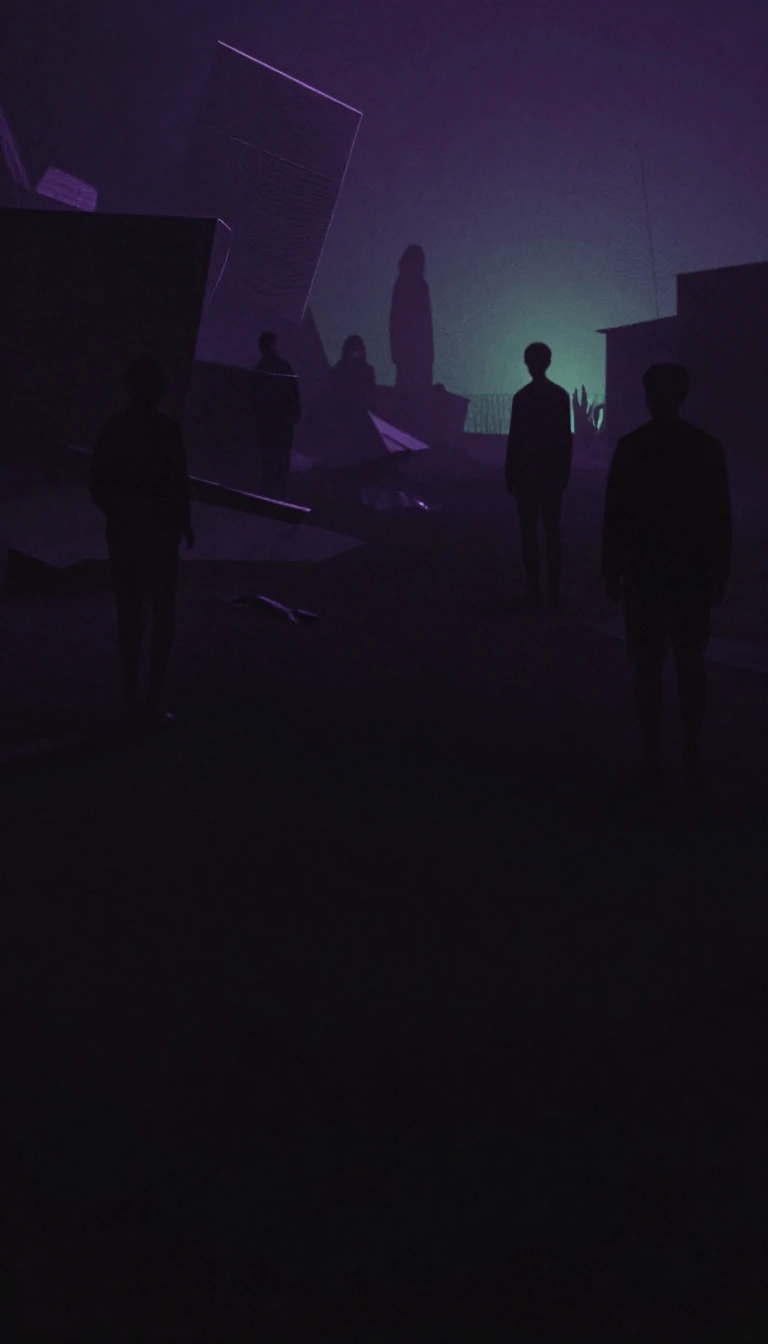
In short: Angst is more than simple worry; it is the specific, heavy realization of human liberty. While animals follow instinct, humans face the terrifying burden of choosing their own path. This profound sense of dread, rooted in the awareness of our own undefined possibilities, has shaped philosophy, music, and culture.
The term angst traces back to the Proto-Indo-European root *anghu-, meaning restraint, and shares linguistic ancestors with words for choking or strangling. While it entered English in the 19th century as a psychiatric term, its philosophical weight was established by the Danish thinker Søren Kierkegaard. Writing between 1813 and 1855, Kierkegaard identified angst as the dizzying sensation of recognizing one's own freedom. Unlike other creatures governed by biological drives, humans possess the power to choose, a capacity that is simultaneously attractive and paralyzing. This existential weight stems from the immense responsibility of navigating life's open-ended potential.
This concept evolved significantly through the work of later existentialist thinkers. While Kierkegaard primarily framed this anxiety within the context of religious belief and moral agency, subsequent philosophers expanded the discourse. Figures like Friedrich Nietzsche, Jean-Paul Sartre, and Martin Heidegger adapted the idea to address broader conflicts between individual principles, societal expectations, and the experience of existential despair. Their contributions transformed angst from a specific religious concern into a foundational element of modern human experience, reflecting the tension between personal autonomy and the pressures of the external world.
By the 20th century, this internal turmoil began to permeate the arts. Classical composers like Gustav Mahler, Richard Strauss, and Dmitri Shostakovich channeled these themes into their work, often reflecting the instability of a war-torn era. By the mid-1950s, the term migrated into popular culture, fueled by anxieties over nuclear proliferation and international conflict. From the folk protest music of the 1960s to the later expressions of nihilism and melancholy found in punk, grunge, and emo, angst has become a defining lens through which we interpret our collective unease. It remains a testament to the enduring struggle of living with the weight of our own choices.
Opens the Intellect+ feed with this card first. Swipe up for the next one.
Sources
- Summary by Intellect · source: Angst
To cite this card, link to https://intellectplus.co.uk/app/ideas-angst.
How we source, check and correct cards: Editorial standards.
General information, not professional advice. Spotted an error? Flag the card or see corrections and complaints.
Intellect Plus is a visual educational discovery platform for exploring fascinating facts and ideas. Brain Food, Not Brain Rot. What is Intellect Plus?
Related
More in Psychology · More in Ideas & Philosophy · Latest · A–Z · All topics
