Why some philosophers argue that the concept of humanity is a dangerous illusion
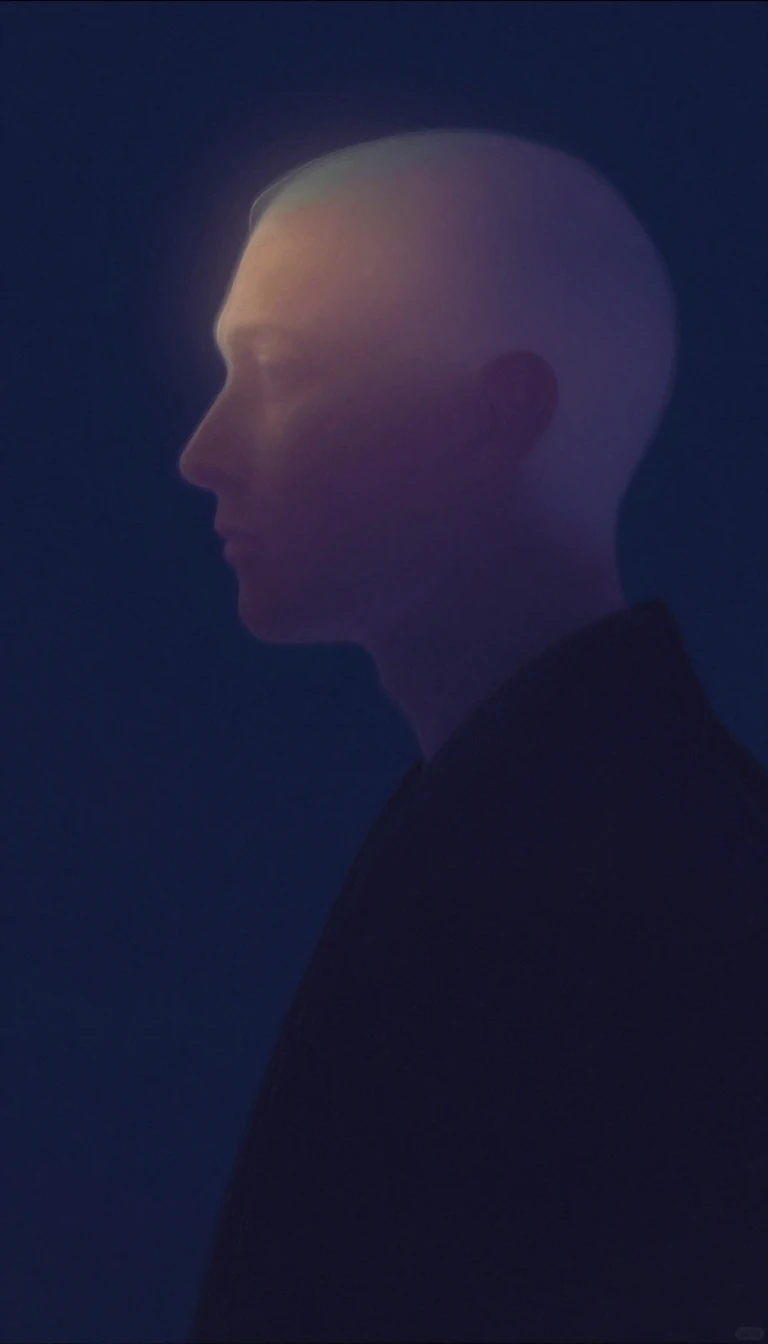
In short: Antihumanism challenges the Enlightenment belief that humans are autonomous, rational agents with a universal moral core. Instead, thinkers in this tradition suggest that our sense of self is merely a product of social, linguistic, and historical forces, rendering the traditional idea of the individual a fragile, ideological construct.
Antihumanism emerged as a critique of Enlightenment humanism, which positioned human consciousness, agency, and responsibility at the center of history. While liberal thinkers like Immanuel Kant viewed reason as a path to universal freedom, critics argued this framework was over-idealistic. Friedrich Nietzsche famously dismissed humanism as a secularized form of theism, suggesting that moral concepts like human rights were merely tools used by the weak to restrain the strong, rather than instruments of genuine emancipation.
In the 20th century, this skepticism deepened through structuralism and psychoanalysis. Claude Levi-Strauss famously aimed to dissolve the concept of man, viewing cultural choices as pre-constrained by signifying systems rather than individual creativity. Similarly, Jacques Lacan argued that the ego is a fiction, claiming that individuals only become human by submitting to a cultural order known as The Symbolic. For these thinkers, language and social structures precede the subject; we are not the authors of our own discourse, but rather effects of systems we do not control.
Political critiques, particularly from Marxist thinkers like Louis Althusser, further challenged the humanist subject. Althusser argued that humanism masks the reality of class conflict by promoting abstract notions of equality that permit material inequality to persist. He viewed history as a process without a subject, where individuals are merely supports for social relations. Michel Foucault extended this by analyzing how institutions construct categories like criminality and sexuality, arguing that modern values often pair increased freedom with new forms of disciplinary control.
While some critics view this perspective as bleakly deterministic, others argue that recognizing these forces is the only path to true awareness. By dismantling the metaphysical assumption of a universal human essence, antihumanism seeks to expose the power dynamics that shape our beliefs, desires, and identities. It remains a provocative challenge to the idea that we are masters of our own minds, suggesting instead that our perceived autonomy is a byproduct of the very structures we inhabit.
Opens the Intellect+ feed with this card first. Swipe up for the next one.
Sources
- Summary by Intellect · source: Antihumanism
To cite this card, link to https://intellectplus.co.uk/app/ideas-antihumanism.
How we source, check and correct cards: Editorial standards.
General information, not professional advice. Spotted an error? Flag the card or see corrections and complaints.
Intellect Plus is a visual educational discovery platform for exploring fascinating facts and ideas. Brain Food, Not Brain Rot. What is Intellect Plus?
Related
More in Philosophers · More in Ideas & Philosophy · Latest · A–Z · All topics
