The ancient scholar whose greatest work is a famous case of mistaken identity
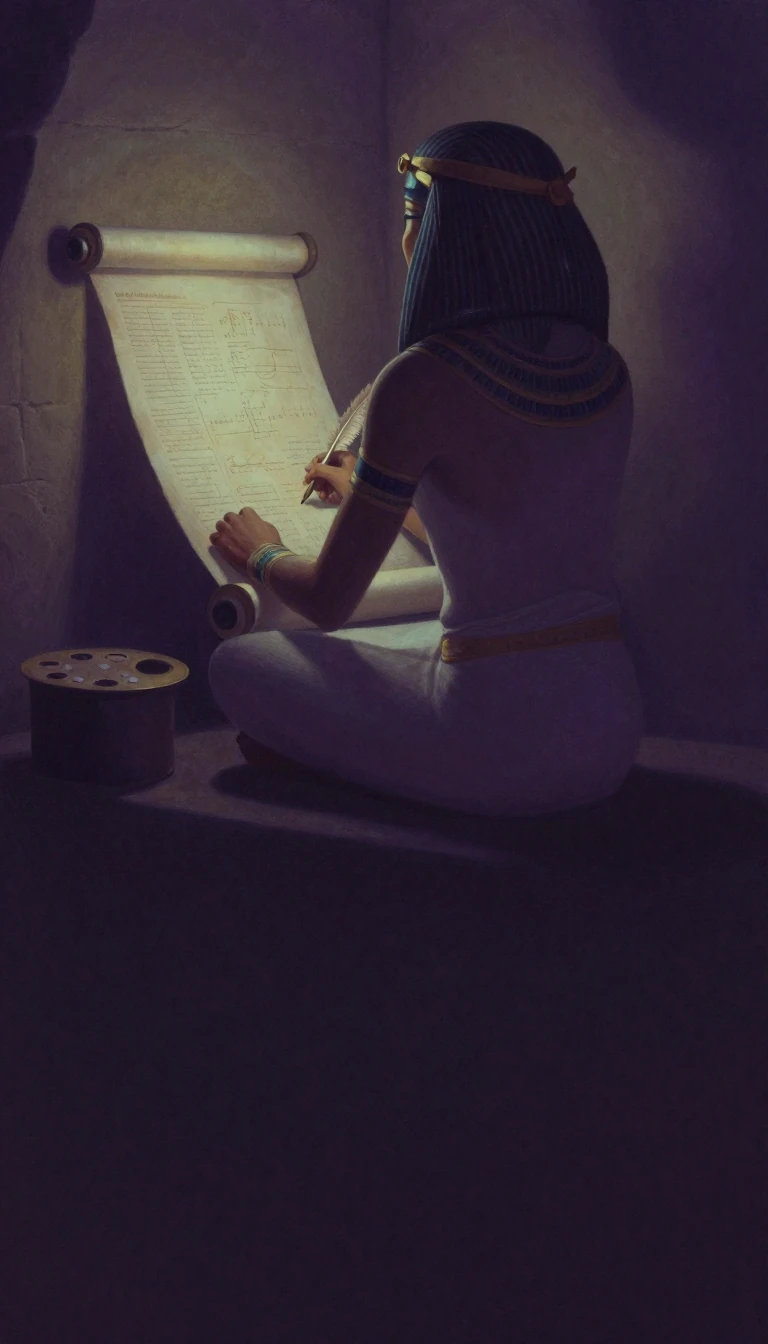
In short: Apollodorus of Athens was a brilliant grammarian and historian whose own writings are largely lost. Yet, he remains a household name in mythology, thanks to a massive encyclopedia he never actually wrote. Discover why this ancient scholar became the victim of history’s most enduring case of literary misattribution.
Born around 180 BC, Apollodorus of Athens was a polymath who studied under the Stoic Panaetius and the famed grammarian Aristarchus of Samothrace. After leaving Alexandria around 146 BC—possibly fleeing political instability—he settled in Athens. His intellectual output was vast, ranging from a history of the gods to a meticulous analysis of Homeric geography, which later became a foundational source for the geographer Strabo.
His most ambitious project was the Chronika, a massive history written in verse that spanned from the fall of Troy to the second century BC. By anchoring his timeline to the annual succession of Athenian archons, Apollodorus created a precise chronological framework that allowed later scholars to map ancient history with unprecedented accuracy. This work, dedicated to King Attalus II Philadelphus of Pergamon, cemented his reputation as a premier historian of the Hellenistic world.
Despite his genuine contributions, Apollodorus is perhaps best known today for the Bibliotheca, a comprehensive encyclopedia of Greek mythology. For centuries, this work was attributed to him, but modern scholarship has debunked this connection. The text references Castor the Annalist, a contemporary of Cicero who lived well after Apollodorus. Consequently, the true author is now relegated to the title of 'Pseudo-Apollodorus,' a ghost writer whose work eclipsed the real scholar's legacy.
The confusion surrounding his bibliography is a testament to his immense influence. Because his name became synonymous with authoritative scholarship, many later writers attached his identity to their own works to gain legitimacy. While his original prose on the gods and his critical essays on poets like Epicharmus have vanished, the shadow of his name persists, illustrating how the reputation of a great mind can sometimes outlive the very texts that created it.
Opens the Intellect+ feed with this card first. Swipe up for the next one.
Sources
- Summary by Intellect · source: Apollodorus of Athens
To cite this card, link to https://intellectplus.co.uk/app/ideas-apollodorus-of-athens.
How we source, check and correct cards: Editorial standards.
General information, not professional advice. Spotted an error? Flag the card or see corrections and complaints.
Intellect Plus is a visual educational discovery platform for exploring fascinating facts and ideas. Brain Food, Not Brain Rot. What is Intellect Plus?
Related
More in Philosophers · More in Ideas & Philosophy · Latest · A–Z · All topics
