How a tenth-century archbishop saved the lost wisdom of the ancient world
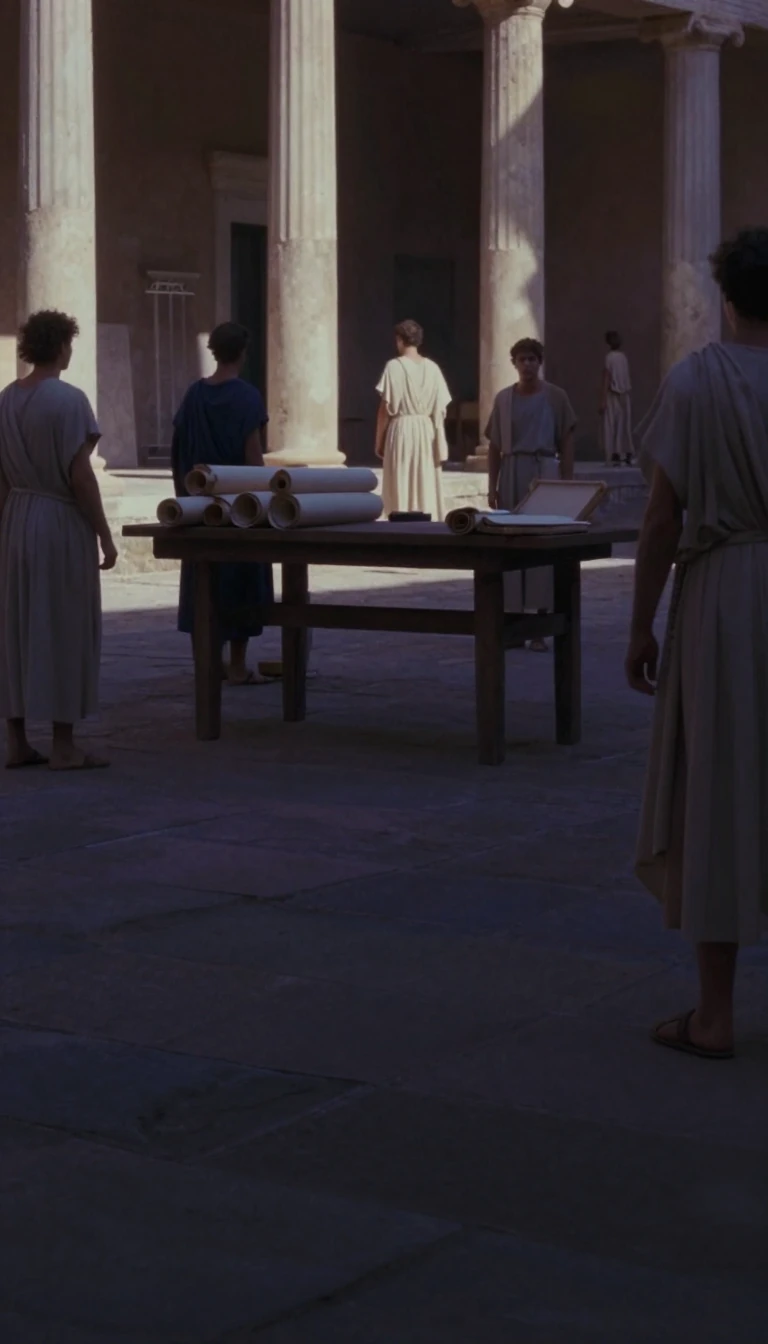
In short: Arethas of Caesarea was a theologian, but his true legacy lies in his obsession with the past. By commissioning copies of ancient manuscripts, he ensured that works by Plato, Euclid, and Marcus Aurelius survived the Middle Ages. Without his scholarly intervention, our modern understanding of classical antiquity would be significantly diminished.
Born in Patras around 860, Arethas rose to become the Archbishop of Caesarea in 903. While he was a prominent figure in the Byzantine Church and deeply entangled in the court politics of Emperor Leo VI, his historical importance is defined by his role as a bibliophile and preservationist. He was a student of Photius at the University of Constantinople, where he developed a profound appreciation for both classical Greek literature and the foundational texts of Christian theology.
Arethas is perhaps most famous for his role in preserving the Meditations of Marcus Aurelius. His writings contain the earliest known references to the work, and he is credited with reintroducing the Roman emperor's philosophy into public discourse. Beyond this, his influence is embedded in the physical survival of ancient thought. He commissioned the copying of the Codex Oxoniensis Clarkianus 39, a vital manuscript of Plato, and oversaw the creation of the Arethas Codex, which preserved the writings of numerous ante-Nicene Greek Christian apologists. His efforts also extended to the works of Euclid, Lucian, and Aelius Aristides.
The legacy of Arethas has not been without controversy. In the 20th century, the Byzantine scholar Romilly Jenkins offered a scathing assessment of his character, describing him as unscrupulous and morbidly ambitious. Furthermore, for centuries, historians mistakenly believed there were two separate figures named Arethas, attributing the commentary on the Apocalypse to an earlier archbishop from around 540. Modern scholarship has corrected this, confirming that a single, complex individual was responsible for these contributions. Whether viewed as a saintly scholar or a flawed political actor, Arethas remains a critical bridge between the ancient world and the modern intellectual tradition, ensuring that the voices of the past were not lost to the ravages of time.
Opens the Intellect+ feed with this card first. Swipe up for the next one.
Sources
- Summary by Intellect · source: Arethas of Caesarea
To cite this card, link to https://intellectplus.co.uk/app/ideas-arethas-of-caesarea.
How we source, check and correct cards: Editorial standards.
General information, not professional advice. Spotted an error? Flag the card or see corrections and complaints.
Intellect Plus is a visual educational discovery platform for exploring fascinating facts and ideas. Brain Food, Not Brain Rot. What is Intellect Plus?
Related
More in Philosophers · More in Ideas & Philosophy · Latest · A–Z · All topics
