How a cartoonist transformed the Holocaust into a Pulitzer-winning graphic novel
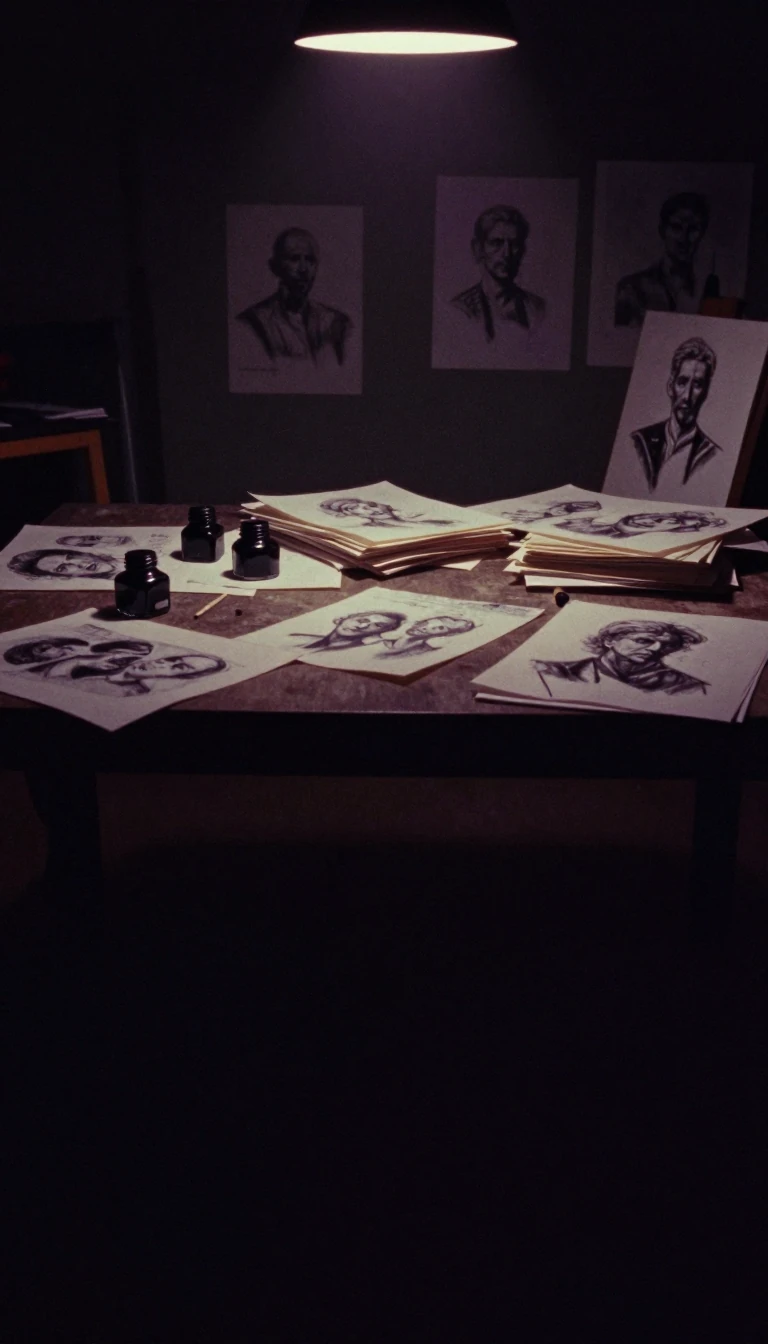
In short: Art Spiegelman turned the medium of comics into a serious literary form. By depicting the Holocaust through the lens of animal archetypes, he created Maus, a masterpiece that bridged the gap between underground counterculture and mainstream recognition, forever changing how we perceive the potential of the graphic novel.
Born in 1948 to Holocaust survivors, Art Spiegelman grew up in the shadow of his parents' trauma and the ghost of his older brother, Rysio, who died during the war. This complex family history became the bedrock of his most famous work, Maus. In 1972, while contributing to the anthology Funny Aminals, Spiegelman conceived the idea of using animal metaphors to process the Holocaust: Jews as mice, Nazis as cats, Poles as pigs, and Americans as dogs. The project, which he spent 13 years completing, was serialized in the avant-garde magazine Raw before being published in two volumes in 1986 and 1991.
Spiegelman’s career was defined by a relentless drive to push the boundaries of comics. After cutting his teeth at Topps in the 1960s—where he co-created the Wacky Packages and Garbage Pail Kids trading cards—he became a central figure in the underground comix scene. His work often blended formal experimentation with raw autobiography, most notably in 'Prisoner on the Hell Planet,' a stark, expressionistic strip about his mother’s suicide. Alongside his wife, Françoise Mouly, he edited the influential magazine Raw from 1980 to 1991, which served as a vital platform for avant-garde artists and helped introduce international talent to English-speaking audiences.
Beyond his own creative output, Spiegelman has been a fierce advocate for comics literacy. His tenure at The New Yorker, beginning in 1992, brought his provocative style to a wider public, though he eventually left in 2003, citing frustration with the media's conformism following the September 11 attacks. His response to that tragedy, In the Shadow of No Towers, reflected his continued commitment to using comics as a vehicle for political and personal reflection. Today, Spiegelman is recognized not just as a cartoonist, but as a pivotal figure who forced the literary world to take the medium of comics seriously.
Opens the Intellect+ feed with this card first. Swipe up for the next one.
Sources
- Summary by Intellect · source: Art Spiegelman
To cite this card, link to https://intellectplus.co.uk/app/ideas-art-spiegelman.
How we source, check and correct cards: Editorial standards.
General information, not professional advice. Spotted an error? Flag the card or see corrections and complaints.
Intellect Plus is a visual educational discovery platform for exploring fascinating facts and ideas. Brain Food, Not Brain Rot. What is Intellect Plus?
Related
More in Writers · More in Ideas & Philosophy · Latest · A–Z · All topics
