Are sacred stones just rocks, or are they physical houses for the divine?
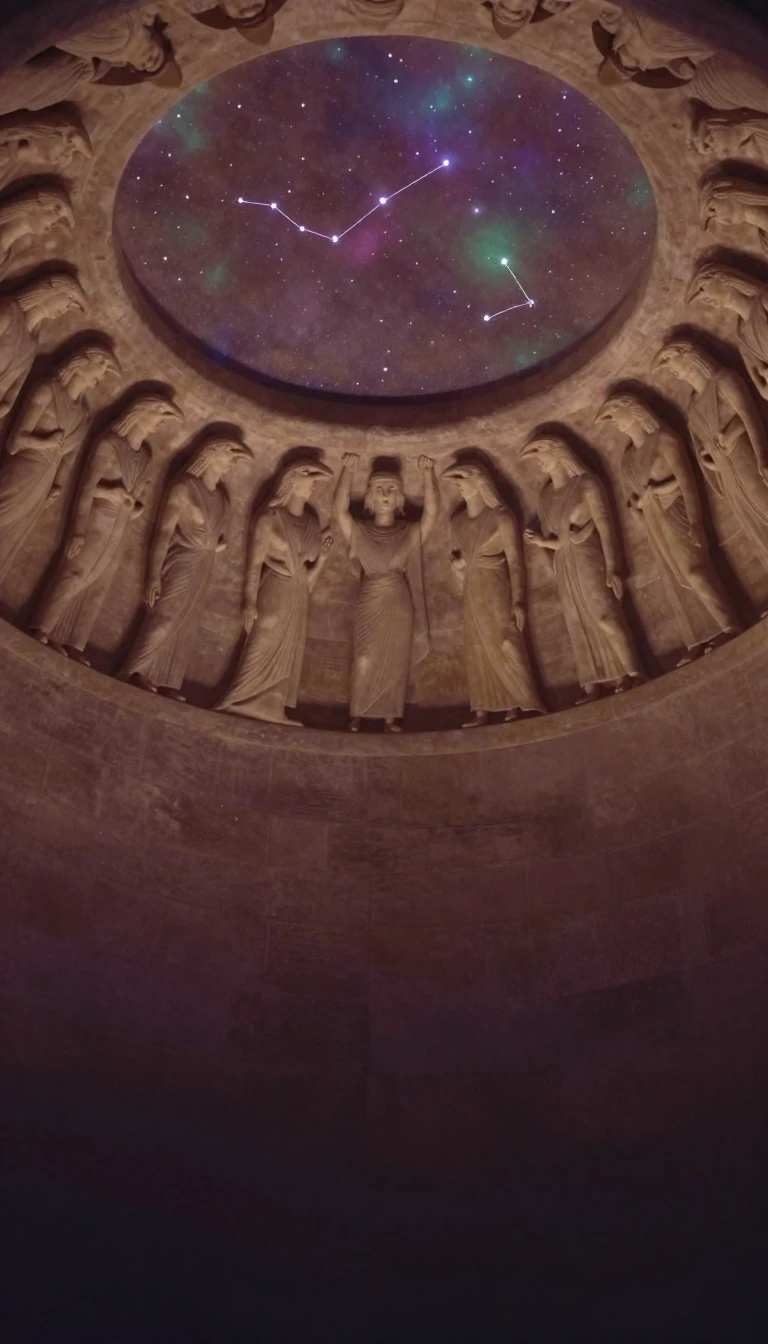
In short: Ancient cultures from the Near East to Rome venerated baetyls—sacred stones believed to house deities. Often linked to meteorites falling from the sky, these objects were not mere idols but conduits for the divine. Yet, modern scholars warn that we may be projecting our own definitions onto these ancient mysteries.
The term baetyl originates from the Semitic 'beth-el', meaning 'house of god'. While modern writers often use the word as a catch-all for any cultic stone, historians argue this generalization ignores the specific, varied roles these objects played in antiquity. In the ancient Near East, such as in Mari or Ugarit, stones like the 'sikkanum' were central to cultic ceremonies, yet they were distinct from the later, more specific Greek concept of the 'baitylos'.
In Greek mythology, the most famous baetyl is the Omphalos at Delphi, the stone Cronus allegedly swallowed in place of his son Zeus. Philo of Byblos later popularized the idea that these stones were meteorites, 'rained from heaven' by the god Ouranos. This celestial origin story became a common mythological etiology, blending the Semitic concept of a divine dwelling with the Greek fascination for supernatural, sky-fallen objects.
The Roman era saw these traditions collide. In 204 BC, the stone effigy of Cybele was brought to Rome, and later, the emperor Elagabalus—a hereditary high priest from Syria—brought his god's conical meteorite to Rome, constructing the Elagabalium to house it. Even as paganism declined, these stones remained potent symbols, frequently targeted by ecclesiastical writers who recognized their enduring religious significance.
Today, scholars caution against assuming every standing stone or pillar was a 'baetyl'. The biblical account of Jacob at Bethel, for instance, describes a pillar as a memorial rather than a vessel for a deity's presence. By applying the term too broadly, we risk obscuring the nuanced, localized practices of ancient peoples who viewed these stones not just as objects, but as active participants in their religious lives.
Opens the Intellect+ feed with this card first. Swipe up for the next one.
Sources
- Summary by Intellect · source: Baetyl
To cite this card, link to https://intellectplus.co.uk/app/ideas-baetyl.
How we source, check and correct cards: Editorial standards.
General information, not professional advice. Spotted an error? Flag the card or see corrections and complaints.
Intellect Plus is a visual educational discovery platform for exploring fascinating facts and ideas. Brain Food, Not Brain Rot. What is Intellect Plus?
Related
More in Greek mythology · More in Ideas & Philosophy · Latest · A–Z · All topics
