How a 1989 blockbuster redefined the superhero genre through grit and architectural chaos.
In short: When Tim Burton cast Michael Keaton as Batman, fans sent 50,000 protest letters. They feared a campy 1960s throwback, not the dark, serious vision Burton and designer Anton Furst were building. By blending clashing architectural styles and a brooding, average-sized hero, they created a blueprint that forever changed Hollywood's superhero marketing.
The 1989 Batman film emerged from a decade-long struggle to adapt the character for the screen. Producers Benjamin Melniker and Michael E. Uslan purchased the rights in 1979, aiming for a dark, serious tone that honored the 1939 origins. After years of rejection by studios wanting a campy revival, Warner Bros. finally greenlit the project following the success of Tim Burton's 1988 film, Beetlejuice. The production was marked by intense secrecy and a budget that ballooned from $30 million to $48 million.
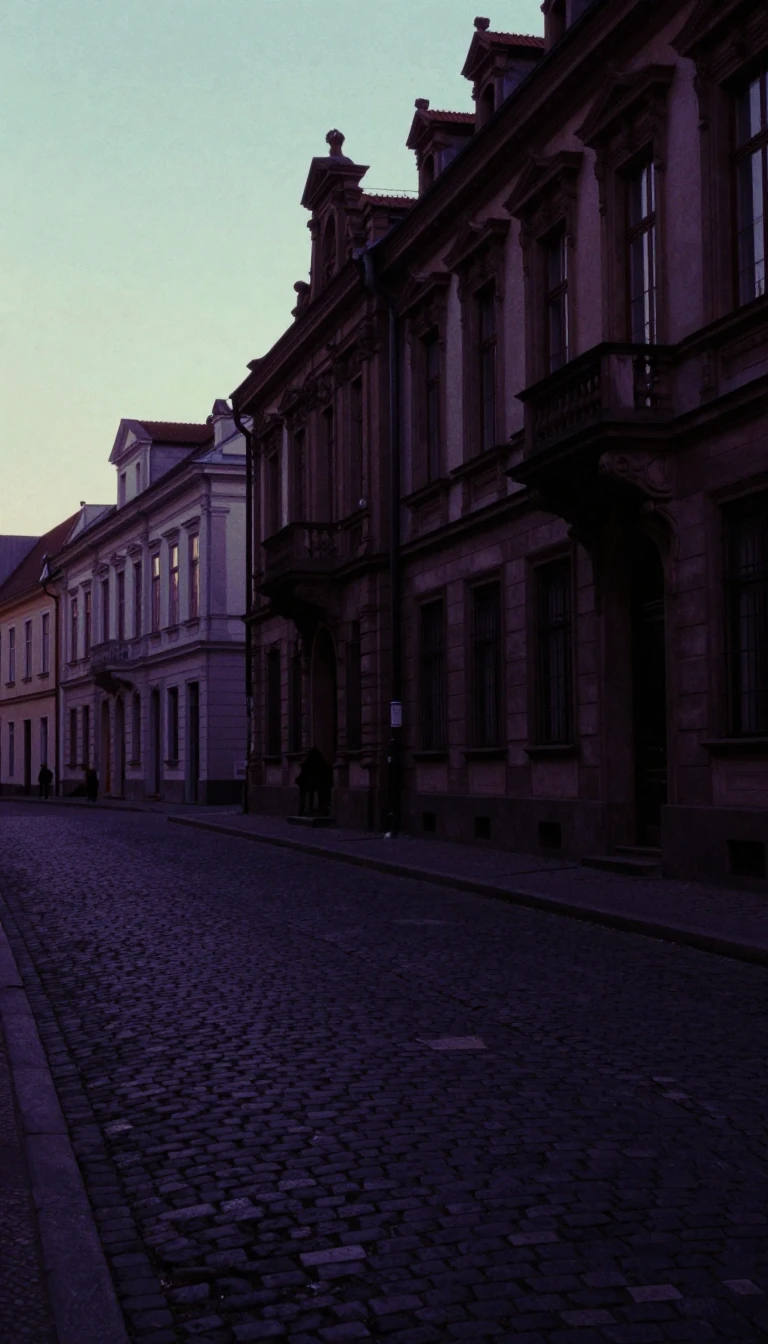
Central to the film's identity was its visual language. Production designer Anton Furst sought to make Gotham City an 'essay in ugliness,' mixing clashing architectural styles as if hell had erupted through the pavement. This aesthetic, influenced by the 1985 film Brazil, provided a bleak backdrop for the conflict between Batman and the Joker. The production utilized 18 sound stages at Pinewood Studios, including a massive 51-acre backlot, and reused sets from the 1986 film Aliens to construct the Axis Chemicals facility.
The casting of Jack Nicholson as the Joker was a studio priority, secured through a lucrative contract that included a portion of film earnings and merchandise, potentially netting him up to $90 million. In contrast, Michael Keaton's casting was highly controversial. To overcome his comedic reputation, Keaton developed a lower vocal register for Batman, a technique later adopted by Christian Bale. Despite the initial backlash, the film was a massive success, earning over $400 million and winning an Academy Award for Best Art Direction, ultimately launching a franchise and influencing modern superhero development.
The film's development was also shaped by external pressures, including the 1988 Writers Guild of America strike, which forced screenwriter Sam Hamm to step aside for rewrites by Warren Skaaren and others. While the film diverged from comic book lore—notably by having Batman inadvertently create the Joker—it drew significant inspiration from the dark tones of The Killing Joke and The Dark Knight Returns, cementing a shift toward the serious, gritty superhero narratives that dominate cinema today.
Opens the Intellect+ feed with this card first. Swipe up for the next one.
Sources
- Summary by Intellect · source: Batman (1989 film)
To cite this card, link to https://intellectplus.co.uk/app/ideas-batman-1989-film.
How we source, check and correct cards: Editorial standards.
General information, not professional advice. Spotted an error? Flag the card or see corrections and complaints.
Intellect Plus is a visual educational discovery platform for exploring fascinating facts and ideas. Brain Food, Not Brain Rot. What is Intellect Plus?
Related
More in Writers · More in Ideas & Philosophy · Latest · A–Z · All topics
