Can we reclaim our humanity from the digital machines that shape our desires?
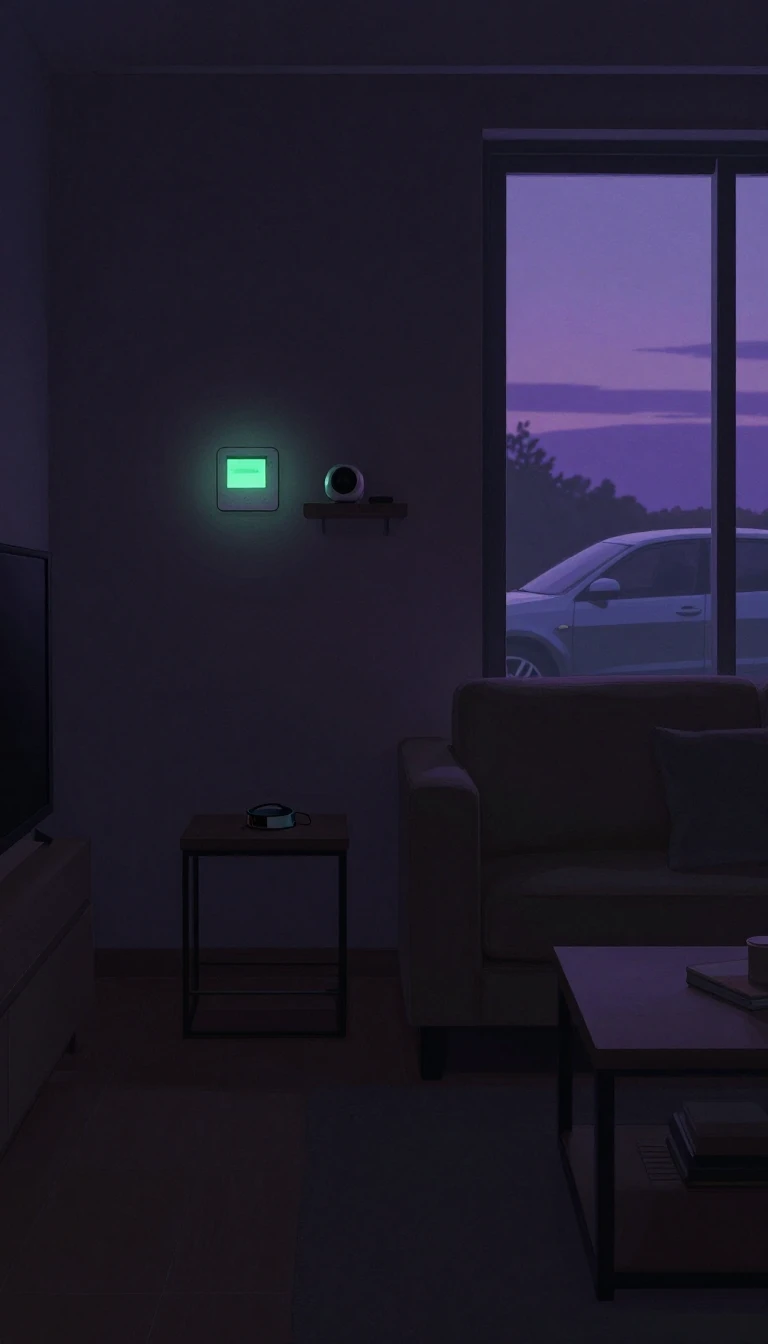
In short: Bernard Stiegler, a French philosopher who discovered his calling while incarcerated for armed robbery, argued that technology is not neutral. He believed our digital tools are actively reshaping human consciousness, industrializing our desires, and eroding our fundamental ability to know how to live and work in the modern world.
Born in 1952, Bernard Stiegler lived a life as unconventional as his philosophy. After a youth spent in student revolts and a period of incarceration for armed robbery between 1978 and 1983, he turned to academic study through correspondence. He eventually earned his doctorate under Jacques Derrida in 1993, becoming a prominent voice on the intersection of technology, time, and human society.
Stiegler’s core thesis posits that humans are essentially prosthetic creatures. He argued that throughout history, philosophy has repressed the role of technics—organized inorganic matter—which actually constitutes human temporality. In his view, we are 'adoptive' beings whose consciousness is shaped by the technical systems we build. This relationship is pharmacological: technology can be both a poison that destroys our autonomy and a remedy that enables our development.
His work warns of 'generalised proletarianisation,' a state where industrial systems of production and consumption strip individuals of their practical skills and their capacity for meaningful life. By industrializing the formation of desire, modern technology threatens both psychic and collective individuation. Stiegler did not call for the abandonment of capitalism, but rather for a transformation of its industrial foundations to prevent the total loss of spirit.
Through his group Ars Industrialis and his philosophy school, pharmakon.fr, Stiegler sought to foster an 'industrial politics of spirit.' He believed that by understanding our co-individuation with technical organs, we might reinvent industrial civilization. His prolific output, including major series like Technics and Time and Disbelief and Discredit, remains a vital critique of how digital convergence and consumerism impact the future of human society.
Opens the Intellect+ feed with this card first. Swipe up for the next one.
Sources
- Summary by Intellect · source: Bernard Stiegler
To cite this card, link to https://intellectplus.co.uk/app/ideas-bernard-stiegler.
How we source, check and correct cards: Editorial standards.
General information, not professional advice. Spotted an error? Flag the card or see corrections and complaints.
Intellect Plus is a visual educational discovery platform for exploring fascinating facts and ideas. Brain Food, Not Brain Rot. What is Intellect Plus?
Related
More in Philosophers · More in Ideas & Philosophy · Latest · A–Z · All topics
