The word chapel traces its origins to a soldier’s cloak and a holy relic.
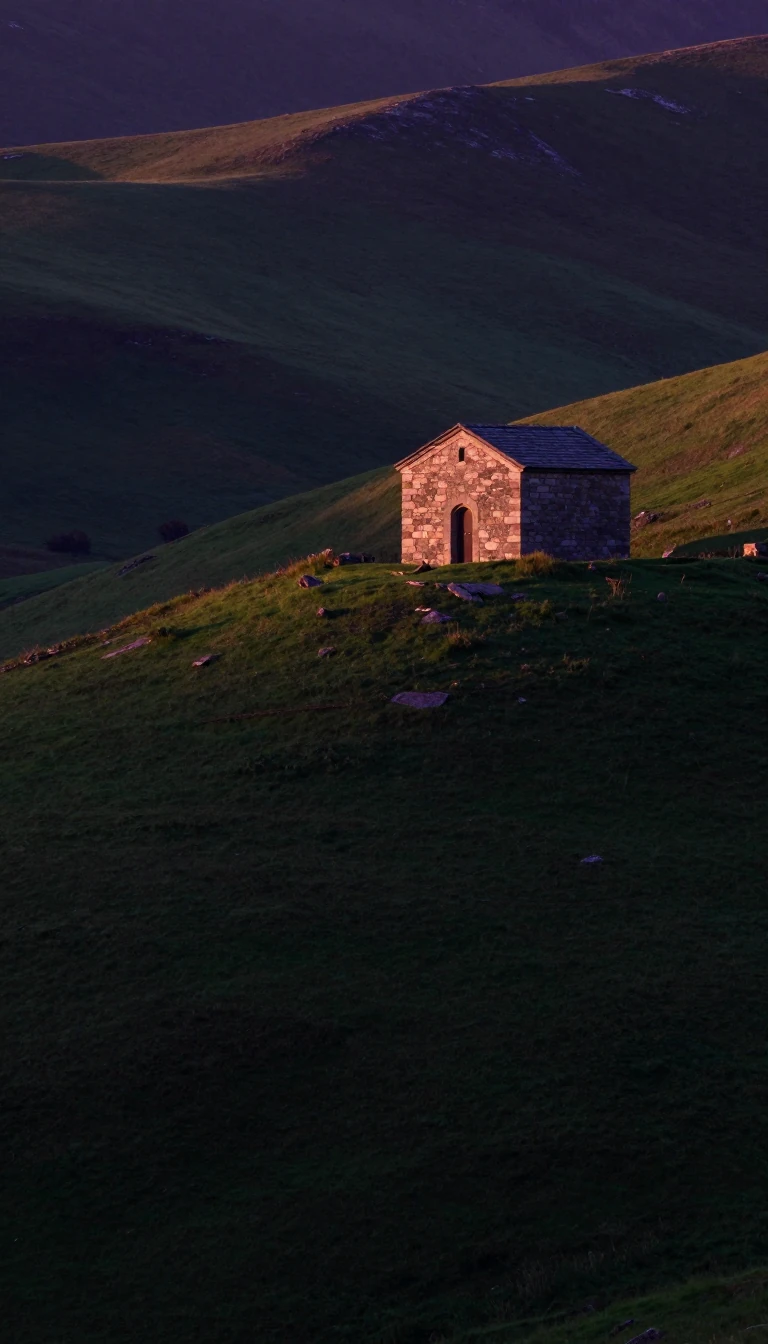
In short: A chapel is more than a small church. It is a versatile space that has evolved from a portable tent for a king’s relic into a global fixture of airports, hospitals, and universities. Discover how a soldier’s act of charity gave the world a name for its quietest sanctuaries.
The etymology of chapel is rooted in a legend of Saint Martin of Tours. While serving as a soldier, Martin reportedly cut his military cloak in half to share with a beggar, who was later identified as Christ in disguise. This act of charity led to his conversion and eventual sainthood. The remaining half of his cloak became a revered relic, carried by Frankish kings into battle. The tent housing this relic was called a capella, and the priests who conducted daily Mass within it were known as capellani—the linguistic ancestors of our modern chapel and chaplain.
Historically, the term has been remarkably fluid. In early Christianity, a chapel was simply a dedicated chamber within a home rather than a standalone building. Over centuries, the definition expanded to include satellite sites in remote areas, private oratories for bishops, and specialized spaces within larger cathedrals, such as Lady chapels dedicated to the Virgin Mary. In Britain, the term took on a distinct social identity; during the 18th and 19th centuries, Nonconformist denominations adopted it for their places of worship. By the 1851 census, attendance at these independent chapels in England and Wales actually surpassed that of the state-established Anglican churches.
Today, the chapel serves as a neutral, often multifaith, anchor in secular institutions. Whether found in an airport, a prison, or a military base, these spaces provide a sanctuary for reflection, prayer, or memorial services. Unlike a parish church, a chapel often lacks a resident clergy member and is frequently defined by its secondary status or its integration into a larger, non-religious complex. From the 16th-century open-air chapels of colonial Mexico to the modern meditation rooms at the United Nations, the chapel remains a testament to the human need for dedicated, quiet space amidst the noise of daily life.
Opens the Intellect+ feed with this card first. Swipe up for the next one.
Sources
- Summary by Intellect · source: Chapel
To cite this card, link to https://intellectplus.co.uk/app/ideas-chapel.
How we source, check and correct cards: Editorial standards.
General information, not professional advice. Spotted an error? Flag the card or see corrections and complaints.
Intellect Plus is a visual educational discovery platform for exploring fascinating facts and ideas. Brain Food, Not Brain Rot. What is Intellect Plus?
Related
More in Abrahamic religions · More in Ideas & Philosophy · Latest · A–Z · All topics
