Why the earliest Christian worship was centered on a fellowship meal with the Messiah
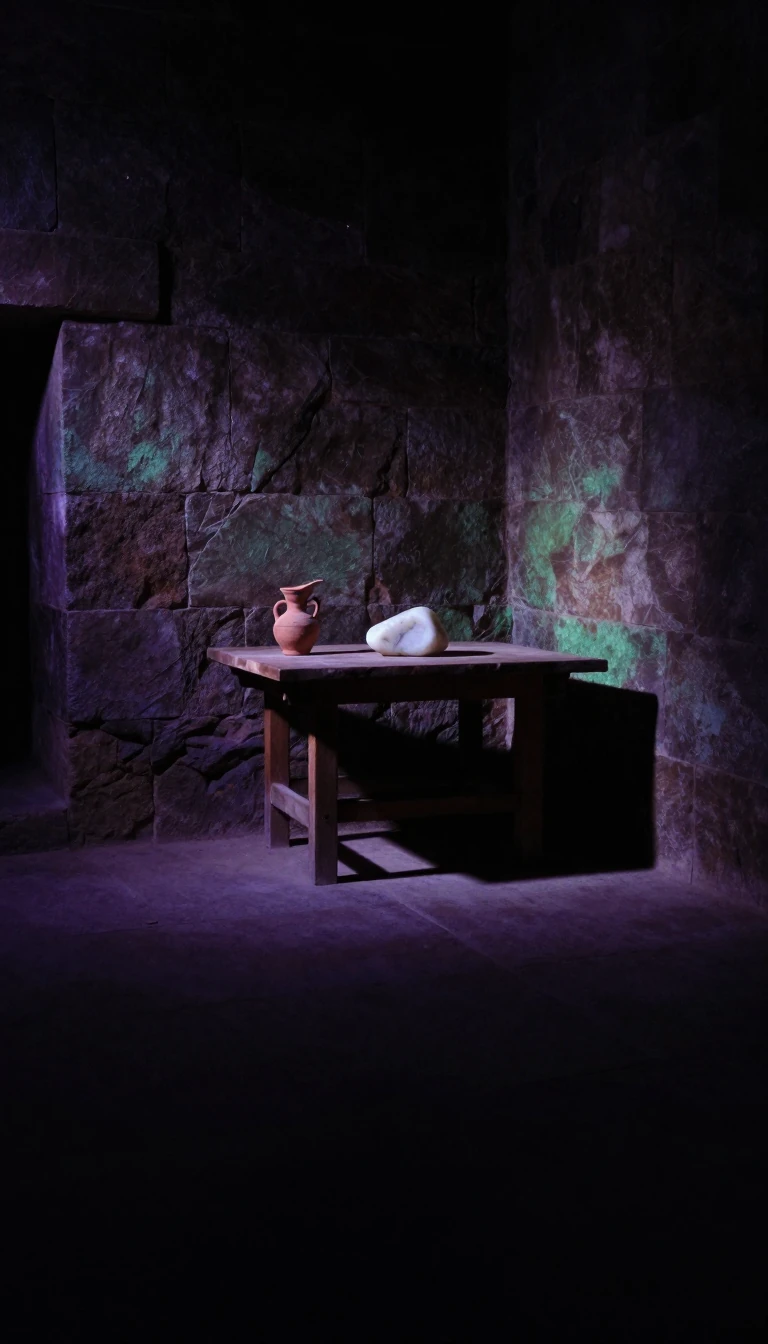
In short: The roots of Christian liturgy lie in an intense, ancient expectation of a messianic banquet. Early believers viewed their communal meals not merely as ritual, but as a direct continuation of fellowship with the resurrected Christ, anticipating a final, heavenly celebration at the end of time.
At the heart of early Christian worship was the Eucharist, interpreted by the primitive church as a fellowship meal with the resurrected Jesus. This practice was deeply rooted in the Jewish expectation of the kingdom of God, which was believed to be inaugurated by the Messiah. Jesus himself framed his preaching around this promise, famously declaring that the blessed would share bread with the exalted Messiah in his Father’s kingdom.
Following the death of Jesus, his community initially faced bewilderment, but the appearances of the risen Christ confirmed their belief in the continuation of this messianic fellowship. These encounters transformed the meal into a profound liturgical event, where the community experienced the presence of the Resurrected One. Over the first six centuries, this simple meal evolved into diverse, complex liturgical forms, ranging from the Clementine liturgy in Antioch to the Roman mass.
By the 6th century, the Eastern Orthodox Church had fixed two primary liturgies by canon law: the Liturgy of St. John Chrysostom, originally from Constantinople, and the Liturgy of St. Basil, which originated in Cappadocian monasteries. While the Liturgy of St. John Chrysostom is celebrated most of the year, the Liturgy of St. Basil is reserved for only 10 days. Meanwhile, the Latin West moved toward a more rigid, legalistic structure, shifting from Greek to Latin by the mid-4th century to align with Roman patterns of sacred observance.
This development reflects a broader historical tension between diversity and uniformity. While early liturgical creation was characterized by improvisation, the Western church eventually prioritized stipulated regularities. Today, the Eucharist remains a central mystery, with various traditions—from the Eastern Divine Liturgy to the Western Mass—continuing to serve as a bridge between the historical meal shared by the disciples and the promised end-time banquet.
Opens the Intellect+ feed with this card first. Swipe up for the next one.
Sources
- Summary by Intellect · source: Christianity - Liturgy, Sacraments, Worship | Britannica
- Also: Christian liturgy
To cite this card, link to https://intellectplus.co.uk/app/ideas-christian-liturgy.
How we source, check and correct cards: Editorial standards.
General information, not professional advice. Spotted an error? Flag the card or see corrections and complaints.
Intellect Plus is a visual educational discovery platform for exploring fascinating facts and ideas. Brain Food, Not Brain Rot. What is Intellect Plus?
Related
More in Abrahamic religions · More in Ideas & Philosophy · Latest · A–Z · All topics
