From ancient antiphonal chants to modern gospel, music has defined the Christian experience.
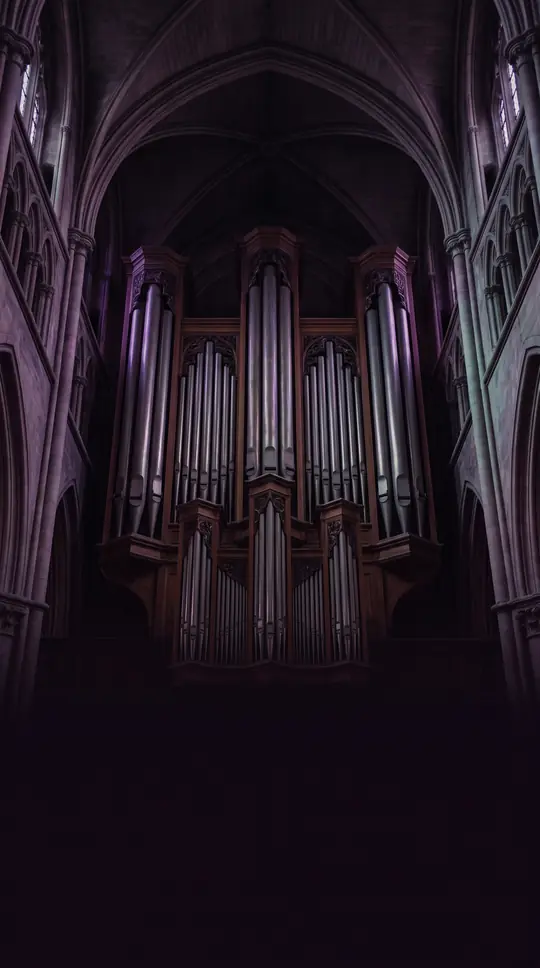
In short: Church music is far more than background noise for liturgy. It is a complex, evolving tradition that has absorbed Greek influences, survived the Reformation, and shaped theology through song. From the monophonic chants of medieval monasteries to the lively gospel styles of today, music remains a vital, shared act of worship.
The roots of Christian musical practice reach back to the earliest gatherings of the faith. While the Gospels provide only a singular mention of communal singing, early accounts like those of Pliny the Younger describe Christians meeting before dawn to perform antiphonal hymns. This method of alternating choirs, likely inherited from Hebrew psalmody, was later attributed to a vision of angels seen by Ignatius of Antioch. As the Church expanded across the Mediterranean, it integrated diverse cultural elements, though early leaders often resisted instrumental accompaniment, with figures like St. Jerome famously condemning the use of instruments like the lyre.
By the Middle Ages, the tradition of Gregorian chant emerged from monastic life, governed by the Rule of Saint Benedict. Although a persistent legend once claimed Pope Gregory the Great personally received these melodies from the Holy Spirit, historians now understand the chant as a Carolingian synthesis of Roman and Gallican traditions. This monophonic style formed the bedrock of Western church music, even as polyphonic compositions by figures like Léonin and Pérotin began to flourish in Paris. The Mass itself became a primary vehicle for musical innovation, with composers from Bach to Beethoven crafting elaborate settings of the Ordinary, which includes the Credo and Sanctus.
The Protestant Reformation introduced a sharp divide in musical philosophy. While some groups, such as Calvinists, adopted exclusive psalmody and removed organs to strip away anything not explicitly authorized by the Bible, others like Martin Luther championed congregational singing to teach the faith. This tension fueled centuries of development, from the hymn-writing explosion of the Methodist Revival to the emergence of gospel songs in the 19th century. Today, contemporary worship music continues this trajectory, blending popular styles with sacred themes to maintain music's role as an integral, participatory component of the Christian liturgy.
Opens the Intellect+ feed with this card first. Swipe up for the next one.
Sources
- Summary by Intellect · source: Church music
To cite this card, link to https://intellectplus.co.uk/app/ideas-church-music.
How we source, check and correct cards: Editorial standards.
General information, not professional advice. Spotted an error? Flag the card or see corrections and complaints.
Intellect Plus is a visual educational discovery platform for exploring fascinating facts and ideas. Brain Food, Not Brain Rot. What is Intellect Plus?
Related
More in Abrahamic religions · More in Ideas & Philosophy · Latest · A–Z · All topics
