Is your mind a blank slate, or does it carry the ghosts of humanity?
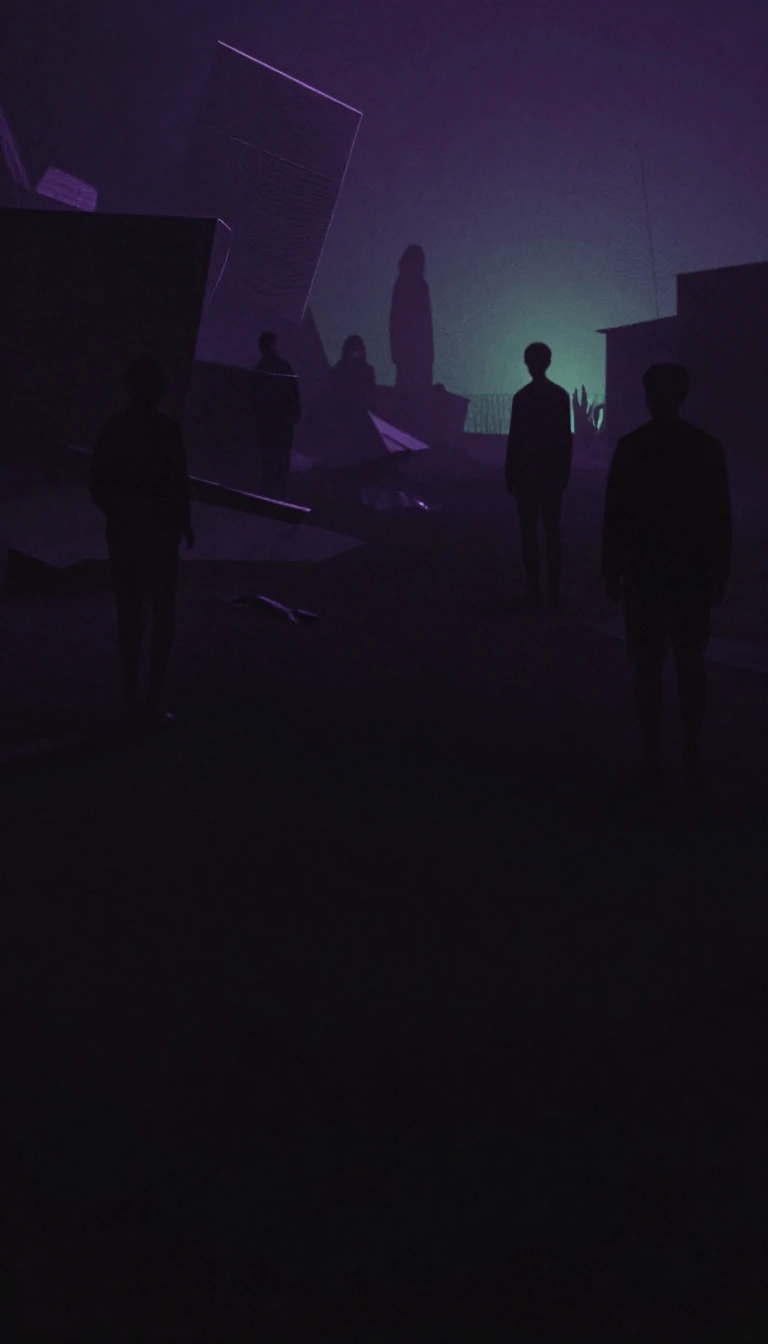
In short: Carl Jung proposed that beneath our personal memories lies a universal, inherited layer of the mind called the collective unconscious. This psychic stratum contains archetypes—innate, primordial images that shape human experience across all cultures. It suggests that we are not born as blank slates, but as inheritors of ancient wisdom.
First introduced in Jung’s 1916 essay, the collective unconscious is distinct from the personal, Freudian unconscious. While the latter holds individual sexual fantasies and repressed memories, the collective unconscious is a universal system identical in all humans. Jung argued that this layer acts as a matrix for all conscious psychic occurrences, containing the psychic life of our ancestors dating back to our earliest beginnings. He viewed the human psyche as a museum of its own phylogenetic history, where archetypes—such as the Mother, the Shadow, or the Wise Old Man—serve as typical modes of apprehension that organize our thoughts and feelings.
Jung believed this theory explained why similar mythological motifs appear spontaneously in dreams and fantasies worldwide, even among people with no prior exposure to those myths. He famously cited a patient who described a phallic tube hanging from the sun, which matched an ancient Mithras Liturgy text only recently translated into German. For Jung, this was evidence that the patient and the ancient text tapped into the same universal source. He suggested that archetypes function like instincts, guiding behavior and perception, though in humans, they have evolved into a separate register of mental phenomena that can both terrify and heal.
The concept remains controversial. Critics like Ray Scott Percival argue that Jung’s claims are unfalsifiable and overly deterministic, suggesting that common human experiences—like the cycle of day and night or the presence of family—naturally lead to shared mental structures without needing an inherited unconscious. Others, such as Richard Noll, have questioned the authenticity of Jung’s clinical examples. Proponents, however, point to studies in neuroscience and psychology, such as the 1991 research by Rosen et al., which found that subjects better remembered symbols paired with archetypal meanings, even when those associations were not consciously recognized. Ultimately, Jung maintained that the collective unconscious cannot be fully captured in a laboratory, comparing its study to astronomy: it must be observed in its natural state, rather than forced into controlled conditions.
Opens the Intellect+ feed with this card first. Swipe up for the next one.
Sources
- Summary by Intellect · source: Collective unconscious
To cite this card, link to https://intellectplus.co.uk/app/ideas-collective-unconscious.
How we source, check and correct cards: Editorial standards.
General information, not professional advice. Spotted an error? Flag the card or see corrections and complaints.
Intellect Plus is a visual educational discovery platform for exploring fascinating facts and ideas. Brain Food, Not Brain Rot. What is Intellect Plus?
Related
More in Philosophy · More in Ideas & Philosophy · Latest · A–Z · All topics
