Is the universe a deliberate act of creation or a self-regulating, eternal mechanism?
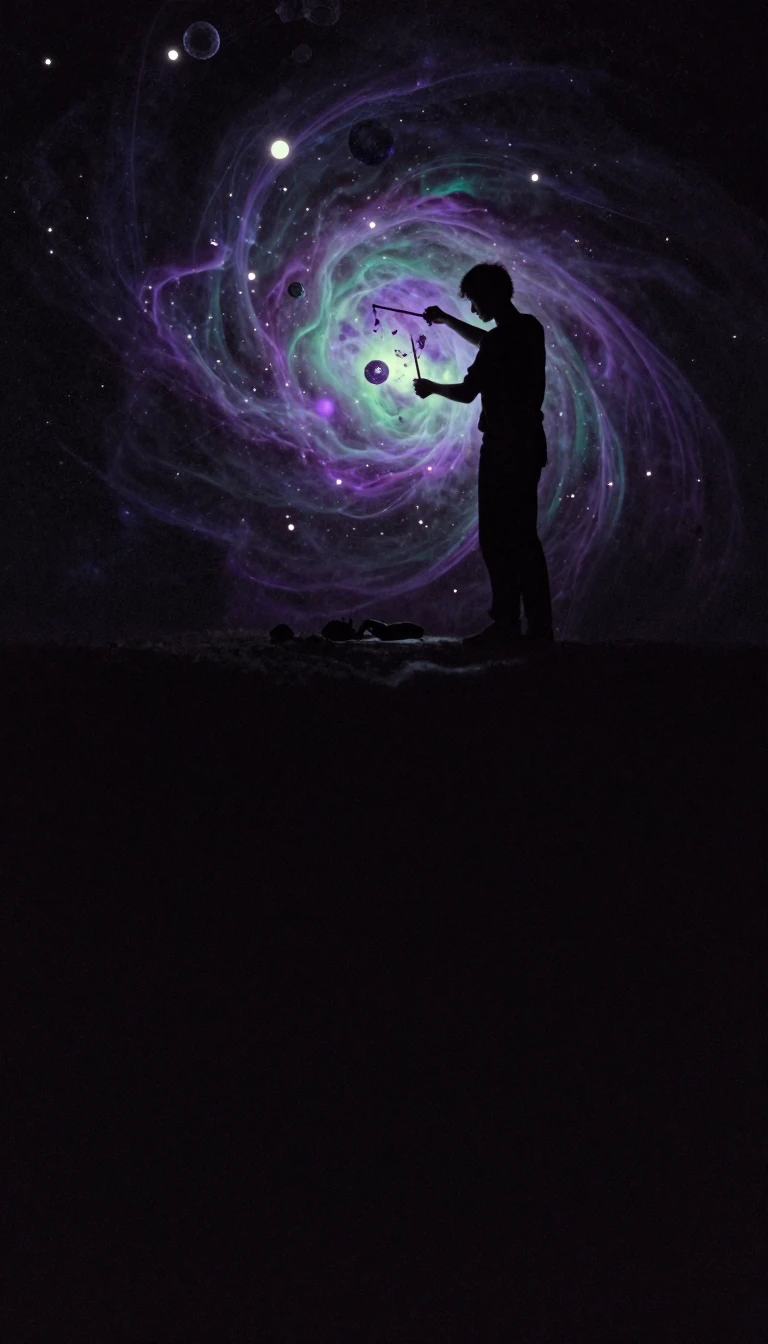
In short: Across human history, religions have wrestled with the origin of existence. While many traditions posit a singular, omnipotent deity who fashioned the world, others reject the creator concept entirely, viewing the cosmos as an eternal, self-governing system. This divide shapes how cultures interpret purpose, morality, and the nature of reality.
The concept of a creator deity varies wildly across global traditions. In many monotheistic faiths, a single, transcendent God is responsible for bringing the universe into existence. For instance, the Genesis narrative describes a deliberate act of creation, while Islamic theology emphasizes Allah as the all-knowing Sustainer who created the world with a grand purpose. Similarly, the Baháʼí Faith views God as an uncreated, eternal source of all existence, and Mandaeism identifies Hayyi Rabbi as the supreme deity from whom all things emanate.
However, not all religious frameworks require a creator. Jainism, often labeled an atheist philosophy, adamantly rejects the idea of an omnipotent god. Jain doctrine posits that the universe, along with its constituents like soul, matter, and time, has existed since beginningless time. In this view, the cosmos functions through universal natural laws and a self-regulating karmic mechanism, rather than divine intervention. Similarly, Buddhism denies a creator deity, suggesting that figures sometimes mistaken for creators are merely mundane beings.
The mechanism of creation also differs significantly between polytheistic and monotheistic perspectives. While monotheism often focuses on divine fiat, polytheistic myths describe creation through diverse, organic processes. These include the world sprouting from a primal seed, being woven on a loom, or even emerging from the body of a slain primeval monster, such as the Babylonian Marduk defeating Tiamat. Some traditions even employ a dual-creator model, where a primary transcendent being provides raw materials while a secondary deity, like Brahma in Gaudiya Vaishnavism, manages the actual construction of the physical world.
The debate extends to the nature of creation itself. Theologians continue to argue whether the Bible teaches creation ex nihilo—creation out of nothing—or if this was a later theological development intended to counter pre-Christian notions of a demiurge shaping primordial chaos. Whether viewed as a purposeful act of mercy or an eternal, law-bound reality, the question of a creator remains a fundamental pillar of human philosophical inquiry.
Opens the Intellect+ feed with this card first. Swipe up for the next one.
Sources
- Summary by Intellect · source: Creator deity
To cite this card, link to https://intellectplus.co.uk/app/ideas-creator-deity.
How we source, check and correct cards: Editorial standards.
General information, not professional advice. Spotted an error? Flag the card or see corrections and complaints.
Intellect Plus is a visual educational discovery platform for exploring fascinating facts and ideas. Brain Food, Not Brain Rot. What is Intellect Plus?
Related
More in Religion and spirituality · More in Ideas & Philosophy · Latest · A–Z · All topics
