How an anonymous Anglo-Saxon poet used secret runic codes to claim his work
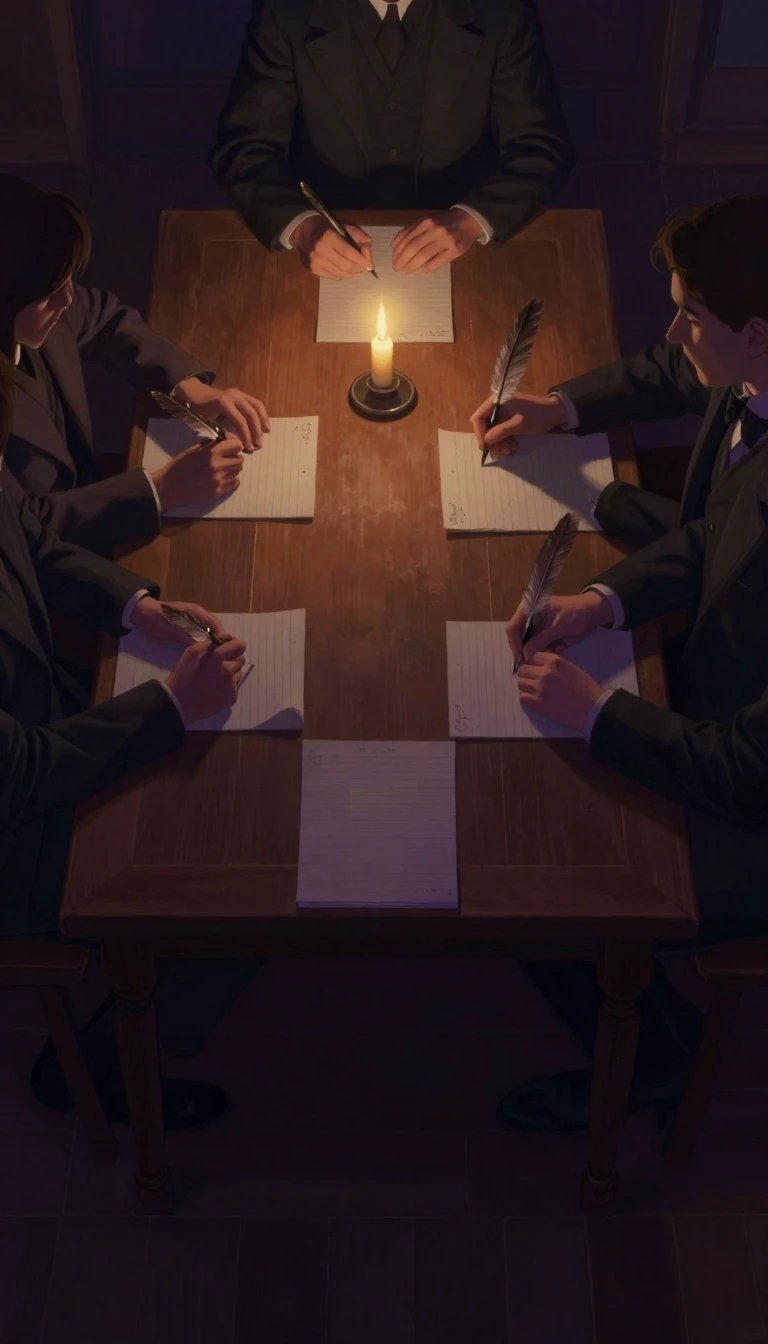
In short: In an era where poetry was traditionally anonymous, one ninth-century writer broke the mold. By weaving his own name into his verses using runic symbols, he ensured his authorship would survive the centuries. This clever cryptographic signature transformed his religious compositions into a lasting, personal legacy of faith and intellect.
Cynewulf remains one of the few named poets from the Old English period, though his exact identity is lost to history. Scholars have long debated his origins, but linguistic analysis of his work—specifically the correction of imperfect rhymes when using Anglian dialect forms—suggests he likely hailed from Northumbria or Mercia. While various historical figures have been proposed as candidates, including a Lindisfarne ecclesiastic who died around 780, no definitive link has ever been established.
The poet’s surviving corpus consists of four distinct works: a meditation on the apostles, a narrative of Saint Helena, a saint's life of Juliana, and a devotional piece on the Ascension. Unlike many of his contemporaries who drew directly from biblical texts, Cynewulf relied heavily on Latin homilies and hagiographies. His writing displays a sophisticated command of ecclesiastical doctrine, strongly implying he was a man in holy orders with deep training in church literature.
His most striking innovation was the use of runic acrostics. By embedding his name into the text, he likely aimed to prevent his work from being altered by scribes or to secure prayers for his soul from future readers. In his poem about the discovery of the Holy Cross, he even used these runes to create a cryptic passage about the Final Judgment, where each letter of his name represents a specific spiritual state. This practice marked a significant shift toward the concept of intellectual property in a culture that previously viewed poetry as a communal, ownerless craft.
While early researchers once attributed dozens of anonymous poems to him based on stylistic similarities, modern scholarship limits his canon to the four signed works. These poems, which total several thousand lines, represent a high point of Anglo-Saxon Christian verse. Whether he was a mature poet reflecting on his life or a younger writer finding his voice, Cynewulf’s decision to sign his name ensured that his specific contribution to Old English literature would never be forgotten.
Opens the Intellect+ feed with this card first. Swipe up for the next one.
Sources
- Summary by Intellect · source: Cynewulf
To cite this card, link to https://intellectplus.co.uk/app/ideas-cynewulf.
How we source, check and correct cards: Editorial standards.
General information, not professional advice. Spotted an error? Flag the card or see corrections and complaints.
Intellect Plus is a visual educational discovery platform for exploring fascinating facts and ideas. Brain Food, Not Brain Rot. What is Intellect Plus?
Related
More in Writers · More in Ideas & Philosophy · Latest · A–Z · All topics
