Why your brain occasionally tricks you into believing you have lived this moment before.
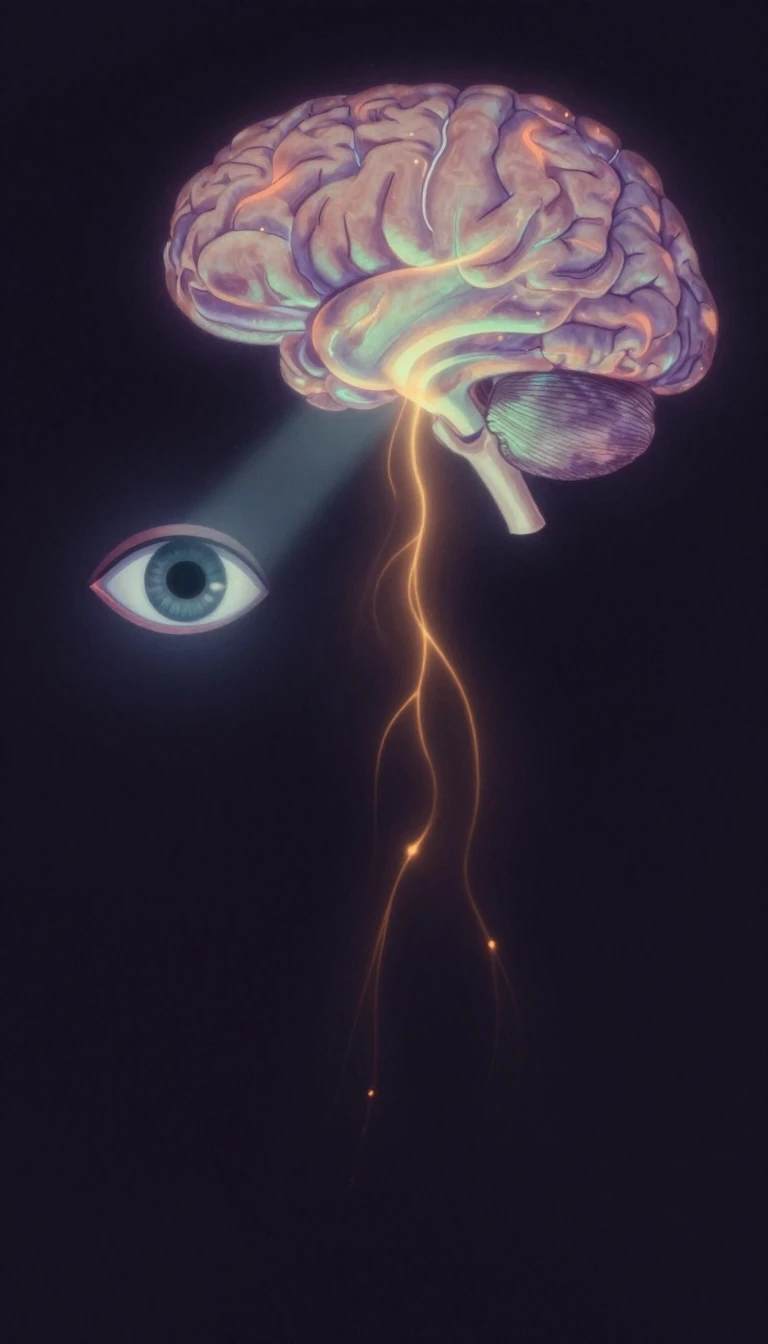
In short: Déjà vu is a fleeting, false sense of familiarity that strikes nearly everyone. It occurs when your brain misfires, blurring the boundary between a new experience and a stored memory. While usually harmless, this uncanny sensation reveals how fragile our perception of time and recognition truly is.
Déjà vu, meaning 'already seen' in French, is a brief, intense illusion where a current situation feels like a repetition of a past event. Neurologically, this is often attributed to a communication breakdown between the temporal lobe, which manages memory, and the hippocampus, which processes new information. When these systems fail to sync, the brain mistakenly tags a novel experience as a familiar one.
Most individuals experience this phenomenon occasionally, with estimates suggesting up to 97% of people have felt it at least once. It is more common among young adults, frequent travelers, and those with higher levels of education. While the exact cause remains a subject of research, some scientists speculate that the sensation arises from a 'misfire' in the brain's recognition systems, where a current stimulus triggers a sense of familiarity without the ability to retrieve an actual corresponding memory.
While typically benign, persistent déjà vu can sometimes signal underlying health issues. It is notably associated with temporal lobe epilepsy, where electrical discharges in the brain create the sensation without physical motor symptoms. Other potential triggers include severe stress, sleep deprivation, and migraines. Because memory is a complex process of encoding, storage, and retrieval, any disruption in these pathways—or even certain medication combinations—can lead to these 'paramnesias' where the brain struggles to distinguish between the present and the past.
Understanding déjà vu requires looking at how we remember. Memory is a prerequisite for intelligent behavior, allowing us to navigate the world by referencing past experiences. When the brain’s input-output balance is disrupted, the result is a momentary confusion that highlights how much our reality depends on the brain’s ability to correctly categorize the flow of time. If the sensation occurs frequently or is accompanied by confusion, loss of awareness, or seizures, medical consultation is recommended.
Opens the Intellect+ feed with this card first. Swipe up for the next one.
Sources
- Summary by Intellect · source: www.britannica.com — Deja vu | Definition, Facts, & Examples | Britannica
- Also: Why You Get Déjà Vu
- Also: Déjà vu
To cite this card, link to https://intellectplus.co.uk/app/ideas-d-j-vu.
How we source, check and correct cards: Editorial standards.
General information, not professional advice. Spotted an error? Flag the card or see corrections and complaints.
Intellect Plus is a visual educational discovery platform for exploring fascinating facts and ideas. Brain Food, Not Brain Rot. What is Intellect Plus?
Related
More in Psychology · More in Ideas & Philosophy · Latest · A–Z · All topics
