How the Grand Old Man of India challenged the British Empire from within
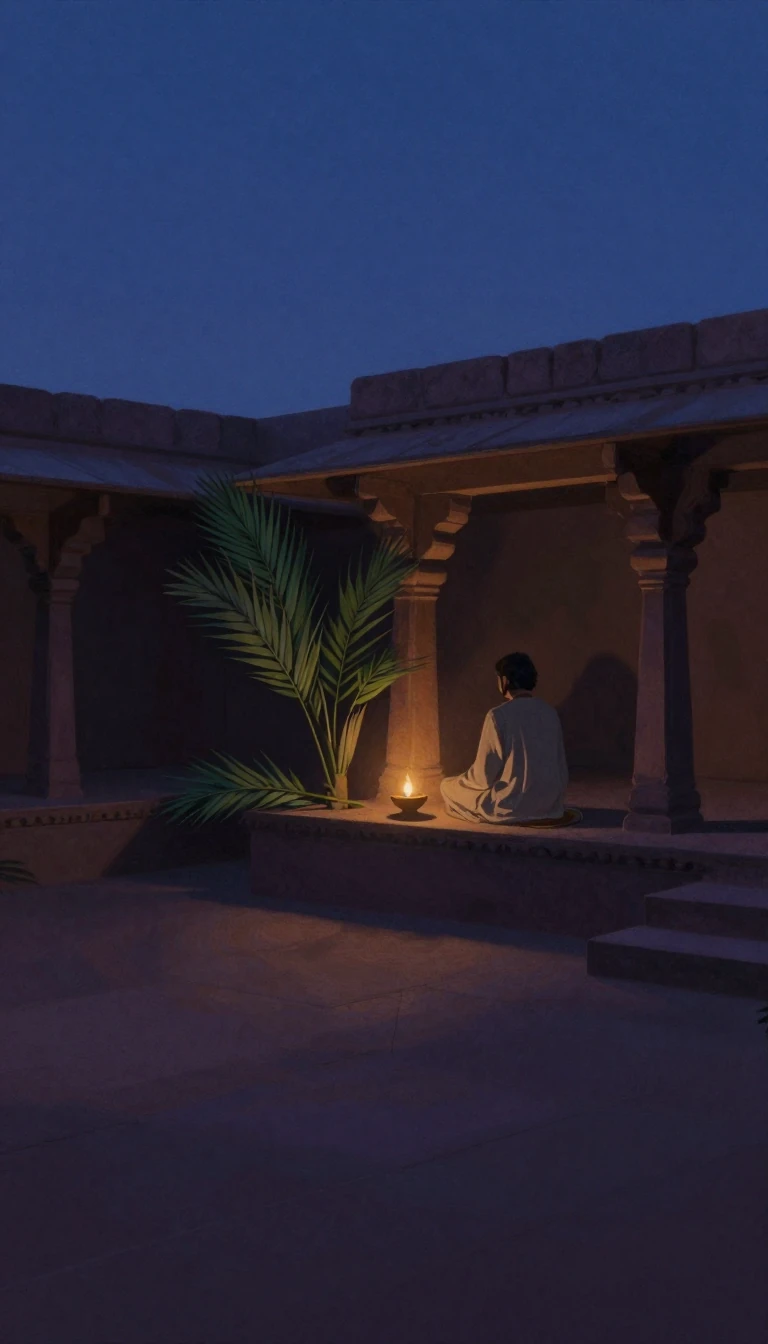
In short: Dadabhai Naoroji was a trailblazing merchant and scholar who became the first Asian Member of Parliament in Britain. Beyond his political milestones, he pioneered the drain theory, a radical economic critique that exposed how colonial rule systematically stripped India of its wealth, fundamentally shaping the trajectory of the Indian independence movement.
Born in 1825 to a Parsi Zoroastrian family, Dadabhai Naoroji was a man of many firsts. He became the first Indian professor at Elphinstone College in 1855 and later founded the first Indian company established in Britain. His political career was equally groundbreaking; in 1892, he was elected to the British House of Commons representing Finsbury Central. As a Zoroastrian, he famously refused to swear his oath on the Bible, opting instead for his own copy of the Khordeh Avesta.
Naoroji is best remembered for his 'drain theory,' detailed in his 1901 work, Poverty and Un-British Rule in India. He argued that British colonial governance was an extractive machine. By imposing 'Home Charges' to pay for civil and military administration, and by filling high-paying government roles with foreign personnel who sent their earnings back to Britain, the colonial state prevented India from accumulating the capital necessary for its own development. He estimated this annual drain at between £200 and £300 million, arguing that India was being forced to pay for its own exploitation.
Though he remained a moderate within the Indian National Congress, which he helped found and served as president three times, Naoroji’s rhetoric grew increasingly sharp as he witnessed the British government’s refusal to implement meaningful reforms. He challenged the morality of the empire, warning that the exclusion of educated Indians from administration would lead to inevitable destruction. His intellectual rigor earned him the title 'Grand Old Man of Indian Nationalism' and deeply influenced figures like Mahatma Gandhi, who looked to him as a father figure for the movement.
Naoroji's legacy persists in both India and the UK. While he faced overt racism—most notably from Prime Minister Lord Salisbury, who once suggested that a British constituency would never elect a 'black man'—he successfully leveraged his position as an imperial subject to force the British establishment to confront the economic realities of their rule. Today, he is honored with blue plaques in London and various memorials across India, marking his role as a pivotal bridge between colonial critique and the birth of a sovereign nation.
Opens the Intellect+ feed with this card first. Swipe up for the next one.
Sources
- Summary by Intellect · source: Dadabhai Naoroji
To cite this card, link to https://intellectplus.co.uk/app/ideas-dadabhai-naoroji.
How we source, check and correct cards: Editorial standards.
General information, not professional advice. Spotted an error? Flag the card or see corrections and complaints.
Intellect Plus is a visual educational discovery platform for exploring fascinating facts and ideas. Brain Food, Not Brain Rot. What is Intellect Plus?
Related
More in Philosophers · More in Ideas & Philosophy · Latest · A–Z · All topics
