The ancient Greek wisdom carved in gold that guided a civilization for centuries
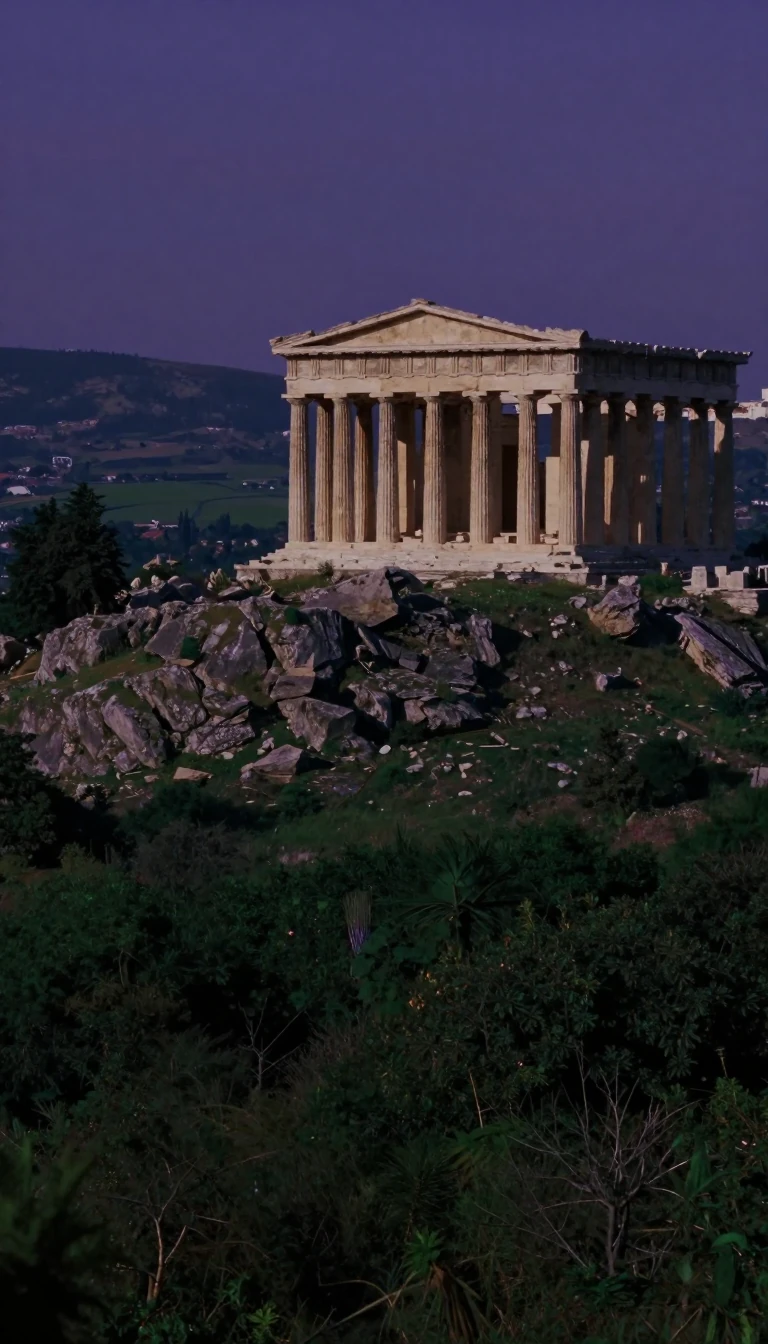
In short: Etched into the Temple of Apollo, three cryptic phrases defined Greek morality. While legends attributed them to divine inspiration or the Seven Sages, these maxims were likely common proverbs. They evolved from social warnings into complex philosophical pillars, influencing everything from Aristotle’s ethics to the skepticism of Pyrrho.
The most famous trio of Delphic inscriptions—commanding self-awareness, moderation, and caution regarding pledges—appeared at the temple entrance by the 5th century BCE. Though later Roman-era accounts by Pliny the Elder suggest these were eventually displayed in gold, their exact placement remains a subject of scholarly debate. Whether they adorned the forecourt, columns, or gateways, they served as a moral compass for visitors. While tradition often credited the legendary Seven Sages, including figures like Solon and Thales, modern analysis suggests these were likely popular sayings that gained authority through their sacred setting.
The first maxim, 'Know thyself,' shifted in meaning over centuries. Initially, it served as a social reminder to recognize one's limitations and place within the hierarchy. By the time of Plato’s Phaedrus, it had evolved into a deeper, self-reflexive inquiry into human nature. The second, 'Nothing in excess,' was frequently invoked to discourage pride and emotional volatility. Aristotle later integrated this concept of the 'middle way' into his ethical framework, though he never explicitly cited the temple inscription. By the 17th century, the rule had largely morphed into advice for controlling physical appetites, exemplified by Milton’s Paradise Lost.
The third maxim, regarding the danger of pledges, remains the most enigmatic. Ancient thinkers like Diodorus Siculus and Plutarch debated whether it warned against financial surety, marriage vows, or overly confident assertions. Diogenes Laërtius even linked it to the roots of philosophical skepticism, suggesting that trouble follows those who make emphatic claims. Beyond these three, a collection of 147 additional maxims was documented by Stobaeus. Archaeological finds in Turkey and Afghanistan have since confirmed their authenticity, proving these moral codes were not merely local folklore but were disseminated across the vast Hellenistic world.
Critics have occasionally challenged the wisdom of these inscriptions. Pindar, as early as the 5th century BCE, questioned the excessive praise heaped upon them, and later thinkers like Sperone Speroni argued that the focus on moderation risked endorsing mediocrity. Despite these critiques, the enduring presence of these maxims—from the 3rd-century BCE stele at Ai-Khanoum to their preservation in medieval anthologies—highlights their profound role in shaping the intellectual landscape of antiquity.
Opens the Intellect+ feed with this card first. Swipe up for the next one.
Sources
- Summary by Intellect · source: Delphic maxims
To cite this card, link to https://intellectplus.co.uk/app/ideas-delphic-maxims.
How we source, check and correct cards: Editorial standards.
General information, not professional advice. Spotted an error? Flag the card or see corrections and complaints.
Intellect Plus is a visual educational discovery platform for exploring fascinating facts and ideas. Brain Food, Not Brain Rot. What is Intellect Plus?
Related
More in Greek mythology · More in Ideas & Philosophy · Latest · A–Z · All topics
