Why early Christian hermits fled to the desert to build an alternative society
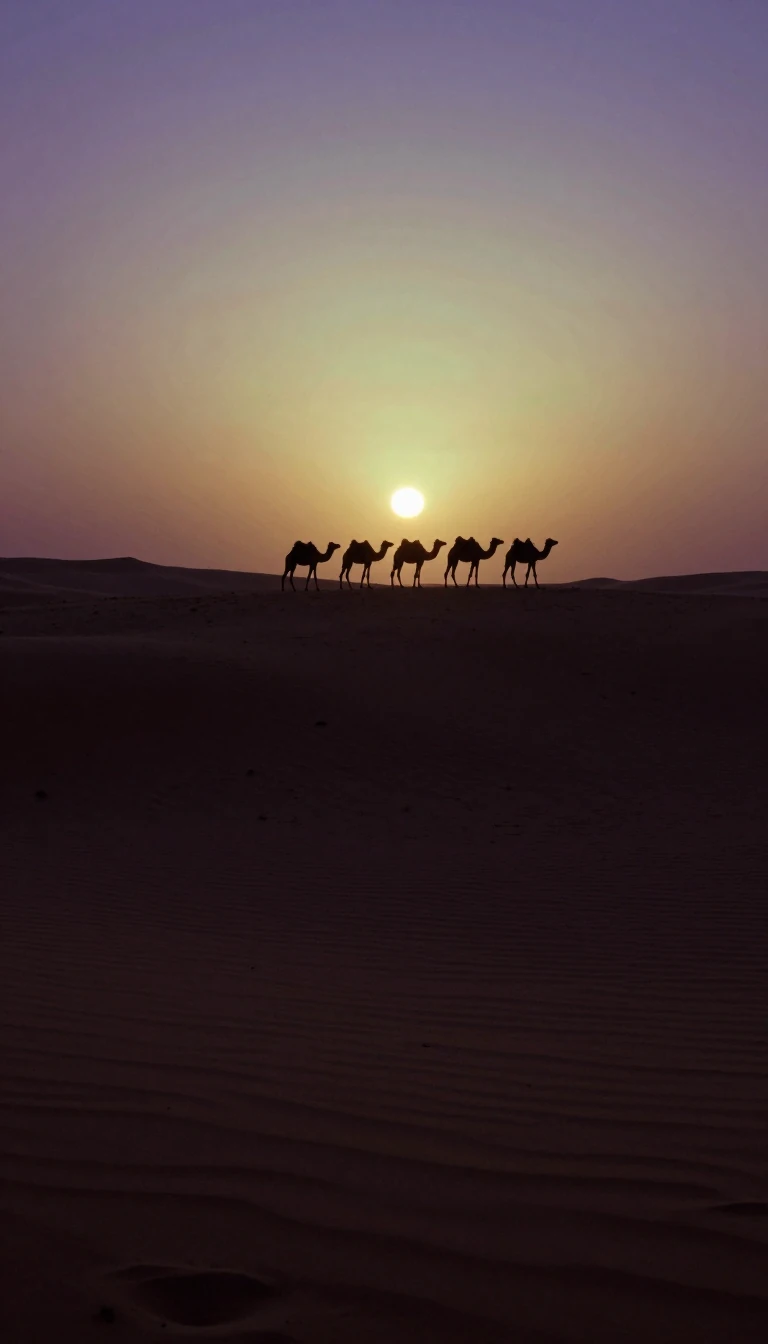
In short: Beginning in the third century, thousands of Christians retreated into the Egyptian wilderness to escape the comforts of a newly legalized religion. By trading material possessions for extreme solitude and austerity, these Desert Fathers and Mothers created a radical model of spiritual life that still shapes global monastic traditions today.
The movement began in earnest around 270 AD when Anthony the Great, often called the father of desert monasticism, sold his belongings and retreated into the desert. Following his example, thousands of men and women sought a life of radical separation from the Roman Empire. For these early ascetics, the desert was a deliberate alternative to martyrdom, which had previously been the ultimate expression of Christian sacrifice. As the Roman state began to integrate with the church, these hermits viewed the compromise between faith and politics as a threat, choosing instead to build an independent society defined solely by spiritual pursuit.
Three distinct lifestyles emerged from this movement. The first was the solitary hermit life practiced by Anthony; the second was the cenobitic community, formalized by Pachomius the Great, which introduced structured rules, manual labor, and communal living. The third was a semi-hermitic approach, where small groups of monks gathered under a spiritual elder for worship. These communities were not merely retreats; they were rigorous schools of character. Monks focused on overcoming negative emotions like anger and judgment, prioritizing kindness and hospitality toward visitors even when it meant breaking their own strict fasting practices.
The wisdom of these desert dwellers was preserved in The Sayings of the Desert Fathers, a collection of over 1,200 aphorisms attributed to various elders. These texts, which include the teachings of figures like Abba Poemen and Syncletica of Alexandria, became foundational for later movements, including the Rule of Saint Benedict and the Eastern Hesychast tradition. By the 14th century, the practice of interior silence and the 'Jesus Prayer'—rooted in the desert experience—had become a central pillar of mystical prayer. Even today, the desert remains the symbolic and historical bedrock for monastic revivals and spiritual renewals across the Christian world.
Opens the Intellect+ feed with this card first. Swipe up for the next one.
Sources
- Summary by Intellect · source: Desert Fathers
To cite this card, link to https://intellectplus.co.uk/app/ideas-desert-fathers.
How we source, check and correct cards: Editorial standards.
General information, not professional advice. Spotted an error? Flag the card or see corrections and complaints.
Intellect Plus is a visual educational discovery platform for exploring fascinating facts and ideas. Brain Food, Not Brain Rot. What is Intellect Plus?
Related
More in Religious figures · More in Ideas & Philosophy · Latest · A–Z · All topics
