Dmitri Prigov: The Soviet conceptualist who wrote 36,000 poems on tin cans
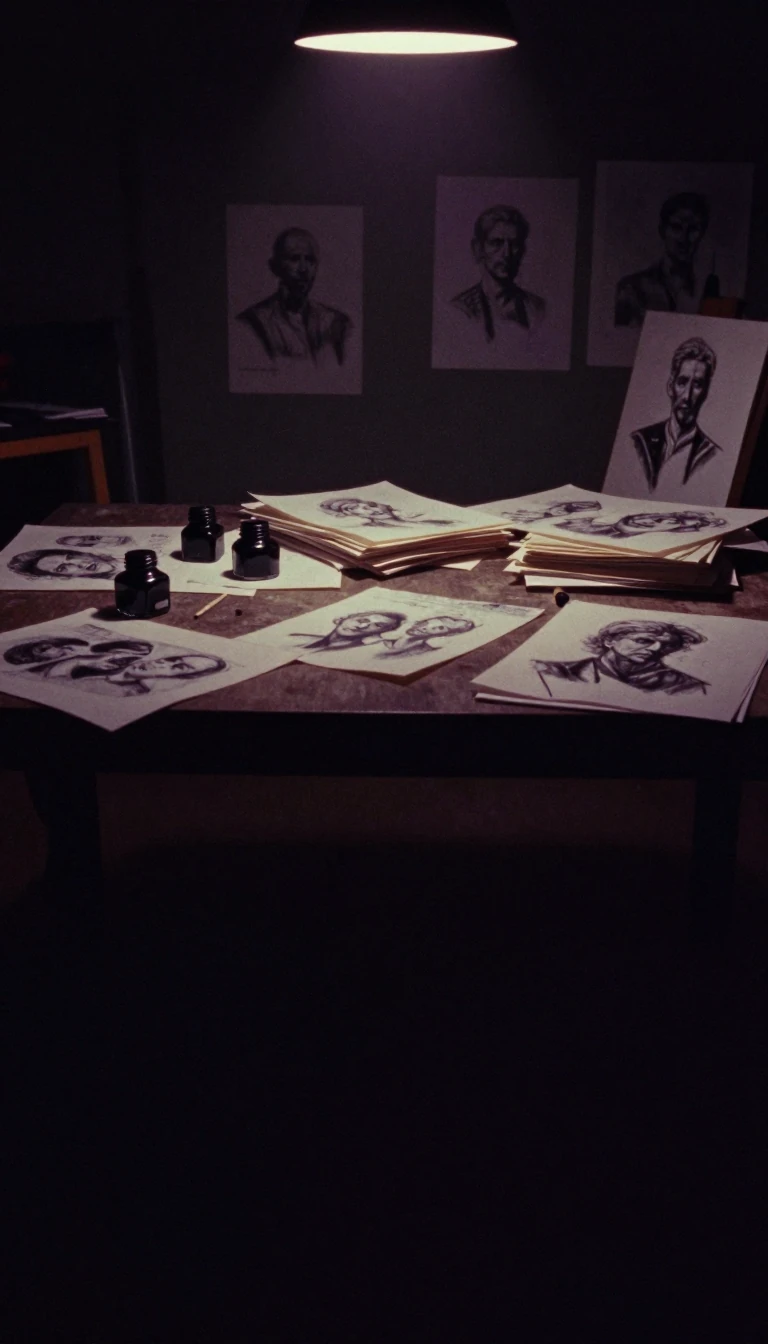
In short: Dmitri Prigov was a titan of the underground, a sculptor-turned-poet who navigated the absurdity of the Soviet era by turning everyday objects into canvases. From psychiatric detention to the global stage, his work challenged the boundaries between art, performance, and the state, leaving behind a staggering legacy of thousands of verses.
Born in Moscow in 1940, Dmitri Prigov was trained as a sculptor at the Stroganov Art Institute, a background that informed his multidisciplinary approach to creativity. As a central figure of the Moscow Conceptualists, he viewed performance as a vital artistic medium. His output was immense; by 2005, he had authored nearly 36,000 poems. These were often circulated through Samizdat—underground, self-published channels—during the Soviet era, as his work did not receive official recognition until the late 1980s.
Prigov’s career was marked by a tense relationship with Soviet authorities. In 1986, he was arrested by the K.G.B. for a street performance involving the distribution of poetic texts to passers-by, resulting in a forced stay at a psychiatric institution. His release followed significant protests from fellow poets, including Bella Akhmadulina. This period of suppression eventually gave way to public acclaim; he joined the Artists' Union in 1975 and the Writers' Union in 1991, later winning prestigious honors like the Pushkin Prize in 1993 and the Boris Pasternak Prize in 2002.
Beyond his sheer volume of work, Prigov was a philosopher of style. Alongside Mikhail Epstein, he pioneered the concept of 'new sincerity,' a response to the pervasive absurdity of late Soviet culture. He described this through a 'shimmering aesthetics,' where meaning emerges not from pure sincerity or mere stylistic quotation, but from the constant, shifting interaction between the two. His final, unrealized project—a performance involving being carried up 22 flights of stairs while reading poetry from inside a wardrobe—perfectly encapsulated his lifelong commitment to turning the mundane into the profound.
Since his death in 2007, Prigov’s influence has only grown, with major exhibitions at venues like the Venice Biennale. Whether writing verse on tin cans or creating complex video installations, he remained a restless experimenter, constantly testing the limits of what poetry could be in a world that often sought to silence it.
Opens the Intellect+ feed with this card first. Swipe up for the next one.
Sources
- Summary by Intellect · source: Dmitri Prigov
To cite this card, link to https://intellectplus.co.uk/app/ideas-dmitri-prigov.
How we source, check and correct cards: Editorial standards.
General information, not professional advice. Spotted an error? Flag the card or see corrections and complaints.
Intellect Plus is a visual educational discovery platform for exploring fascinating facts and ideas. Brain Food, Not Brain Rot. What is Intellect Plus?
Related
More in Writers · More in Ideas & Philosophy · Latest · A–Z · All topics
