How a bohemian pub crawl gave a central London district its enduring name
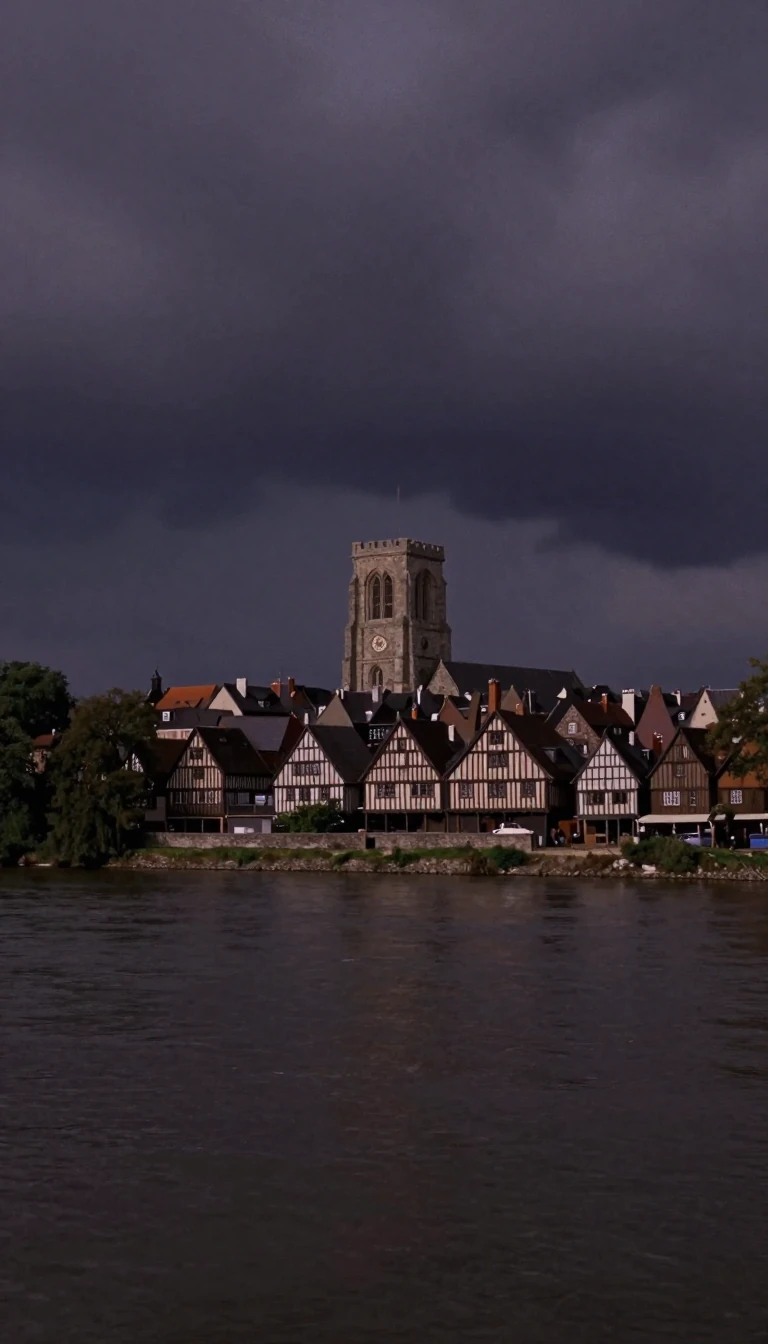
In short: Fitzrovia was never an official administrative unit, yet it became one of London’s most recognizable districts. Born from the 18th-century estate of the Dukes of Grafton, the area was christened in the late 1930s by an artistic circle seeking a cheaper, bohemian alternative to the city's glitzy West End.
The name Fitzrovia traces back to the Fitzroy Tavern and Fitzroy Square, both named for the descendants of Charles II and Barbara Villiers. The royal-bastard surname FitzRoy—meaning son of the king—was inherited by the Dukes of Grafton, who owned the manor of Tottenham Court. While the area has roots dating to an AD 1000 charter, the modern moniker emerged from a 1930s literary set that included figures like Dylan Thomas and Julian MacLaren-Ross. By the 1940s, the name was appearing in print, notably in Tom Driberg’s gossip column, though it largely faded after the avant-garde crowd moved on.
The name saw a revival in 1973 during the first Fitzrovia Festival. Local resident Eric Singer suggested the term to organizers who wanted to highlight the area's residential community amidst a landscape increasingly dominated by offices and commerce. This grassroots effort helped solidify the district's identity, which lacks formal boundaries but is generally understood to sit between Euston Road, Oxford Street, and the thoroughfares of Great Portland Street and Gower Street. Today, the area is a complex mix of high-end property, media HQs, and social housing, reflecting a history of both extreme wealth and significant deprivation.
Fitzrovia has long served as a creative hub, hosting writers like Virginia Woolf and George Bernard Shaw, and serving as a backdrop for novels by George Orwell and Ian McEwan. Its streets have seen everything from the formation of the band Coldplay to the debut of Bob Dylan. Despite its cultural prestige, the district remains a contested space where local residents have fought to preserve housing against the encroachment of commercial development, a struggle that continues to define its character as much as its famous pubs and galleries.
Opens the Intellect+ feed with this card first. Swipe up for the next one.
Sources
- Summary by Intellect · source: Fitzrovia
To cite this card, link to https://intellectplus.co.uk/app/ideas-fitzrovia.
How we source, check and correct cards: Editorial standards.
General information, not professional advice. Spotted an error? Flag the card or see corrections and complaints.
Intellect Plus is a visual educational discovery platform for exploring fascinating facts and ideas. Brain Food, Not Brain Rot. What is Intellect Plus?
Related
More in Writers · More in Ideas & Philosophy · Latest · A–Z · All topics
