A politician who failed at finance but shaped the literary landscape of his era.
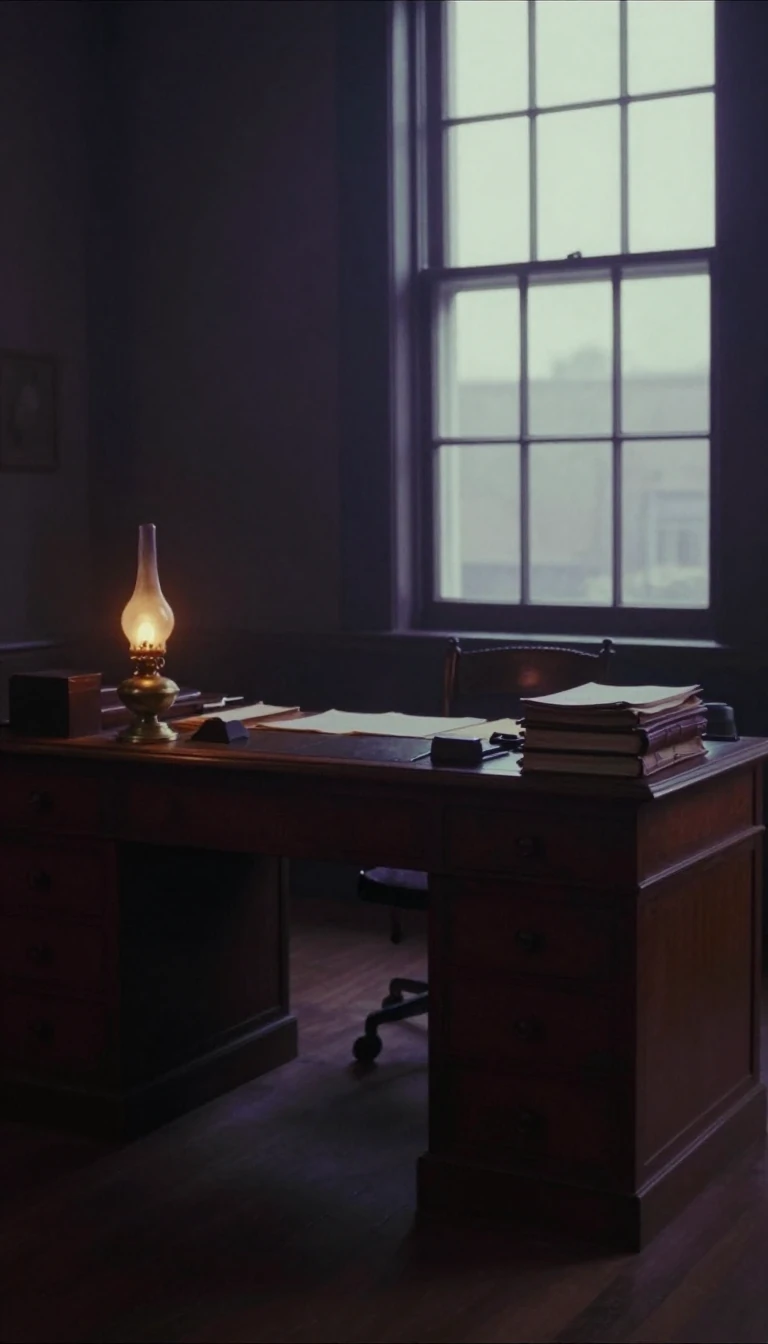
In short: George Lyttelton, 1st Baron Lyttelton, was a mediocre statesman who served as Chancellor of the Exchequer for only one year. Yet, his true legacy lies in his role as a generous patron of poets and a visionary architect of the 18th-century English garden, leaving behind a profound cultural footprint.
Born in 1709, George Lyttelton balanced a long career in Parliament with a prolific life as a writer and patron. Though he held high office, including a stint as Chancellor of the Exchequer starting in 1755, he was widely regarded as an ineffective politician. His contemporary, Lord Hervey, famously mocked his oratorical style, describing his speeches as monotonous strings of borrowed moral platitudes. Despite these political shortcomings, Lyttelton was a man of integrity and deep religious conviction, traits that earned him respect even from those who doubted his practical abilities.
Lyttelton’s influence was most potent in the literary circles of the 18th century. He championed figures like Alexander Pope and Henry Fielding, the latter of whom dedicated his masterpiece, Tom Jones, to him. Lyttelton’s own writing spanned poetry, history, and theology. His work, particularly his monody mourning his first wife, maintained a lasting reputation well into the 19th century, with figures like William Gladstone finding inspiration in the atmosphere of Lyttelton’s estate, Hagley Hall, as late as 1840. His prose works, such as his 1760 Dialogues of the Dead, utilized humor and irony to explore philosophical and political themes, often drawing on French models.
Beyond the page, Lyttelton transformed the physical landscape. He spent a fortune developing Hagley Hall, a Neo-Palladian house designed by Sanderson Miller, and its surrounding park. The grounds were filled with follies and monuments honoring poets like Milton and Thomson, reflecting his commitment to the arts. By creating these spaces, he contributed significantly to the development of 18th-century landscape design. Even after his death in 1773, his work continued to circulate, with his poems appearing in German translations and his theological observations reaching French audiences, cementing his status as a central, if complex, figure in the intellectual life of his time.
Opens the Intellect+ feed with this card first. Swipe up for the next one.
Sources
- Summary by Intellect · source: George Lyttelton, 1st Baron Lyttelton
To cite this card, link to https://intellectplus.co.uk/app/ideas-george-lyttelton-1st-baron-lyttelton.
How we source, check and correct cards: Editorial standards.
General information, not professional advice. Spotted an error? Flag the card or see corrections and complaints.
Intellect Plus is a visual educational discovery platform for exploring fascinating facts and ideas. Brain Food, Not Brain Rot. What is Intellect Plus?
Related
More in Writers · More in Ideas & Philosophy · Latest · A–Z · All topics
