Before Zeus and the Olympians, who were the gods that built the universe?
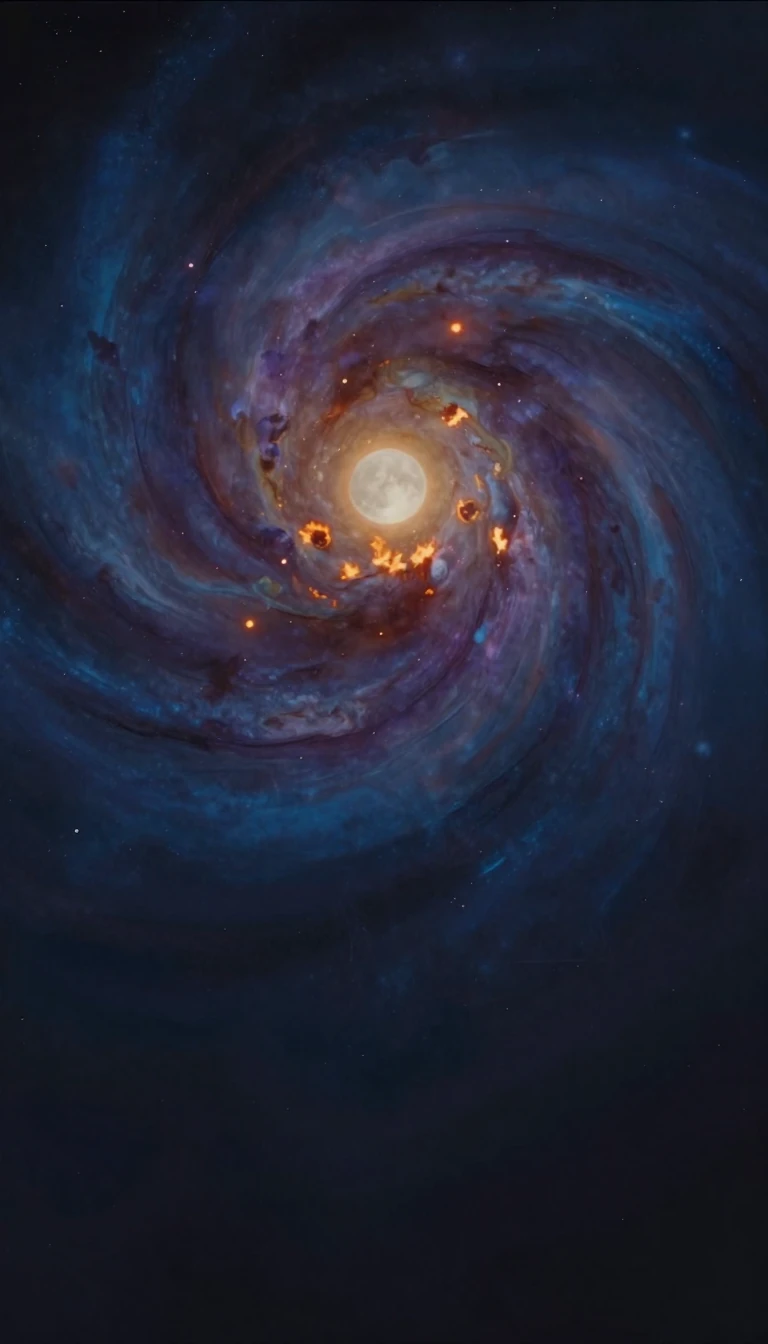
In short: Greek mythology did not begin with Zeus. Long before the familiar Olympians, primordial deities emerged as the fundamental forces of existence. These entities were not human-like figures but personifications of the void, the earth, and the abyss, setting the stage for the tumultuous rise of the gods we know today.
In Hesiod’s Theogony, composed around 700 BC, the universe begins with the spontaneous generation of four primordial beings: Chaos, Gaia, Tartarus, and Eros. Unlike the later Olympians, these figures were generally not worshipped as human-like deities. Instead, they functioned as abstract concepts or physical foundations. Chaos, often interpreted as an endless void or a principle of differentiation, stands as the first thinkable being, while Gaia serves as the ever-sure foundation of the Earth.
The relationships between these primordials reveal a complex cosmic architecture. Mitchell Miller suggests that these early deities exist in binary opposition: Chaos, the force of division, contrasts with Eros, the force of unification. Similarly, Gaia represents light, life, and waking, while Tartarus—a deep, misty abyss—embodies darkness, sleep, and death. From these origins, the lineage of the gods unfolds through generations of conflict, moving from the primordials to the Titans, and finally to the reign of Zeus.
The Greeks held diverse views on these origins. While Hesiod is considered the standard source, other traditions offered competing cosmogonies. Homer’s Iliad suggests Oceanus as the parent of all deities, while the philosopher Pherecydes of Syros proposed Zas, Cthonie, and Chronos as the three eternal principles. Later thinkers like Empedocles moved toward elemental theories, positing that Love and Strife wove the universe from fire, air, water, and earth. These varying accounts highlight that the primordial gods were not a static dogma but a shifting framework used by ancient thinkers to conceptualize the nature of the cosmos.
Ultimately, the primordial deities provide essential context for the Olympic pantheon. Scholars like Vernant argue that the Olympians represent a system of classification for ordering the universe, but this order was built upon a more chaotic, tumultuous past. By studying these first beings, we gain insight into how the Greeks perceived the transition from the undifferentiated void to the structured, hierarchical world governed by Zeus.
Opens the Intellect+ feed with this card first. Swipe up for the next one.
Sources
- Summary by Intellect · source: Greek primordial deities
To cite this card, link to https://intellectplus.co.uk/app/ideas-greek-primordial-deities.
How we source, check and correct cards: Editorial standards.
General information, not professional advice. Spotted an error? Flag the card or see corrections and complaints.
Intellect Plus is a visual educational discovery platform for exploring fascinating facts and ideas. Brain Food, Not Brain Rot. What is Intellect Plus?
Related
More in Greek mythology · More in Ideas & Philosophy · Latest · A–Z · All topics
