Is Hagar a forgotten slave or a royal matriarch of three world faiths?
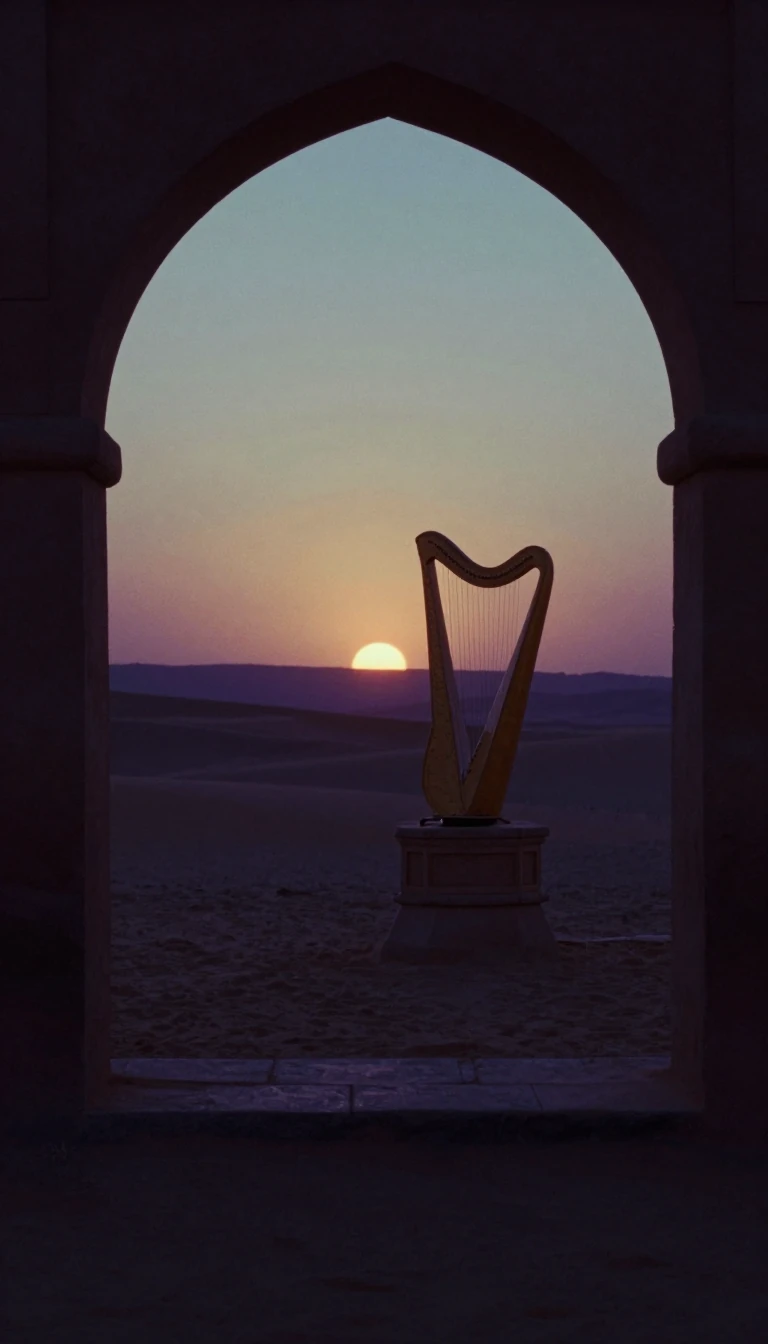
In short: Hagar is a figure of immense contradiction. To some, she is a mistreated bondswoman fleeing a jealous mistress; to others, she is an Egyptian princess and a revered matriarch of monotheism. Her story, spanning millennia, continues to shape theological debates, feminist literature, and modern political identities across the globe.
In the biblical narrative, Hagar is an Egyptian slave to Sarai, the wife of Abram. When Sarai, believing herself barren, offers Hagar to her husband to fulfill a divine promise of descendants, Hagar conceives. This triggers intense domestic conflict, leading Hagar to flee into the desert. There, an angel encounters her, promising that her offspring, Ishmael, will multiply into an uncountable nation. Despite her return, the birth of Isaac eventually forces Hagar and Ishmael into exile in the wilderness of Beersheba, where they are saved by divine intervention.
Islamic tradition offers a distinct perspective, often portraying Hagar—known as Hājar—not as a slave, but as a noble figure. In this account, God commands Ibrāhīm to settle her and their son in the desert of Paran, later identified as Mecca. Her desperate search for water for the infant Ishmael, running seven times between the hills of Al-Safa and Al-Marwah, is commemorated today by millions of Muslims during the Hajj pilgrimage. The miraculous Zamzam Well, which sprang from the ground to save them, remains a central symbol of her faith and courage.
The interpretation of Hagar has evolved significantly over time. Medieval theologians like Augustine of Hippo used her as an allegory for the 'earthly city' of sin, while modern scholars and writers have reclaimed her as a symbol of resilience. From 19th-century American sculptors like Edmonia Lewis to contemporary feminist thinkers, Hagar is frequently invoked to explore themes of exploitation, motherhood, and survival. Even today, the name itself carries political weight, sometimes serving as a controversial signal of support for reconciliation in the Middle East.
Whether viewed through the lens of Jewish midrash—which sometimes identifies her as Pharaoh's daughter—or as a prototype for the oppressed, Hagar remains a powerful, contested figure. Her legacy persists in literature, from the works of Toni Morrison and Octavia Butler to modern theological inquiries, proving that her ancient story remains a vital touchstone for understanding power, identity, and the complexities of human faith.
Opens the Intellect+ feed with this card first. Swipe up for the next one.
Sources
- Summary by Intellect · source: Hagar
To cite this card, link to https://intellectplus.co.uk/app/ideas-hagar.
How we source, check and correct cards: Editorial standards.
General information, not professional advice. Spotted an error? Flag the card or see corrections and complaints.
Intellect Plus is a visual educational discovery platform for exploring fascinating facts and ideas. Brain Food, Not Brain Rot. What is Intellect Plus?
Related
More in Mythology · More in Ideas & Philosophy · Latest · A–Z · All topics
