The 12th-century nun who compiled a visual encyclopedia of all known human knowledge
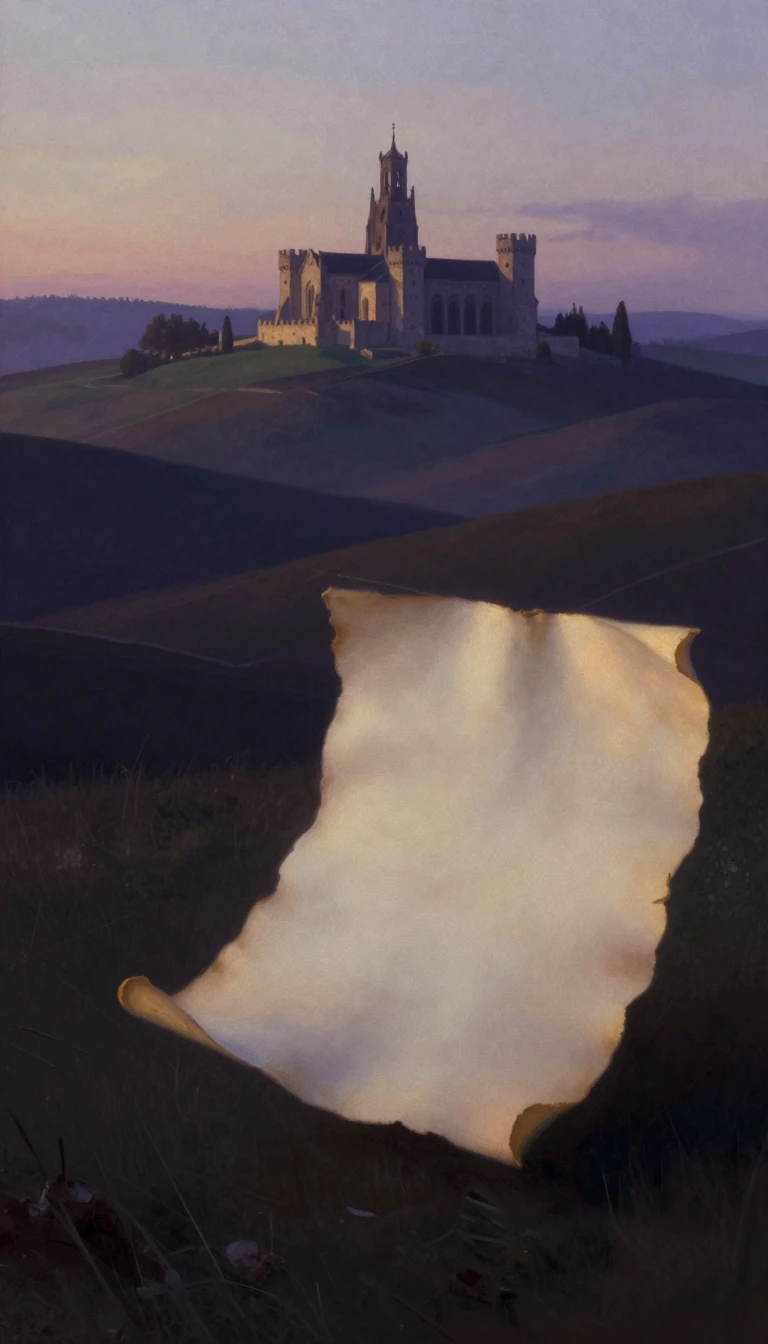
In short: Herrad of Landsberg, a powerful Alsatian abbess, spent decades crafting the Hortus deliciarum. This massive, illustrated manuscript served as a comprehensive guide for her nuns, blending theology, science, and moral philosophy. Though the original was destroyed in war, her vision remains a testament to medieval intellectual ambition and artistic innovation.
Born around 1130 into a noble family, Herrad entered the Hohenburg Abbey in the Vosges mountains as a young girl. Under the guidance of Abbess Relinda and the patronage of Holy Roman Emperor Frederick Barbarossa, the abbey became a center of reform and elite education. By 1167, Herrad was elected abbess, a role she held for 28 years until her death in 1195. During her tenure, she focused on rebuilding the monastery and consolidating its lands, all while managing the spiritual and intellectual development of her community.
The Hortus deliciarum, or Garden of Delights, was Herrad’s magnum opus. Begun in 1159 and completed in 1185, it was designed as a pedagogical tool for the women in her convent. The manuscript was vast, spanning 648 pages across 324 parchment sheets. It functioned as a compendium of the sciences of the era, written primarily in Latin but supplemented with approximately 1,250 German glosses. Herrad was the primary compiler, editor, and author, contributing numerous original poems and hymns to the collection.
The work’s most striking feature is its 336 illustrations, which display an artistic imagination rarely seen among her contemporaries. These images range from symbolic theological representations to historical scenes and even portraits of her fellow nuns. While the original manuscript was tragically lost during the 1870 Siege of Strasbourg, the legacy of the Hortus deliciarum survived through 19th-century copies. Scholars like Christian Moritz Engelhardt, Straub, and Keller meticulously reproduced the text and miniatures, allowing modern historians to appreciate the depth of Herrad’s intellectual and artistic contribution to the 12th century.
Opens the Intellect+ feed with this card first. Swipe up for the next one.
Sources
- Summary by Intellect · source: Herrad of Landsberg
To cite this card, link to https://intellectplus.co.uk/app/ideas-herrad-of-landsberg.
How we source, check and correct cards: Editorial standards.
General information, not professional advice. Spotted an error? Flag the card or see corrections and complaints.
Intellect Plus is a visual educational discovery platform for exploring fascinating facts and ideas. Brain Food, Not Brain Rot. What is Intellect Plus?
Related
More in Writers · More in Ideas & Philosophy · Latest · A–Z · All topics
