Why the Evening Star and Morning Star are the same celestial entity
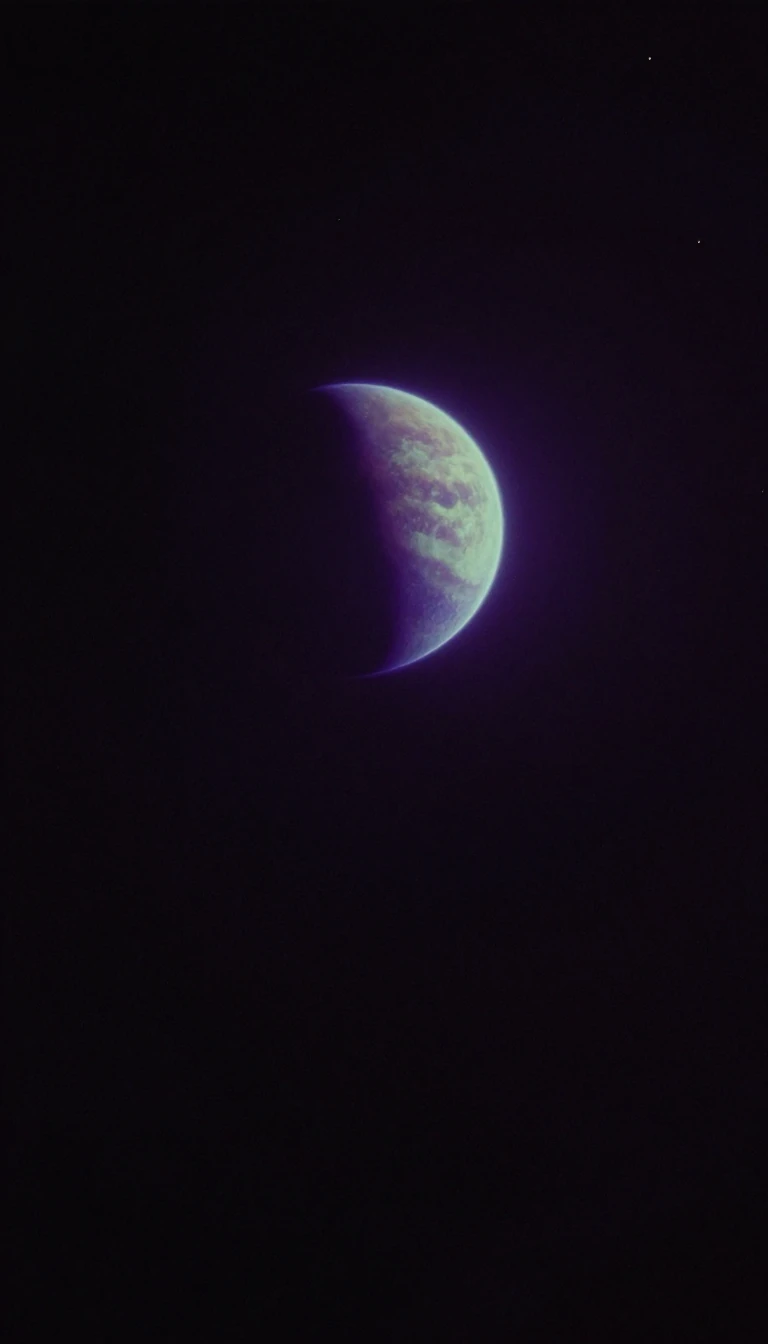
In short: In Greek mythology, Hesperus is the Evening Star, while Phosphorus is the Morning Star. Though they were long treated as distinct figures, they are both personifications of the planet Venus. This identity has become a cornerstone in the philosophy of language for exploring how names refer to the same object.
Hesperus, the personification of the evening star, occupies a shifting place in Greek mythology. While early accounts often identified him as the son of the dawn goddess Eos and the Titan Astraeus, other traditions link him to Atlas or the mortal Cephalus. His Roman equivalent is Vesper, a name tied to the concepts of evening and the west.
The confusion between Hesperus and his brother Phosphorus—the morning star—is rooted in the fact that both are manifestations of the planet Venus. This astronomical reality led to the conflation of their names, with Phosphorus also known as Eosphorus or, in Latin, Lucifer. In the Greek Septuagint and Jerome's Latin Vulgate, these terms were used to translate the Hebrew 'Helel', describing Venus as the brilliant or shining one.
Beyond myth, the identity of Hesperus and Phosphorus became a famous case study in the philosophy of language. Gottlob Frege used the distinction between the 'evening star' and 'morning star' to illustrate his theory of sense and reference. Later, Saul Kripke utilized the sentence 'Hesperus is Phosphorus' to argue that discovering such an identity can be an empirical process rather than something knowable purely through reason or a priori thought.
The cultural reach of this figure extends from ancient commentaries by Maurus Servius Honoratus, who placed Hesperus on Mount Oeta, to literature like Henry Wadsworth Longfellow's poem 'The Wreck of the Hesperus'. Whether viewed as a divine son of the dawn or a subject of logical inquiry, the figure of Hesperus remains a bridge between the ancient heavens and modern analytical philosophy.
Opens the Intellect+ feed with this card first. Swipe up for the next one.
Sources
- Summary by Intellect · source: Hesperus | Son of Aphrodite, God of Evening, Evening Star | Britannica
- Also: Hesperus
To cite this card, link to https://intellectplus.co.uk/app/ideas-hesperus.
How we source, check and correct cards: Editorial standards.
General information, not professional advice. Spotted an error? Flag the card or see corrections and complaints.
Intellect Plus is a visual educational discovery platform for exploring fascinating facts and ideas. Brain Food, Not Brain Rot. What is Intellect Plus?
Related
More in Greek mythology · More in Ideas & Philosophy · Latest · A–Z · All topics
