How a shepherd boy and a banking boom ignited the Italian Renaissance in painting
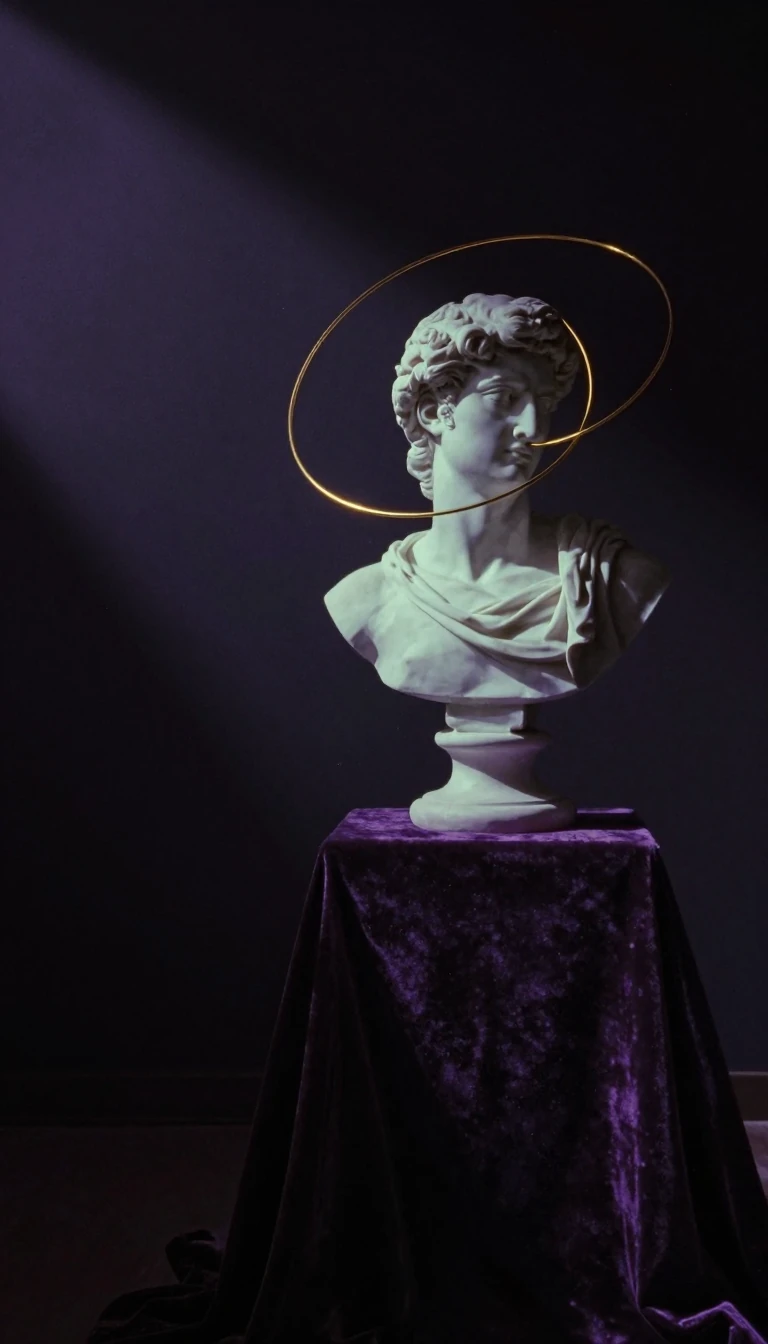
In short: The Italian Renaissance was not merely a shift in style but a radical departure from medieval tradition. By blending rediscovered Classical knowledge with newfound mathematical precision, artists like Giotto and Masaccio transformed painting from flat, symbolic icons into windows of human emotion, three-dimensional depth, and naturalistic light.
The Renaissance, spanning roughly from the early 15th to the late 16th centuries, emerged from a unique convergence of wealth, intellectual curiosity, and technological change. While the movement flourished across the Italian Peninsula, Florence served as its epicenter. The rise of the Medici Bank provided the financial foundation for unprecedented artistic patronage, allowing artists to move beyond purely religious commissions. This environment supported geniuses like Leonardo da Vinci and Michelangelo, who were encouraged to explore anatomy, light, and perspective with scientific rigor.
The intellectual shift was fueled by the recovery of lost Classical texts, which encouraged a Humanist philosophy that prioritized the human experience alongside theological concerns. This was bolstered by the arrival of advanced mathematics from Byzantine and Islamic scholars, which enabled the development of linear perspective. Artists began to treat the canvas as a space governed by geometric laws, moving away from the rigid, icon-based traditions of the Italo-Byzantine style that had dominated the 13th century.
Giotto is widely regarded as the herald of this transformation. By observing life rather than relying on established painterly conventions, he gave his figures weight, structure, and distinct human emotions—joy, rage, and despair. Later, Masaccio pushed these innovations further in the 1420s, utilizing a single vanishing point and dramatic light to create a sense of three-dimensional reality. These practices were refined over the following century, as painters like Piero della Francesca calculated the proportional dissemination of light with mathematical certainty, forever altering the trajectory of Western art.
Opens the Intellect+ feed with this card first. Swipe up for the next one.
Sources
- Summary by Intellect · source: Italian Renaissance painting
To cite this card, link to https://intellectplus.co.uk/app/ideas-italian-renaissance-painting.
How we source, check and correct cards: Editorial standards.
General information, not professional advice. Spotted an error? Flag the card or see corrections and complaints.
Intellect Plus is a visual educational discovery platform for exploring fascinating facts and ideas. Brain Food, Not Brain Rot. What is Intellect Plus?
Related
More in Writers · More in Ideas & Philosophy · Latest · A–Z · All topics
