The man who tried to build a 'Third Europe' between giants
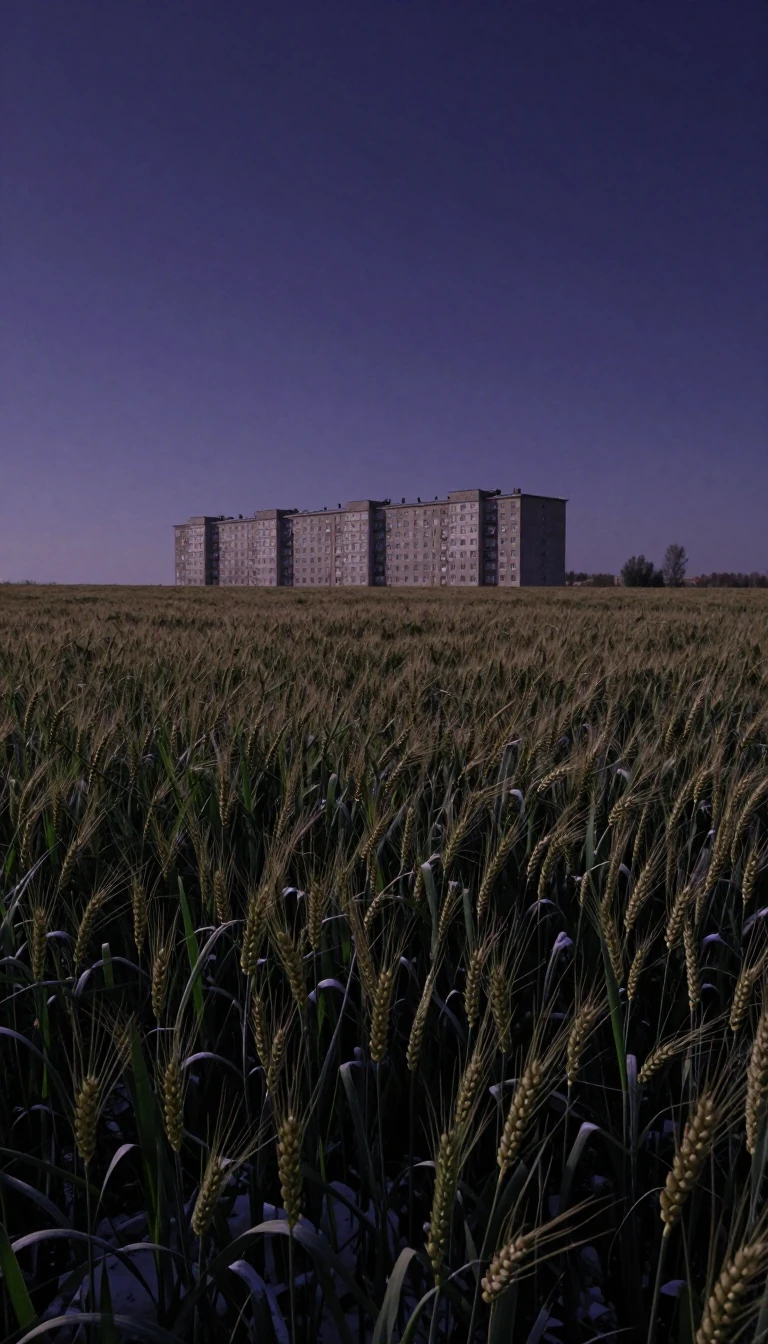
In short: Caught between Nazi Germany and the Soviet Union, Poland's Józef Beck faced a geopolitical nightmare. He sought to create a regional bloc to deter both dictators, but his vision of a 'Third Europe' was undermined by a lack of allies and a nation with a thin industrial base.
Józef Beck served as Poland's Foreign Minister during the 1930s, a period defined by the existential threat of two hostile powers. To counter this, Beck pursued a high-stakes balancing act. He signed non-aggression pacts with both the Soviet Union (1932) and Germany (1934). His ultimate goal was the 'Międzymorze'—a federation stretching from the Baltic to the Black Sea—but recognizing its impossibility, he pivoted to a 'Third Europe' bloc including Poland, Italy, Yugoslavia, Hungary, and Romania.
The strategy faltered due to regional friction. Italy and Hungary preferred aligning with Germany over Poland, and disputes over Transylvania and the partition of Yugoslavia blocked a unified front. Furthermore, Beck faced significant international isolation; historians note that by 1938, Poland was viewed by Western powers as a 'greedy revisionist power' and Beck himself was often dismissed as arrogant or treacherous. Despite this, Beck remained a staunch defender of Polish sovereignty, famously declaring in 1939 that while peace is desirable, honor is the only thing without price.
Beck's final years were marked by desperate diplomacy. He refused Hitler's demands to turn Poland into a puppet state or cede the Polish Corridor, which would have severed the nation's access to the sea. However, his reliance on a 'fine balance' was shattered in 1939. When Britain and France offered limited guarantees, the German-Soviet Molotov-Ribbentrop Pact secured the very alliance Beck had tried to prevent. Following the dual invasion in September 1939, Beck was interned in Romania, where he spent his final months writing his memoirs.
Beck's legacy is complex: he was a man who tried to navigate a 'dictatorship without a dictator' through sophisticated, if ultimately unfeasible, diplomatic architectures. He died of tuberculosis in 1944, a statesman who sought to carve out a middle ground in a world rapidly polarizing into extremes.
Opens the Intellect+ feed with this card first. Swipe up for the next one.
Sources
- Summary by Intellect · source: Józef Beck
To cite this card, link to https://intellectplus.co.uk/app/ideas-j-zef-beck.
How we source, check and correct cards: Editorial standards.
General information, not professional advice. Spotted an error? Flag the card or see corrections and complaints.
Intellect Plus is a visual educational discovery platform for exploring fascinating facts and ideas. Brain Food, Not Brain Rot. What is Intellect Plus?
Related
More in Historians · More in Ideas & Philosophy · Latest · A–Z · All topics
