From priestly robes to tombstone carvings, Jewish symbolism weaves meaning into the material world.
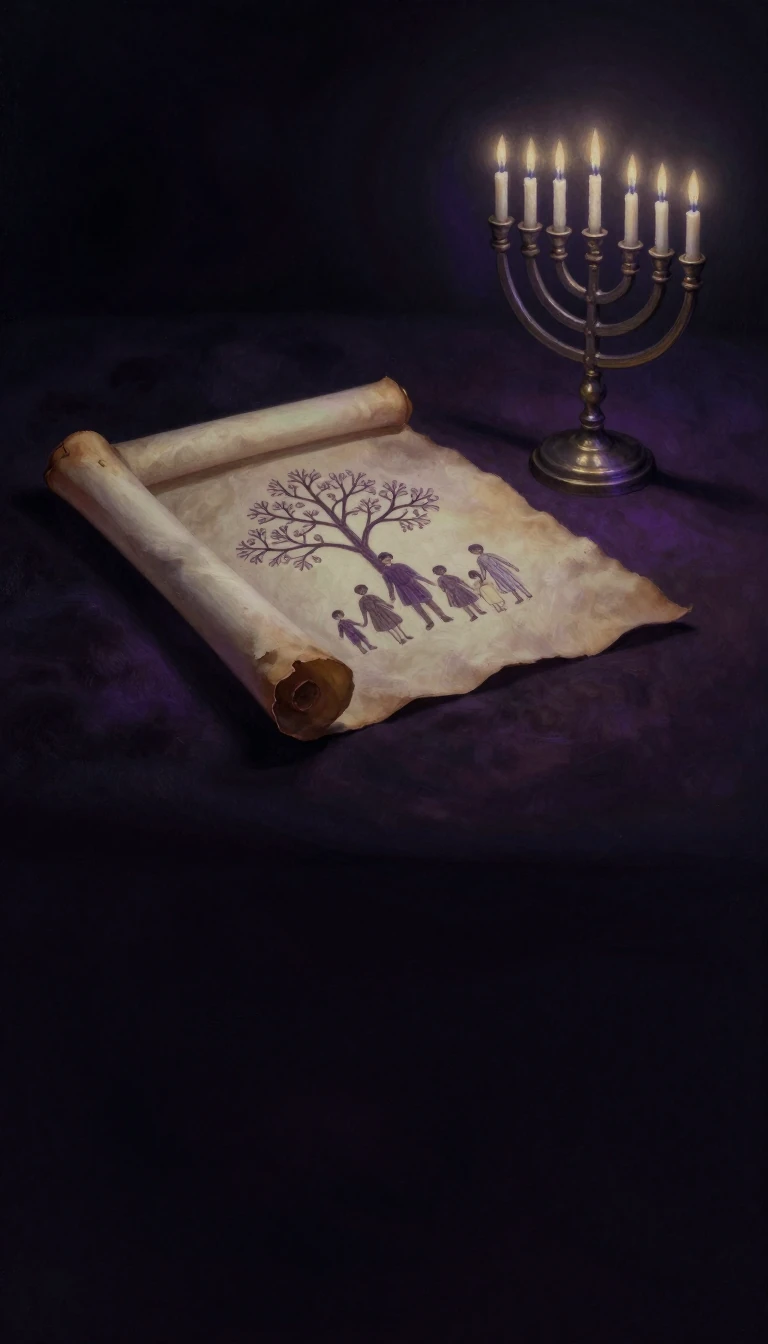
In short: In Jewish tradition, symbols are more than mere representations; they are active signs connecting the human to the divine. From the intricate garments of ancient priests to the specific imagery carved onto gravestones, these tokens serve as mnemonics, moral reminders, and profound expressions of identity, history, and covenantal faith.
The Hebrew term for symbol, 'ot', signifies a visible token of the relationship between God and humanity. In the Tanakh, the Sabbath is described as such a sign. This symbolic language extends deeply into the ritual life of the Temple, where the garments of the Kohen Gadol were interpreted by scholars like Philo and Josephus as cosmic maps. Philo, for instance, viewed the priest's miter as a crown signifying authority above earthly kings, while the Jerusalem Talmud and Midrash assigned each garment the power to provide atonement for specific transgressions, such as pride or slander.
Beyond ritual attire, numbers and materials carry intrinsic weight. Numbers like 7, 10, 12, and 40 recur in symbolic contexts, while gematria—a system of numerical ciphers—invests words with deeper meaning. For example, the word 'chai', meaning life, equals 18, leading to the tradition of gifting multiples of that number. Materials also speak: salt represents the eternal nature of the covenant and the necessity of Torah, while white linen symbolizes moral purity. Conversely, colors like blue (tekhelet) evoke the heavens and divine revelation, a connection that eventually influenced the design of the modern Israeli flag.
Symbolism also serves as a bridge between the personal and the collective. On tombstones, iconography identifies the deceased's lineage or name, such as a lion for those named Loeb or a jug for Levites. Similarly, wimpels—Torah binders used during a child's Brit Milah—are embroidered with symbols like the tree of life or a marriage canopy to express hopes for the child's future. Whether through the agricultural cycles of pilgrimage festivals or the prophetic actions of figures like Jeremiah and Ezekiel, Jewish symbolism remains a dynamic language that translates abstract theological concepts into tangible, lived experience.
Opens the Intellect+ feed with this card first. Swipe up for the next one.
Sources
- Summary by Intellect · source: Jewish symbolism
To cite this card, link to https://intellectplus.co.uk/app/ideas-jewish-symbolism.
How we source, check and correct cards: Editorial standards.
General information, not professional advice. Spotted an error? Flag the card or see corrections and complaints.
Intellect Plus is a visual educational discovery platform for exploring fascinating facts and ideas. Brain Food, Not Brain Rot. What is Intellect Plus?
Related
More in Abrahamic religions · More in Ideas & Philosophy · Latest · A–Z · All topics
